ROMAN HERITAGE PRESS RESOURCES
THE SUPERNATURAL BIBLE LIBRARY
Research-based articles and podcast exploring Scripture’s most difficult and overlooked passages through biblical theology, ancient context, and careful textual study.
Discover the connections between the divine council, the sons of God, the Watchers, the Nephilim, the gods of the nations, and the victory of Jesus Christ over the powers of darkness.
LATEST RESEARCH
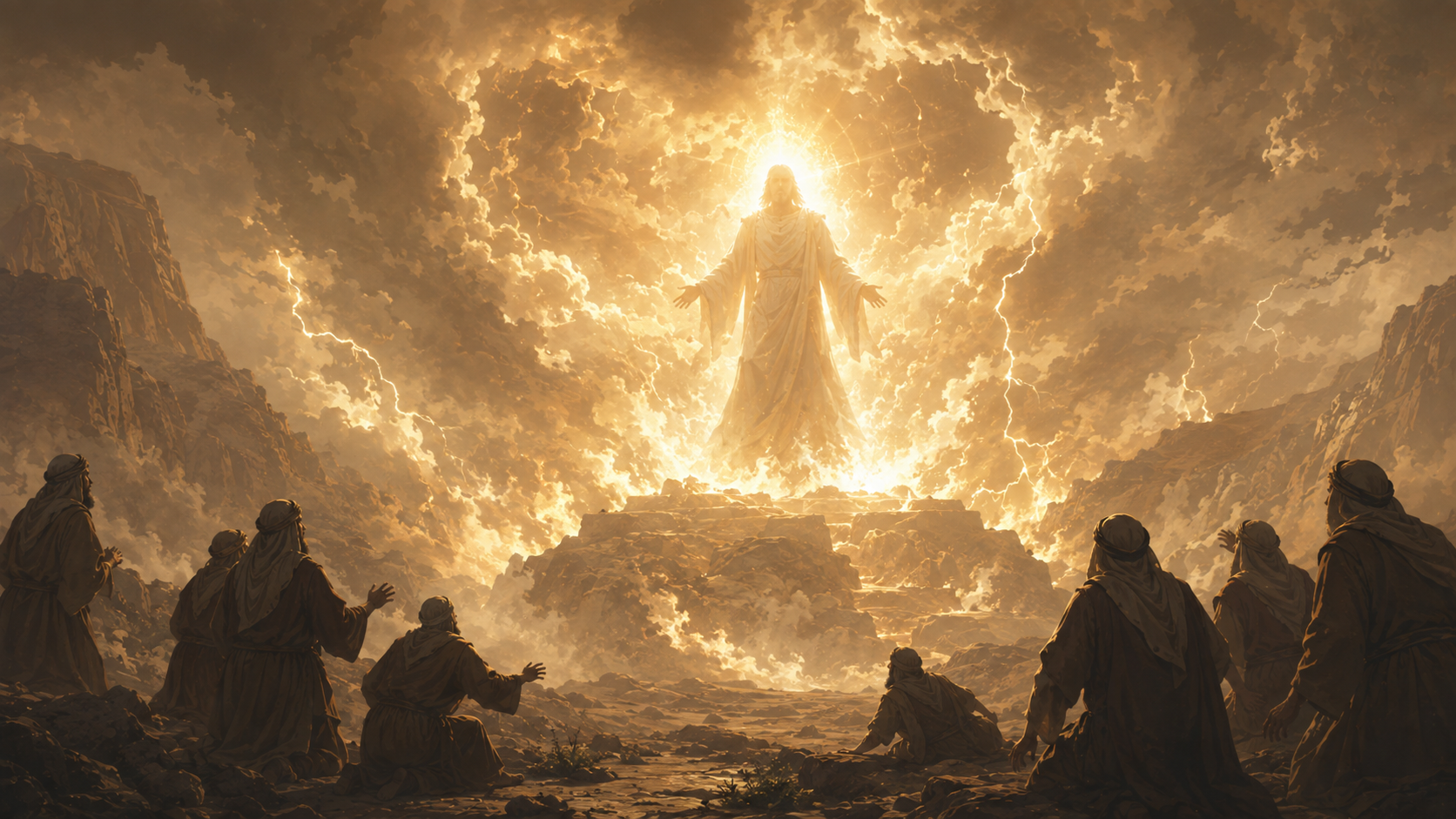
What Is a Theophany? How God Appears in Visible Form in the Bible
Fire, cloud, a mysterious Messenger, a human figure, and overwhelming glory—Scripture repeatedly portrays God making Himself visible. The theological term for these appearances is theophany.
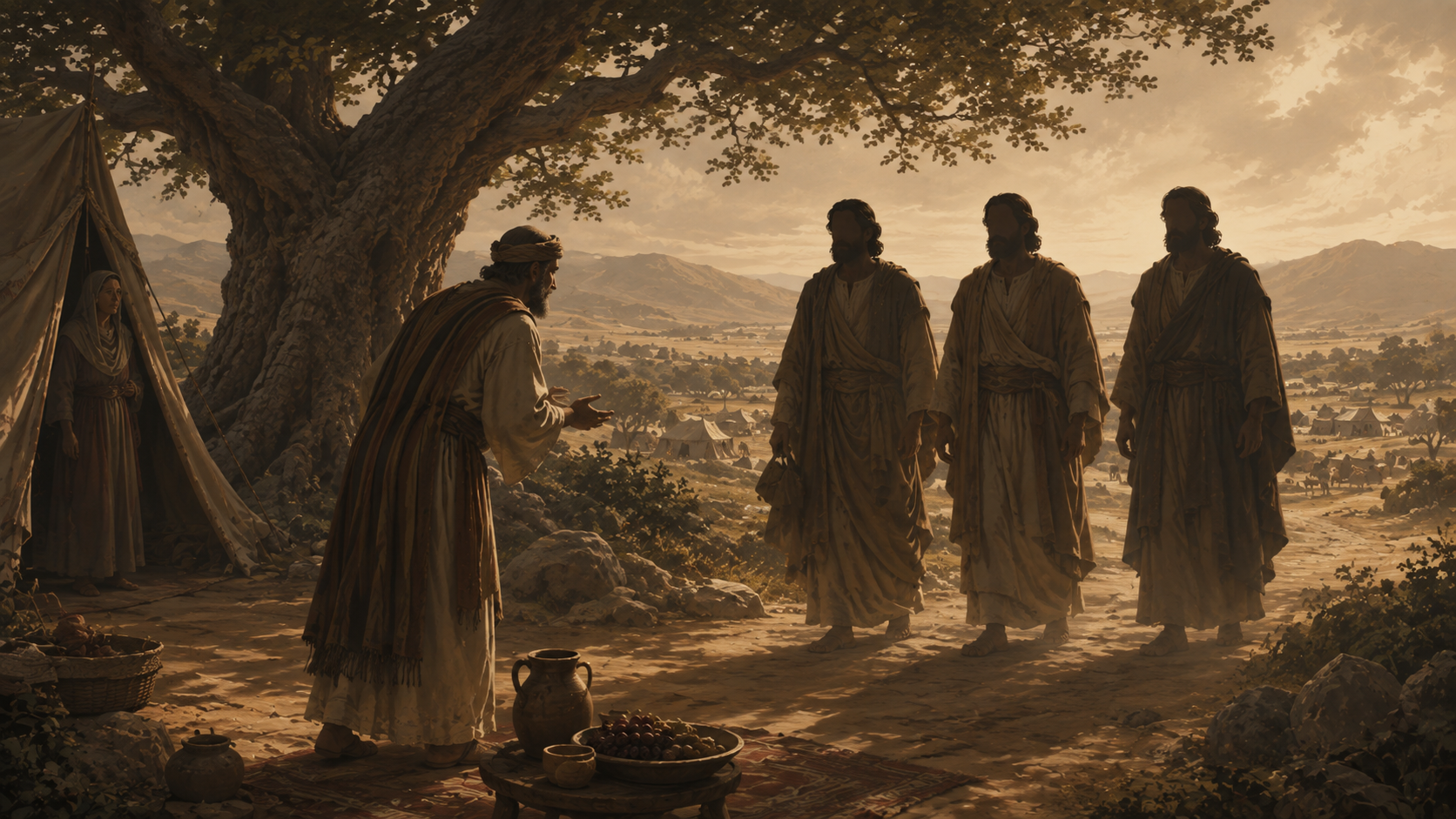
Who Were the Three Visitors Who Came to Abraham in Genesis 18?
Genesis 18 says the LORD appeared to Abraham, yet Abraham saw three men. Two later appear in Sodom as angels. The identity of the third visitor is written into the narrative itself.
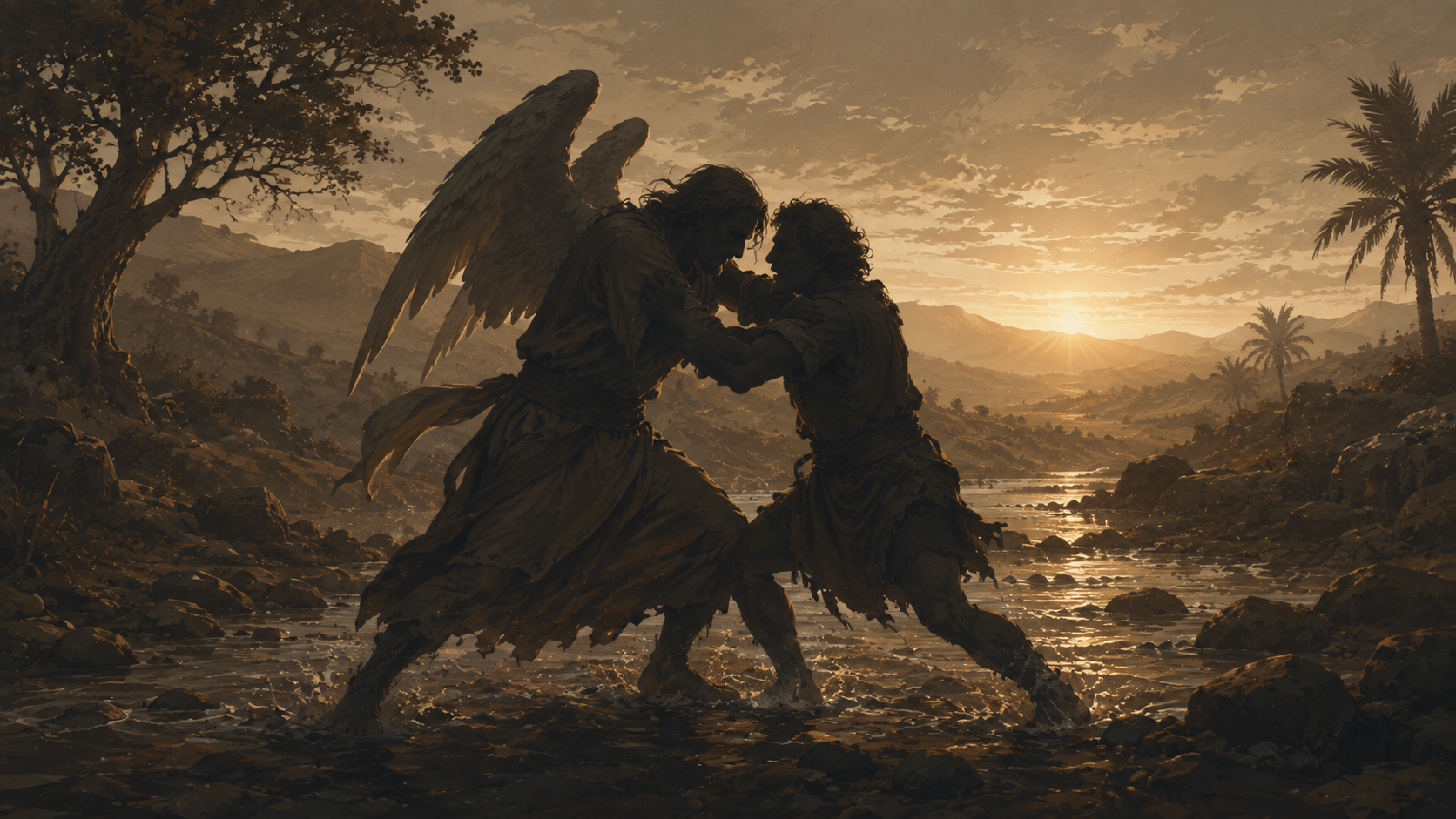
Who Did Jacob Wrestle With—God, an Angel, or a Man?
Genesis says Jacob wrestled with a man. Hosea says he struggled with the Angel. Jacob says he saw God face to face. How do these descriptions fit together?
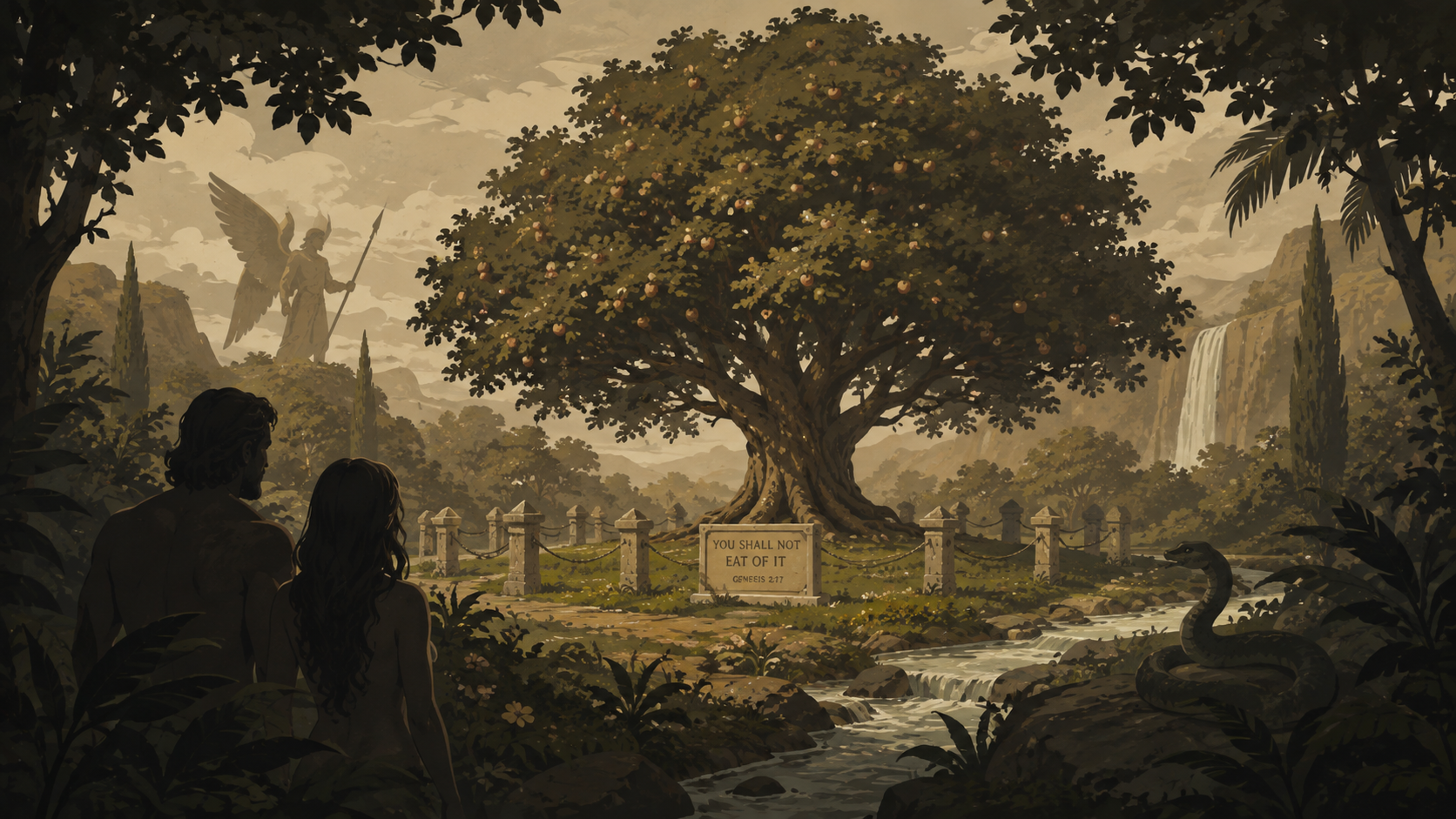
What Is the Tree of the Knowledge of Good and Evil? Why Did God Put It in Eden?
Why would God place a forbidden tree in Eden? Genesis does not describe magical fruit or an evil plant. The deeper issue is wisdom, allegiance, sacred boundaries, and humanity’s attempt to define good and evil apart from God.
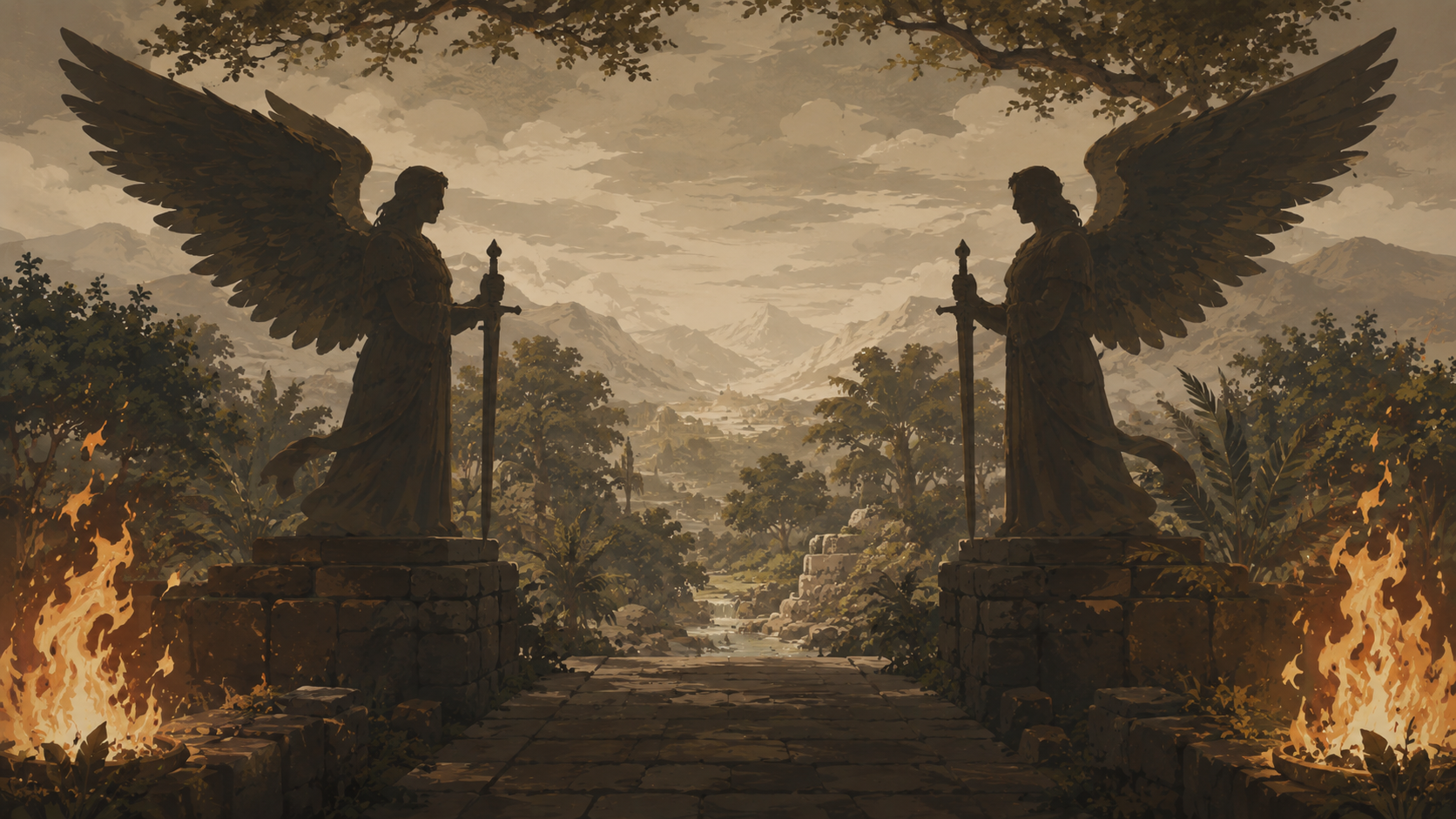
What Are Cherubim in the Bible? Eden, God’s Throne, and Guarded Sacred Space
Biblical cherubim are not decorative infants. They guard Eden, overshadow the Ark, mark the sanctuary boundary, and appear in Ezekiel’s throne visions. Their repeated role reveals the Bible’s theology of sacred space.
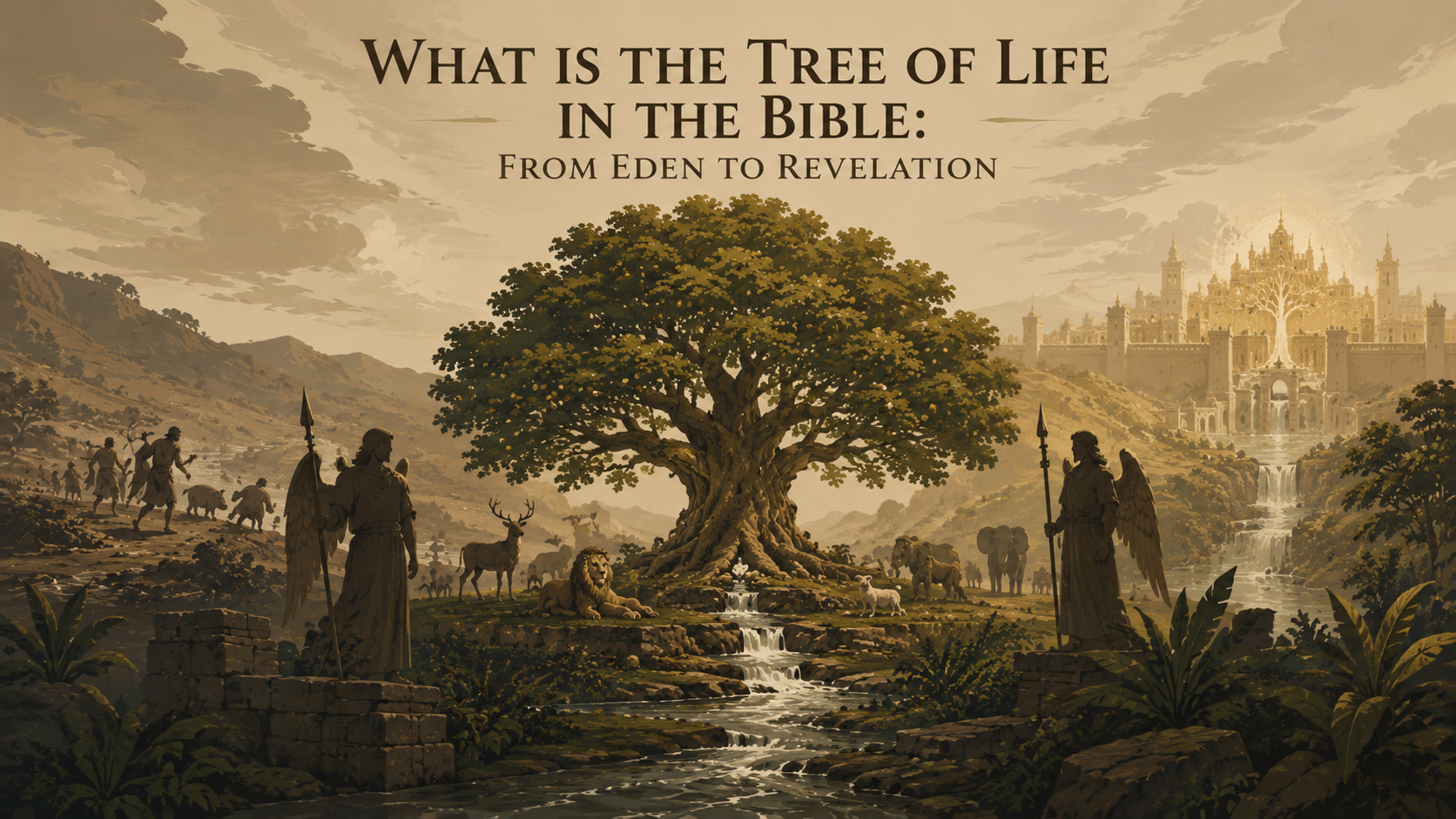
What Is the Tree of Life in the Bible? From Eden to Revelation
Why was access to the Tree of Life guarded after Eden, and why does the same tree return in Revelation? Follow the biblical pattern from sacred access and exile to restoration in the renewed creation.
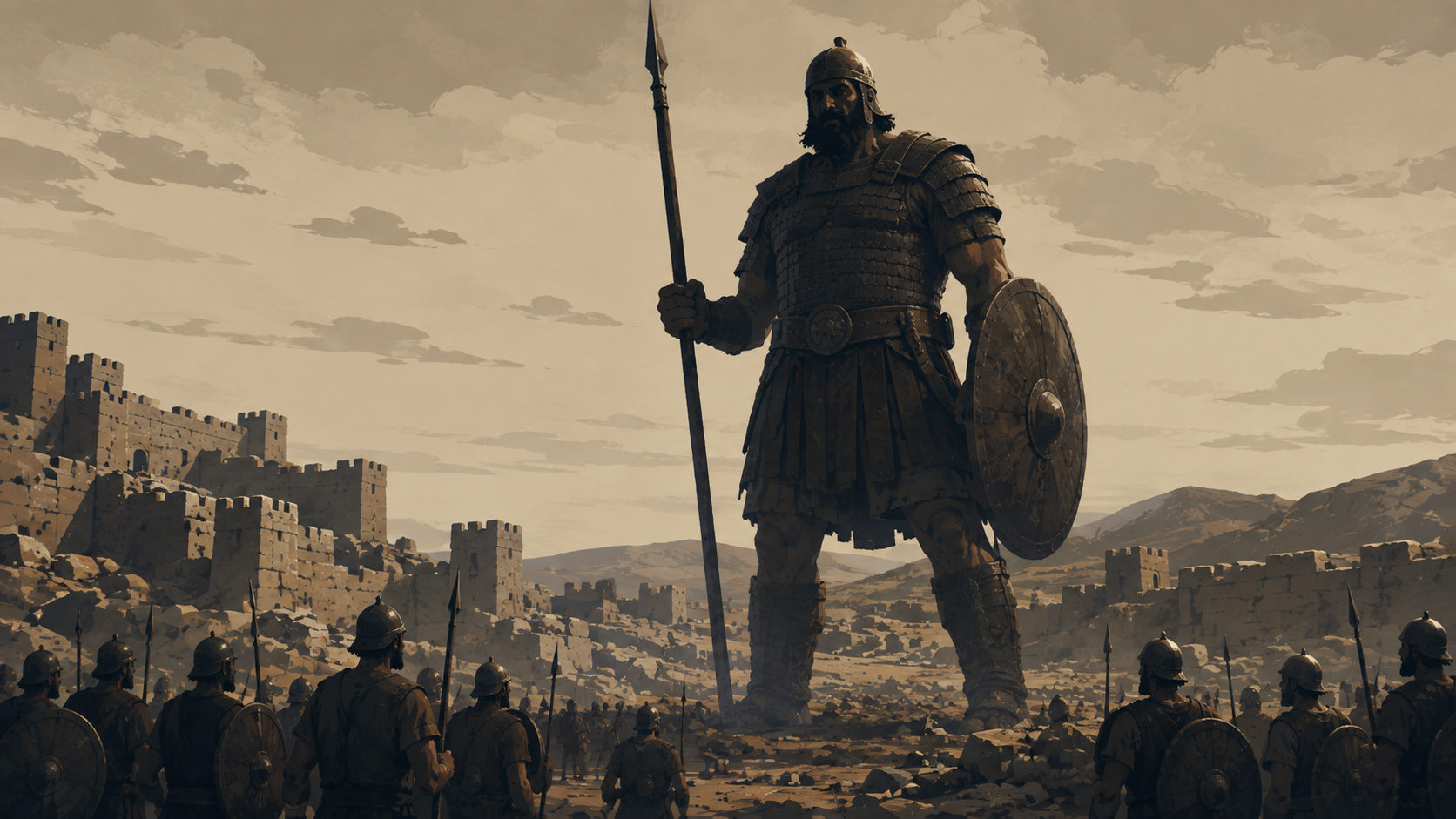
Was Goliath a Nephilim? What Gath, the Anakim, and the Rephaim Reveal
Was Goliath one of the Nephilim? The Bible never places the word Nephilim beside his name, but it deliberately traces Goliath through Gath, the surviving Anakim, the Rephaim tradition, and the giant warriors descended from Rapha.
Why Does Jude Quote the Book of Enoch?
Jude does something that surprises many readers: he quotes a prophecy preserved in 1 Enoch almost word for word. The reason becomes clearer when Jude 14-15 is read beside Jude 6, Genesis 6, the Watcher judgment tradition, and Peter's use of Tartarus.
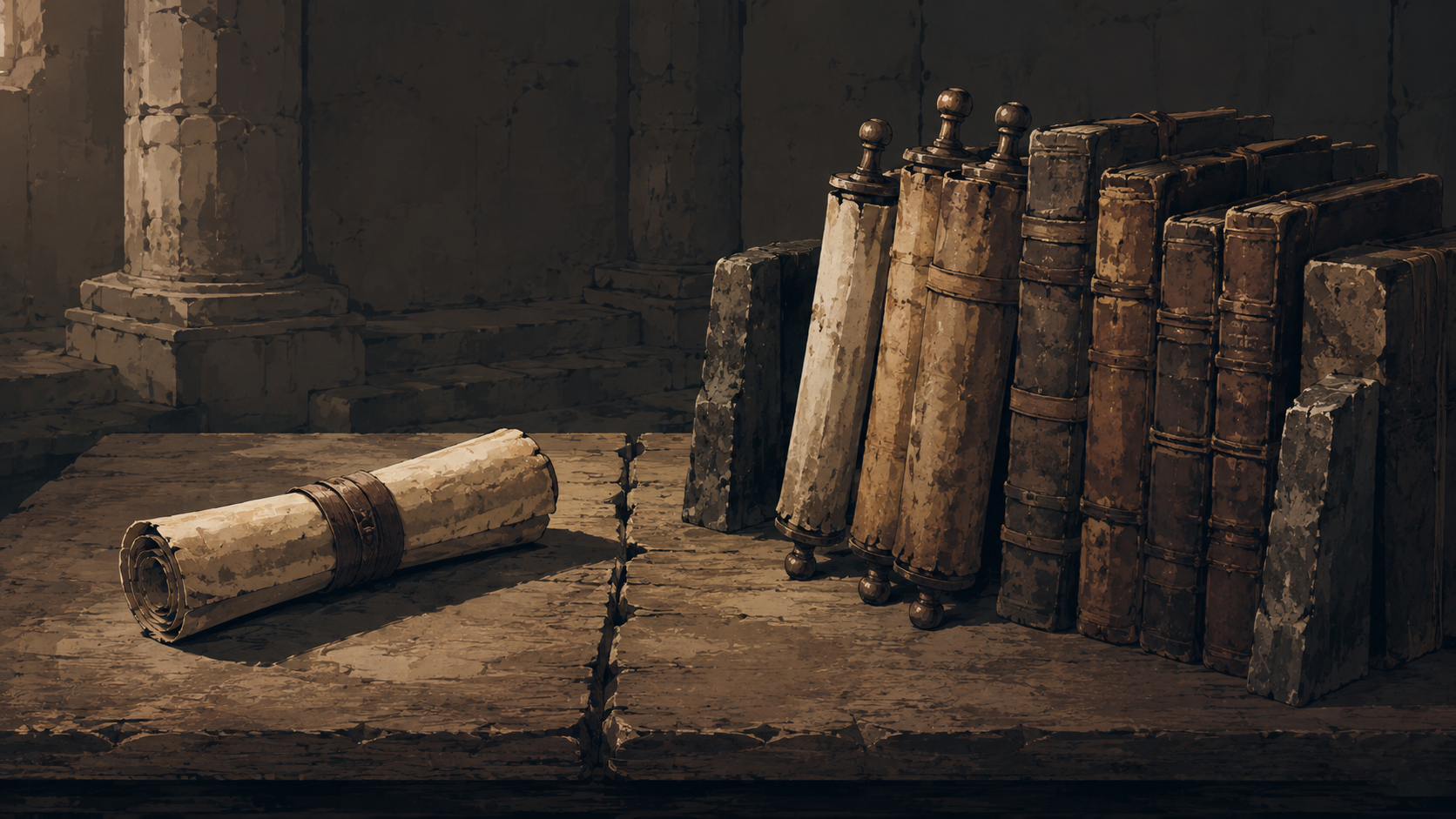
Why Is the Book of Enoch Not in the Bible-and Was It Ever Removed?
The Book of Enoch was known before the New Testament, preserved at Qumran, quoted by Jude, and still belongs to the Ethiopian Orthodox biblical tradition. So why is it absent from most Bibles, and is the popular claim that it was 'removed' historically accurate?
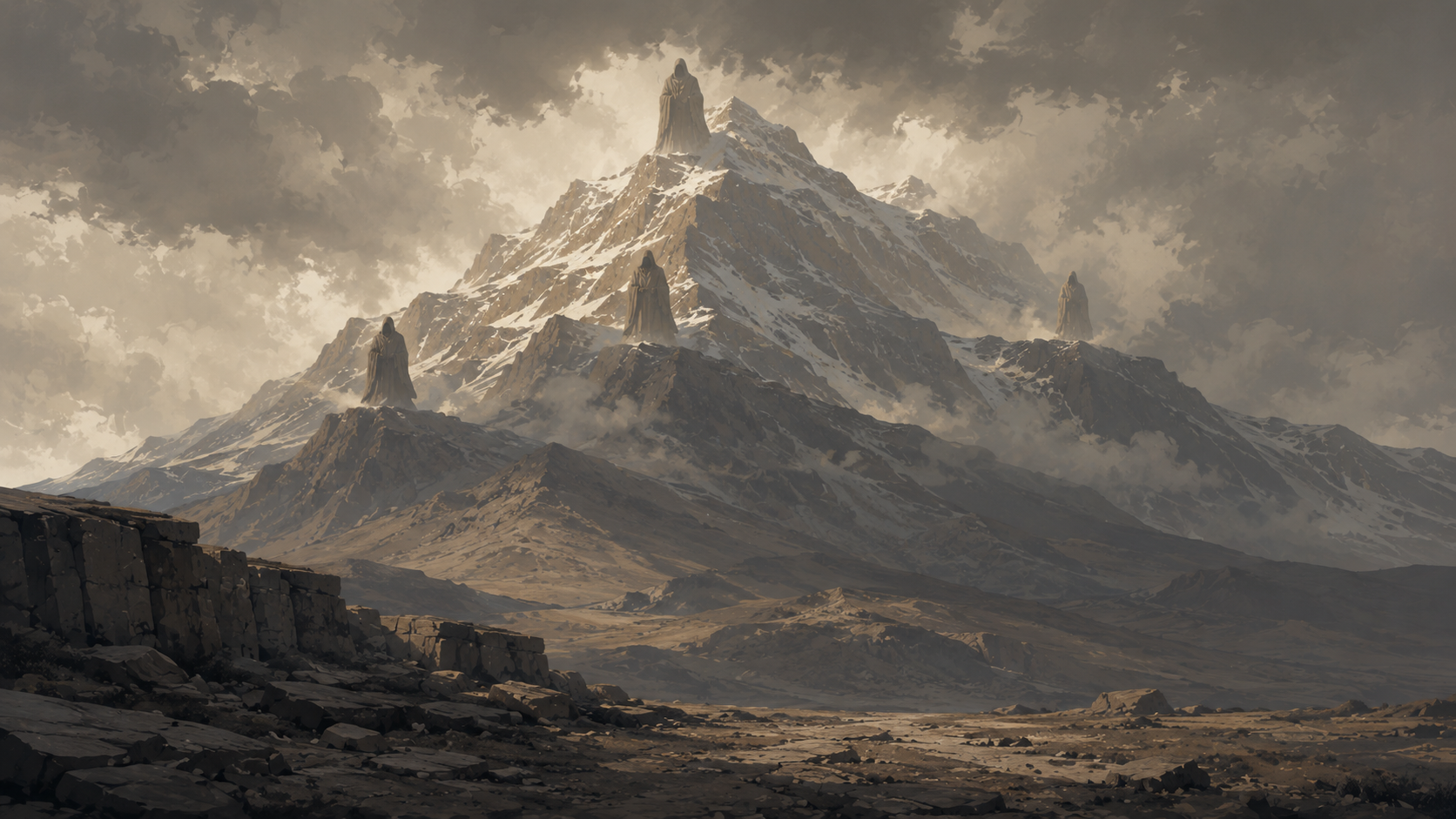
Mount Hermon in the Bible: Why This Mountain Matters
Mount Hermon appears at the northern edge of Israel's biblical world, but its importance reaches far beyond geography. Scripture, ancient Jewish tradition, Bashan, the Watchers, Caesarea Philippi, and the ministry of Jesus converge around this mountain.
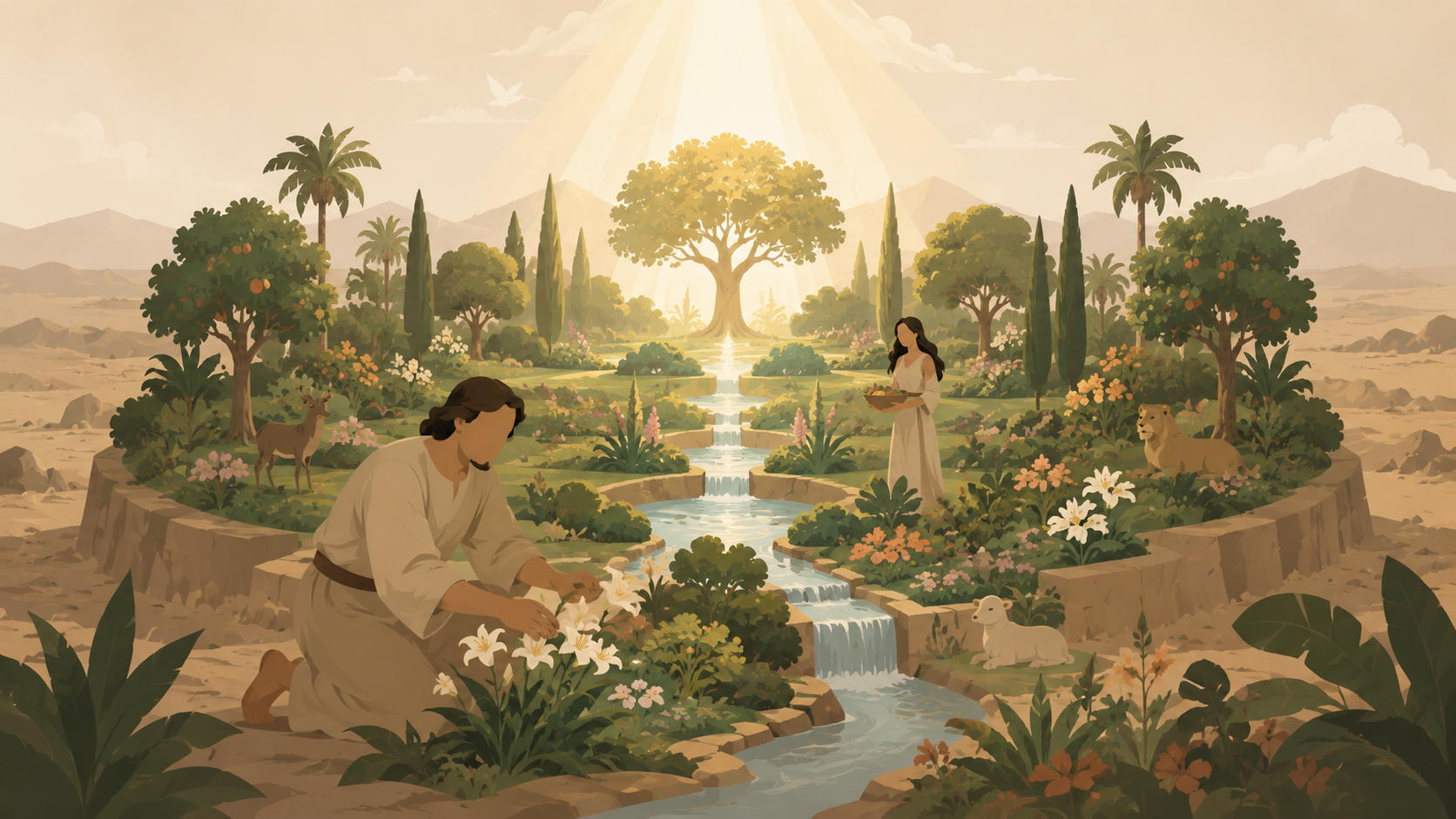
Eden the First Temple
Genesis never calls Eden a “temple,” yet its language and later sanctuary patterns strongly resemble Israel’s holy places. Was the garden the Bible’s first sanctuary?
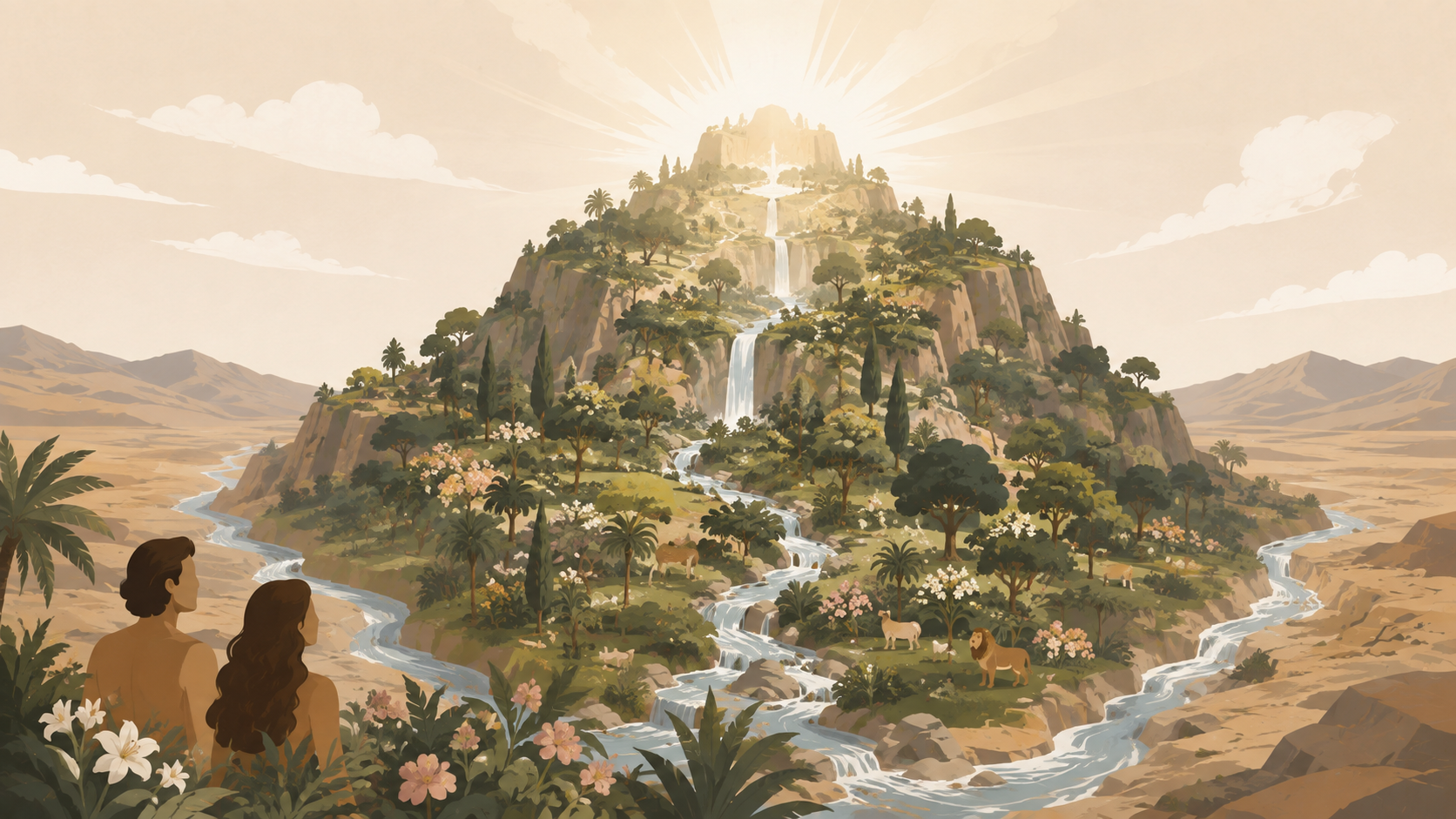
Eden The Mountain of God
Eden is usually pictured as a garden, but Ezekiel calls it “the holy mountain of God.” What happens when Genesis 2 is read alongside later biblical sacred-mountain imagery?
Who Did Jacob Wrestle With—God, an Angel, or a Man?
Genesis says Jacob wrestled with a man. Hosea says he struggled with the Angel. Jacob says he saw God face to face. How do these descriptions fit together?
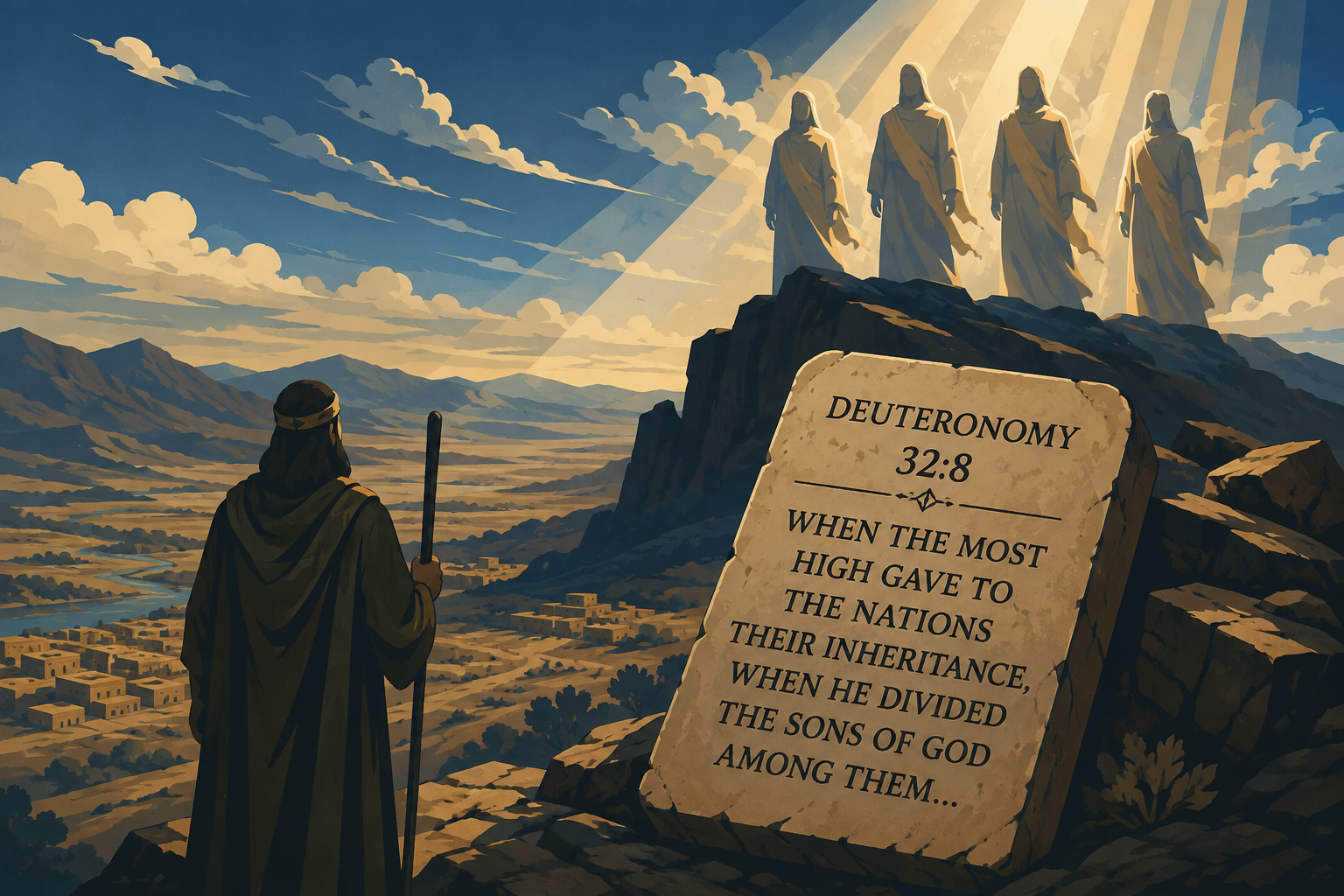
What Does Deuteronomy 32:8 Mean by “Sons of God”?
Some Bibles read “sons of Israel” in Deuteronomy 32:8, while others read “sons of God.” The difference reaches back to the Dead Sea Scrolls, the Septuagint, and the biblical story of the nations after Babel—and it opens a window into the supernatural worldview of Scripture.
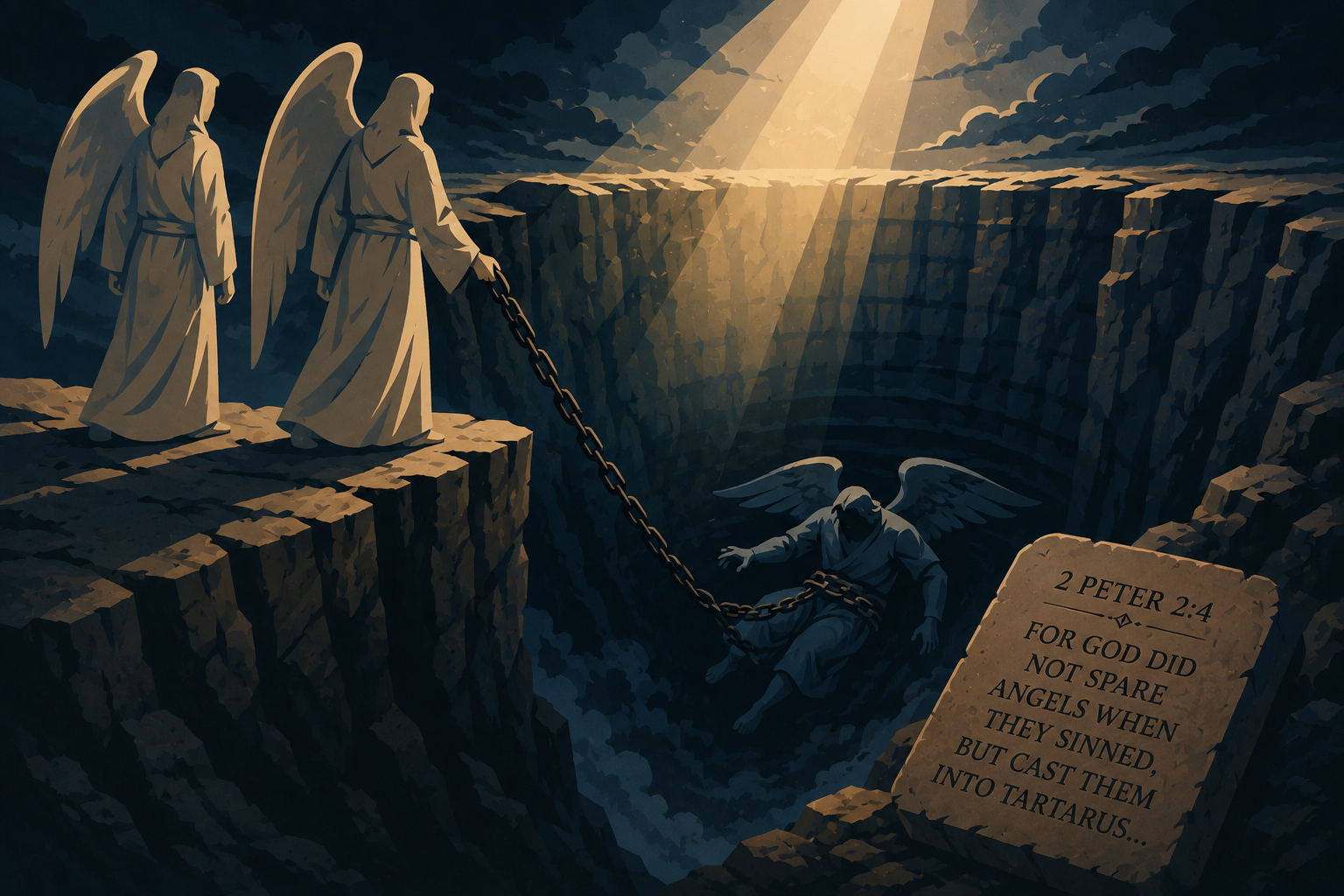
Why Did Peter Say Angels Were Cast Into Tartarus?
Second Peter 2:4 uses a Greek verb found nowhere else in the New Testament. Peter says that angels who sinned were cast into Tartarus and kept for judgment, then immediately turns to Noah and the ancient world. Why did he use that word, and what rebellion did he have in mind?