ROMAN HERITAGE PRESS RESOURCES
THE SUPERNATURAL BIBLE LIBRARY
Research-based articles and podcast exploring Scripture’s most difficult and overlooked passages through biblical theology, ancient context, and careful textual study.
Discover the connections between the divine council, the sons of God, the Watchers, the Nephilim, the gods of the nations, and the victory of Jesus Christ over the powers of darkness.
LATEST RESEARCH
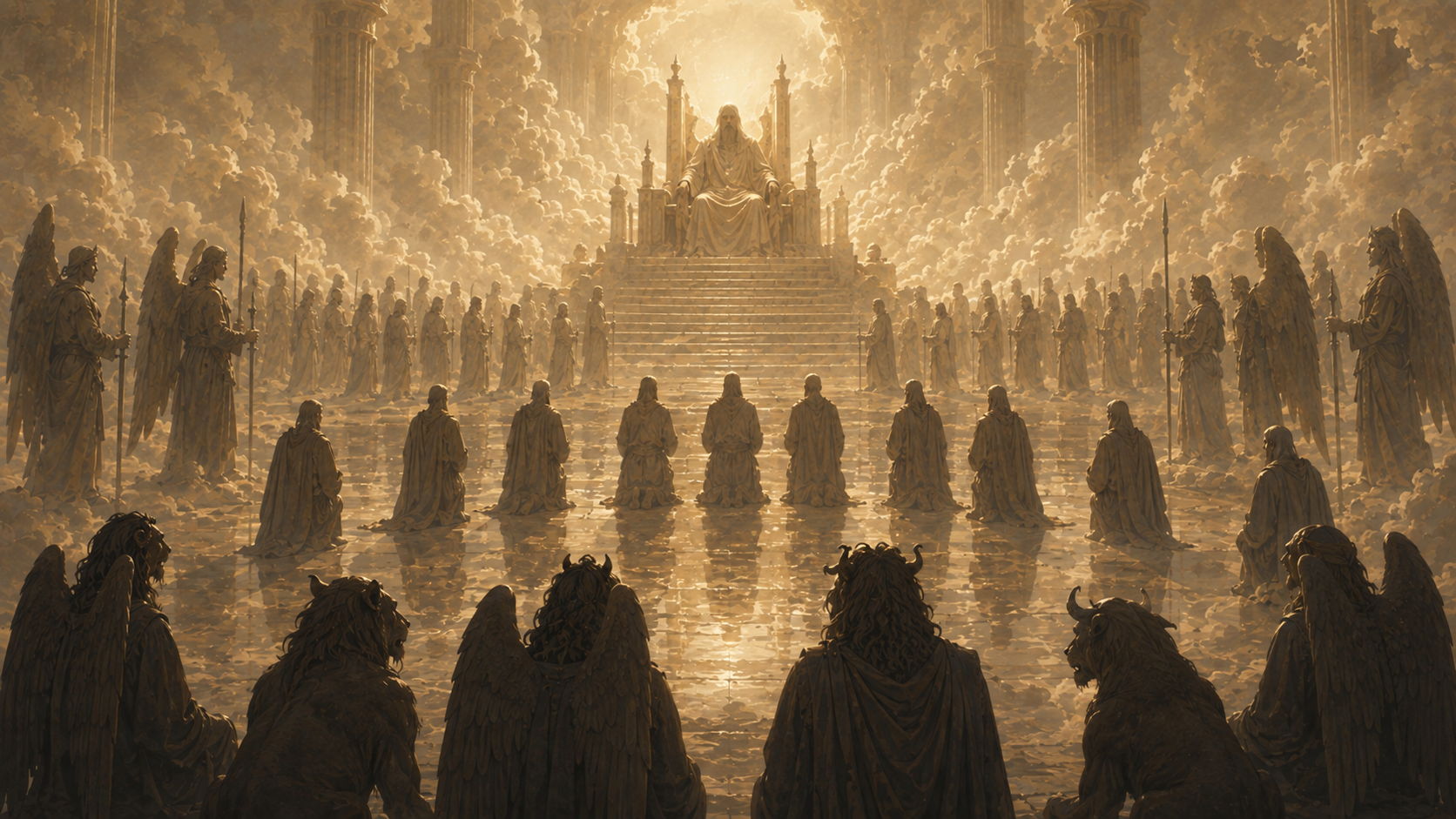
Who Is the Ancient of Days in Daniel 7?
Daniel 7 presents a fiery heavenly courtroom where the Ancient of Days takes His seat, books are opened, empires are judged, and one like a Son of Man receives an everlasting kingdom. This study asks who the Ancient of Days is and why the distinction between Him and the Son of Man matters.
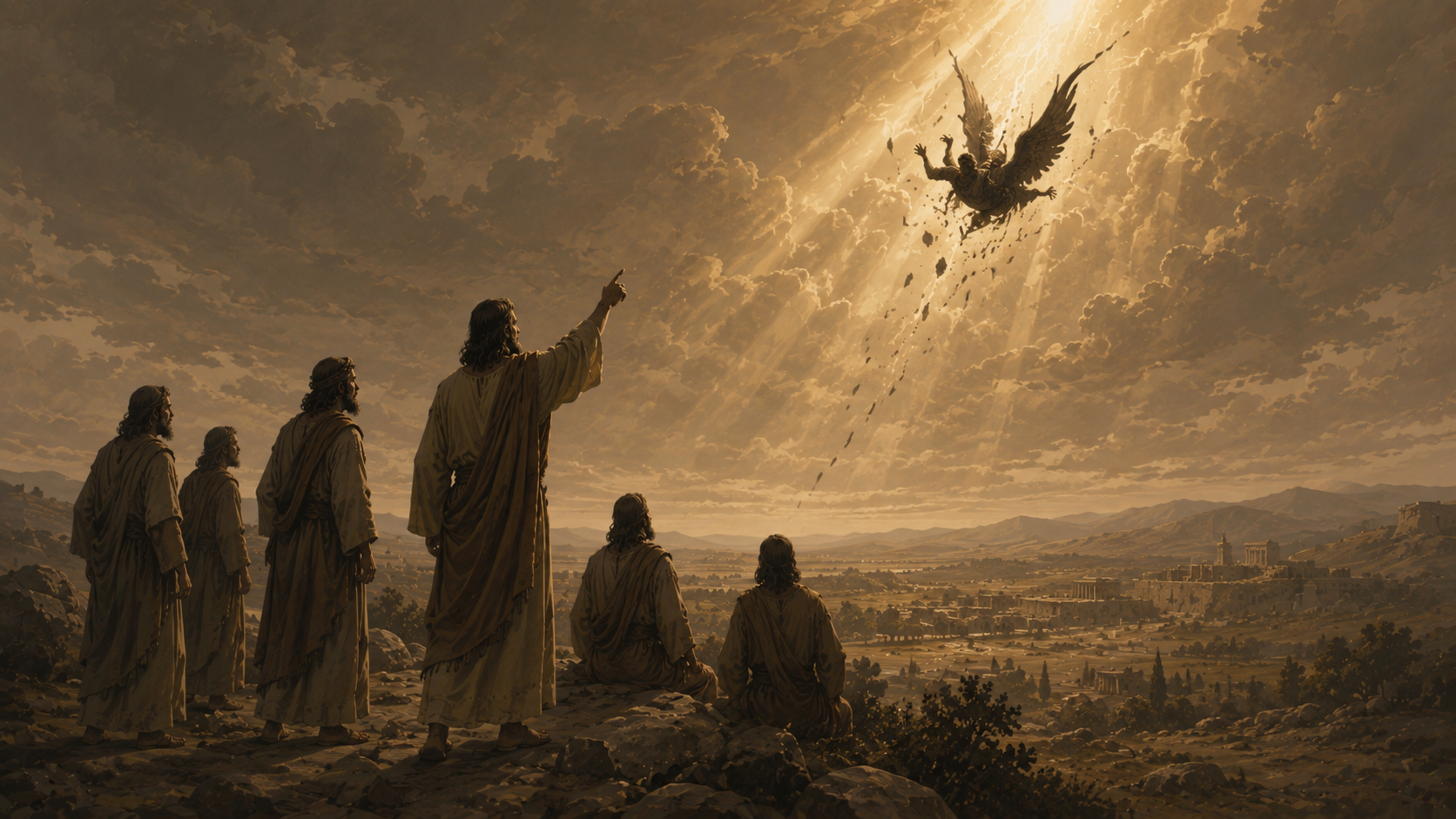
What Did Jesus Mean When He Said, “I Saw Satan Fall Like Lightning”?
Luke 10:18 is often treated as a statement about Satan's first rebellion. Yet Jesus speaks the words immediately after His disciples return amazed that demons submit to His name. This study follows the context of the mission, the fall imagery, the nations, and the advance of God's kingdom.
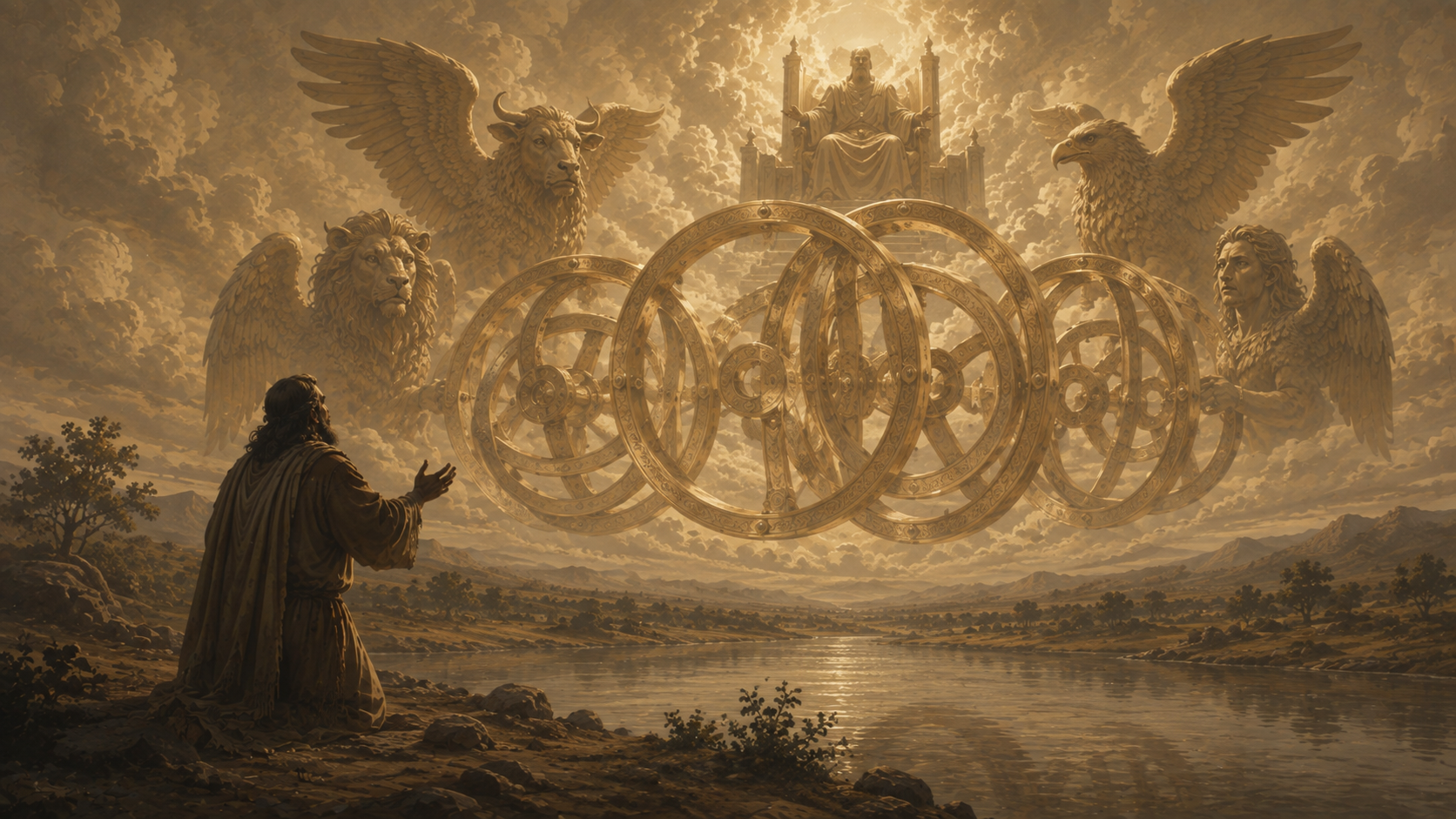
What Are Seraphim in the Bible? The Fiery Beings Around God’s Throne
Isaiah saw six-winged beings above the throne of God crying, 'Holy, holy, holy.' This study examines what Scripture actually says about the seraphim, what their name may suggest, why fire and purification surround their ministry, and how they differ from other heavenly beings.
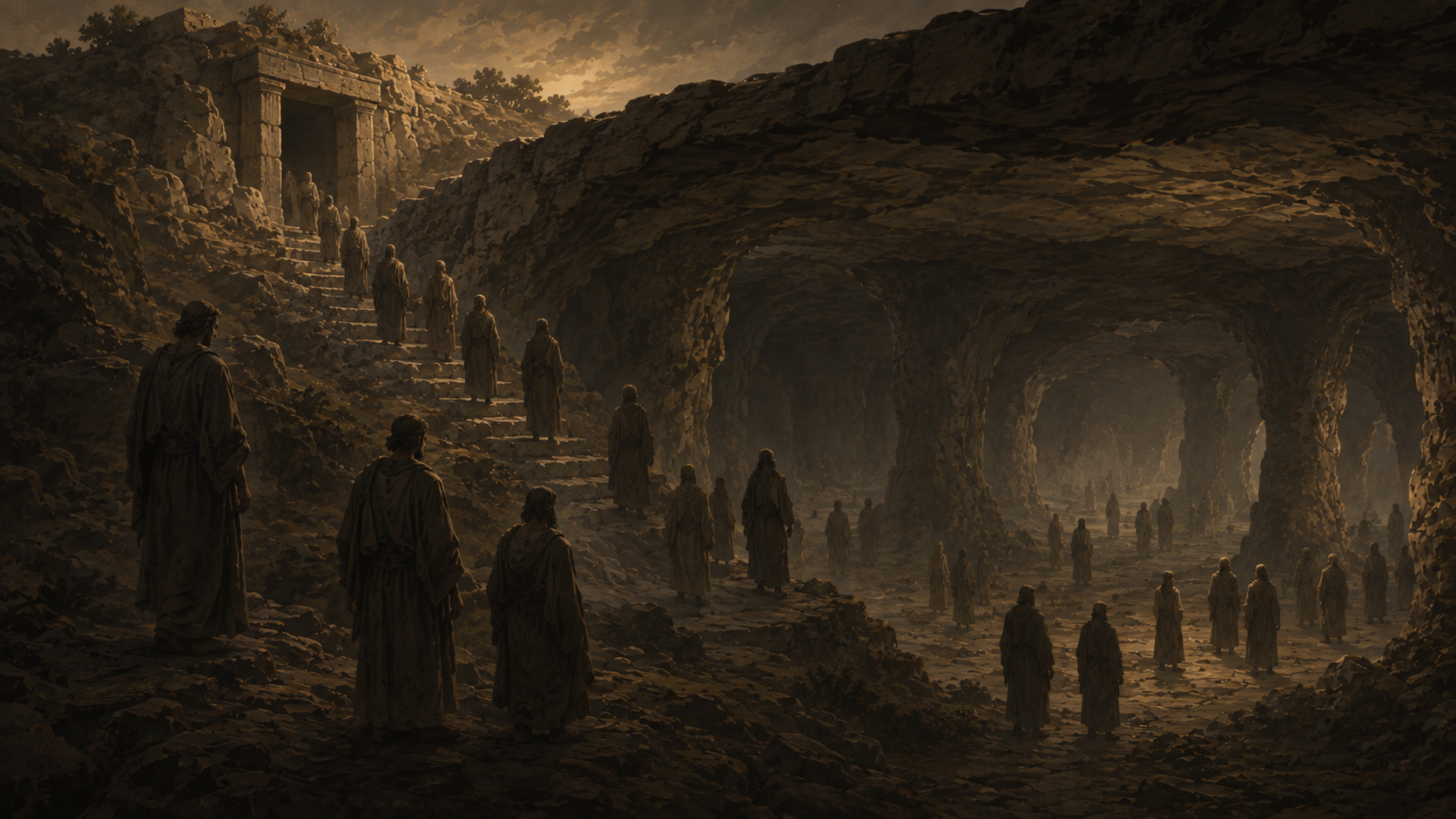
What Is Sheol in the Bible? Understanding the Biblical Realm of the Dead
English Bibles translate Sheol in several ways, which can make the Old Testament's language of death difficult to follow. This study traces Sheol as the biblical realm of the dead, its connection with the Rephaim or shades, and its relationship to Hades in the New Testament.
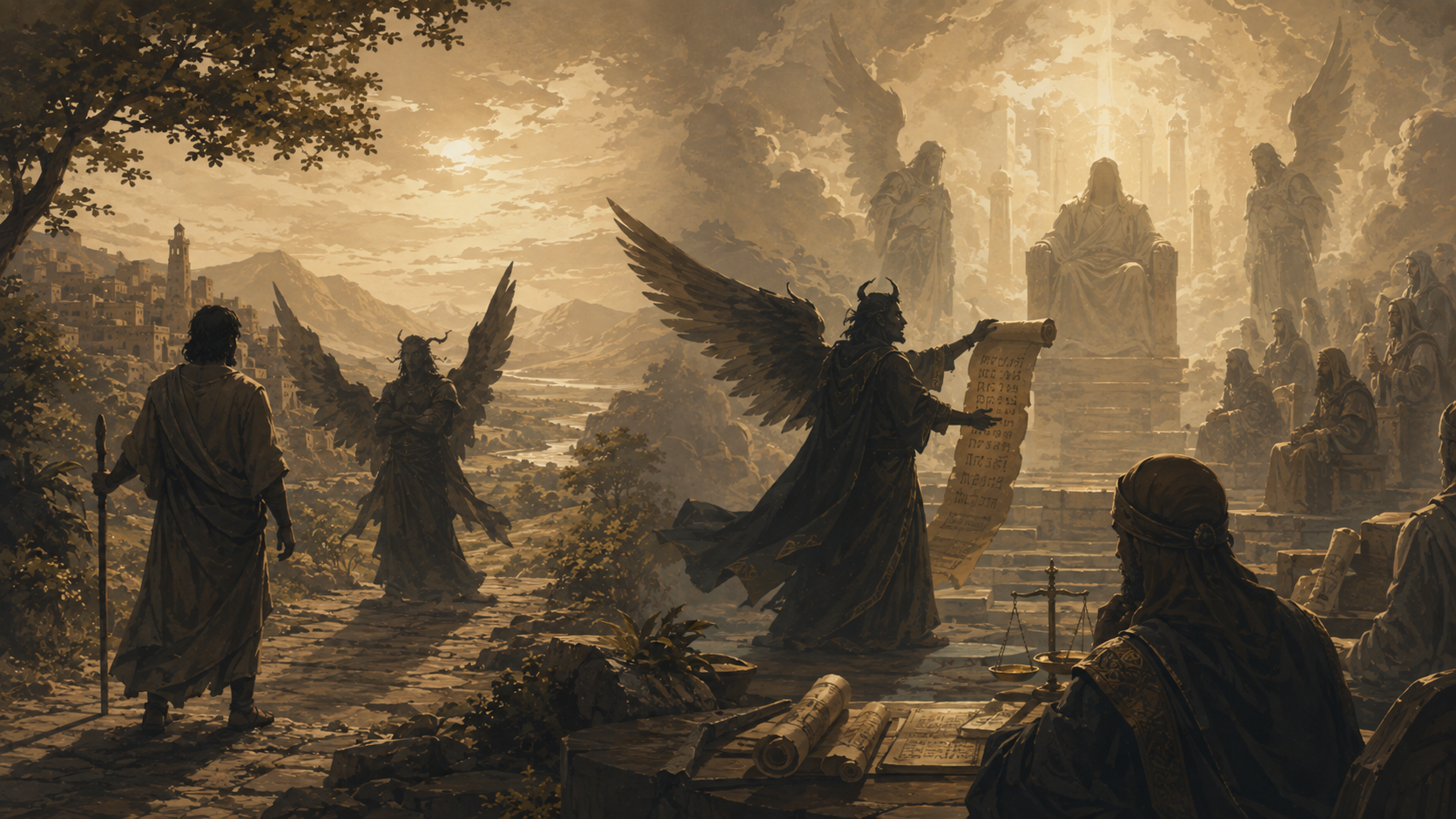
What Does Satan Mean in Hebrew? From Adversary to Accuser
Satan was not originally an unexplained English name. The Hebrew word means adversary or opponent and develops into the biblical title of the supernatural accuser who stands against God’s people.
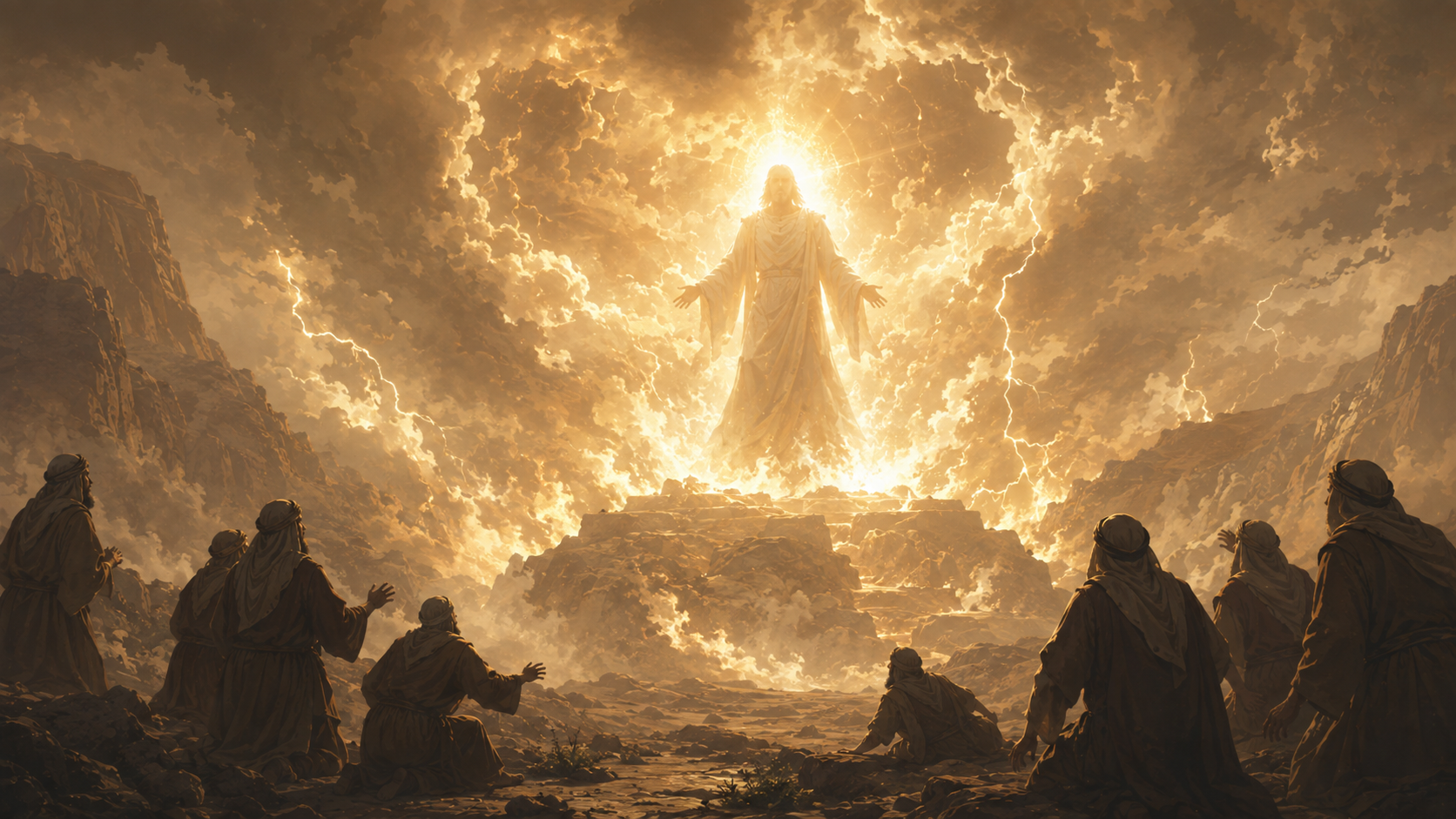
What Is a Theophany? How God Appears in Visible Form in the Bible
Fire, cloud, a mysterious Messenger, a human figure, and overwhelming glory—Scripture repeatedly portrays God making Himself visible. The theological term for these appearances is theophany.
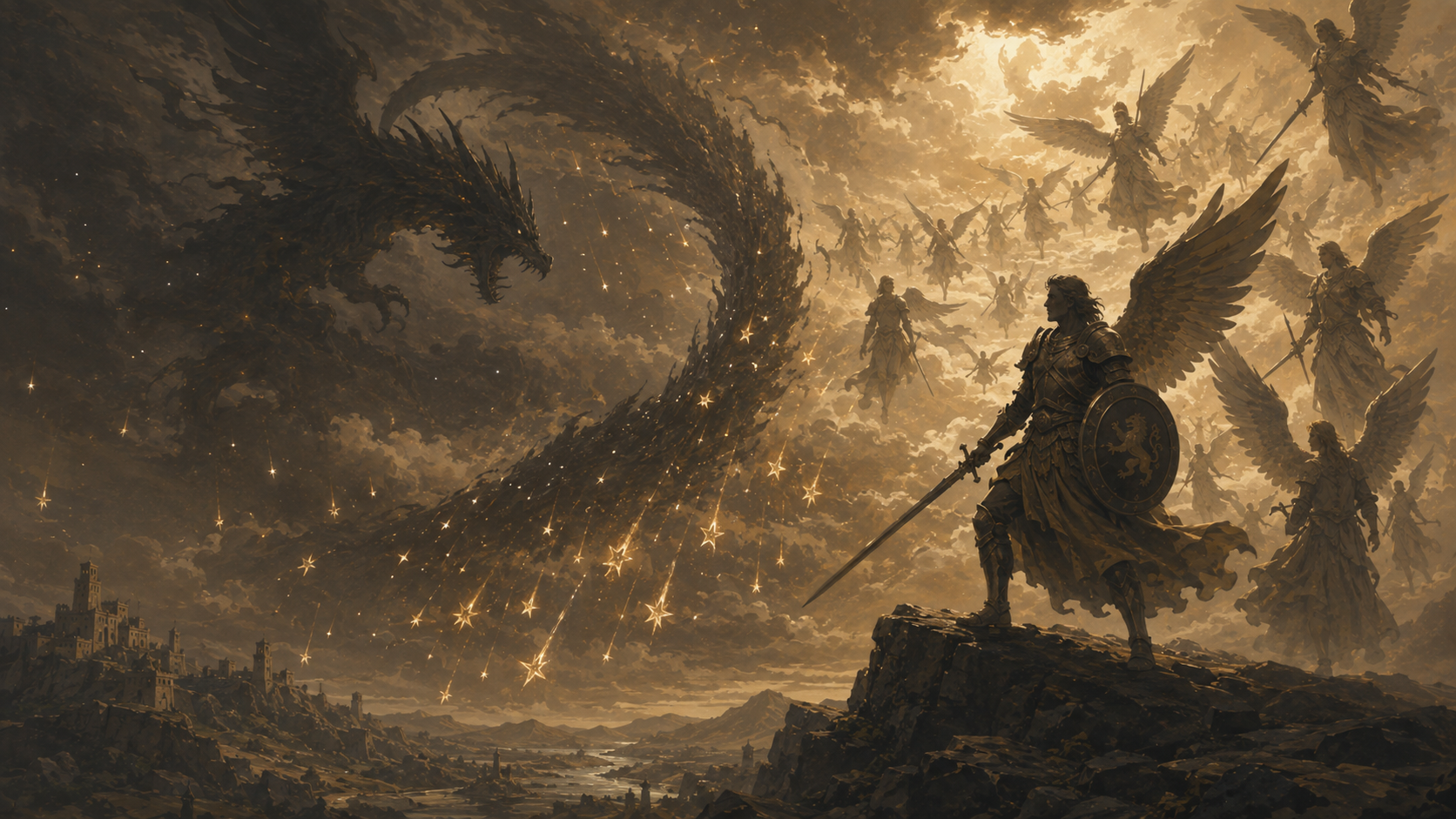
If No One Has Seen God, How Did People See God in the Old Testament?
Jacob said he saw God face to face. Moses encountered God in fire and glory. Yet Scripture says no one has seen God. The apparent contradiction disappears when the Bible’s own category of divine manifestation is understood.
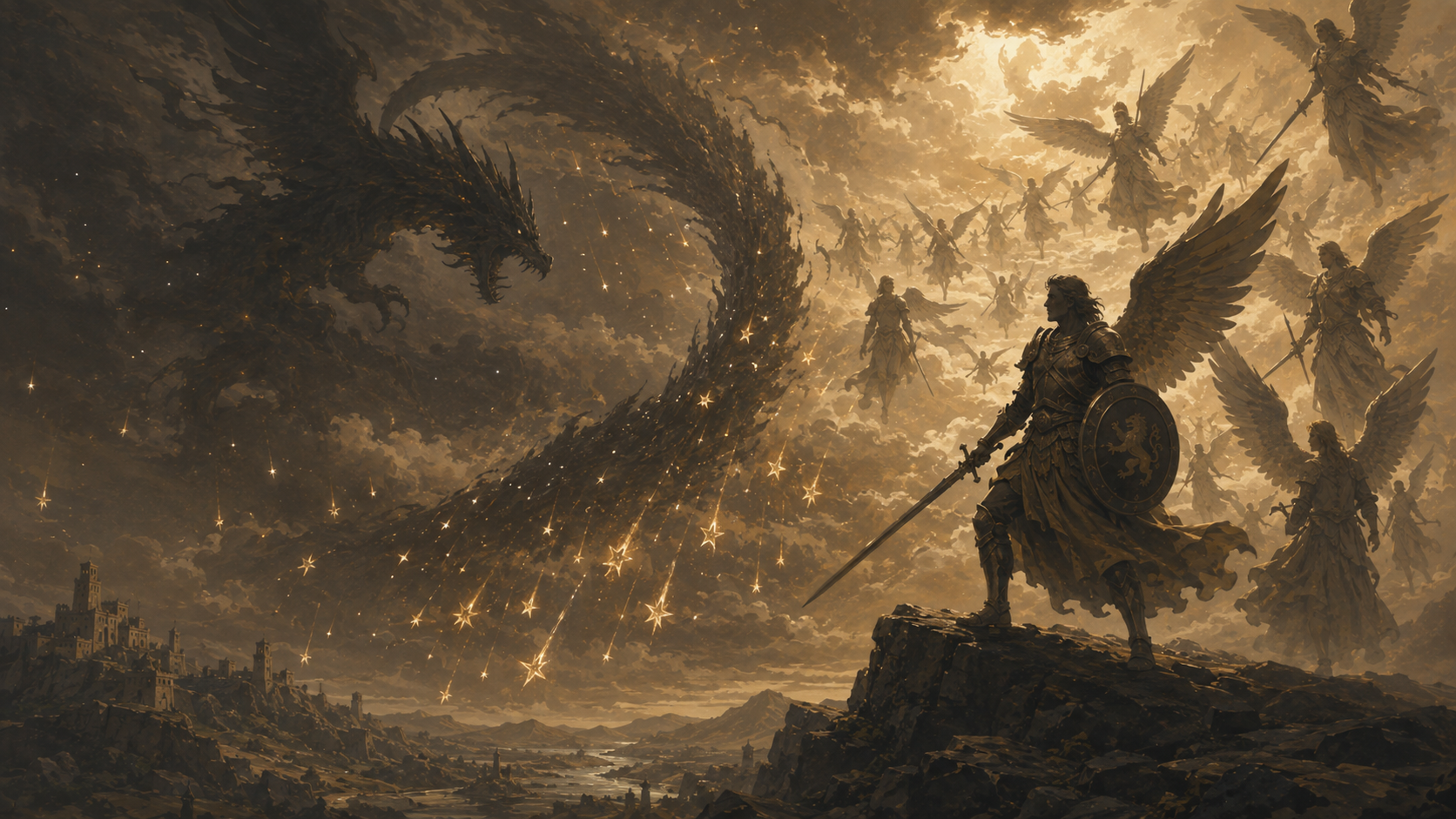
Did One Third of the Angels Fall With Satan? What Revelation 12 Actually Shows
Revelation 12 says the dragon swept down a third of the stars of heaven and later speaks of “his angels.” What does the chapter actually reveal about Satan’s heavenly followers?
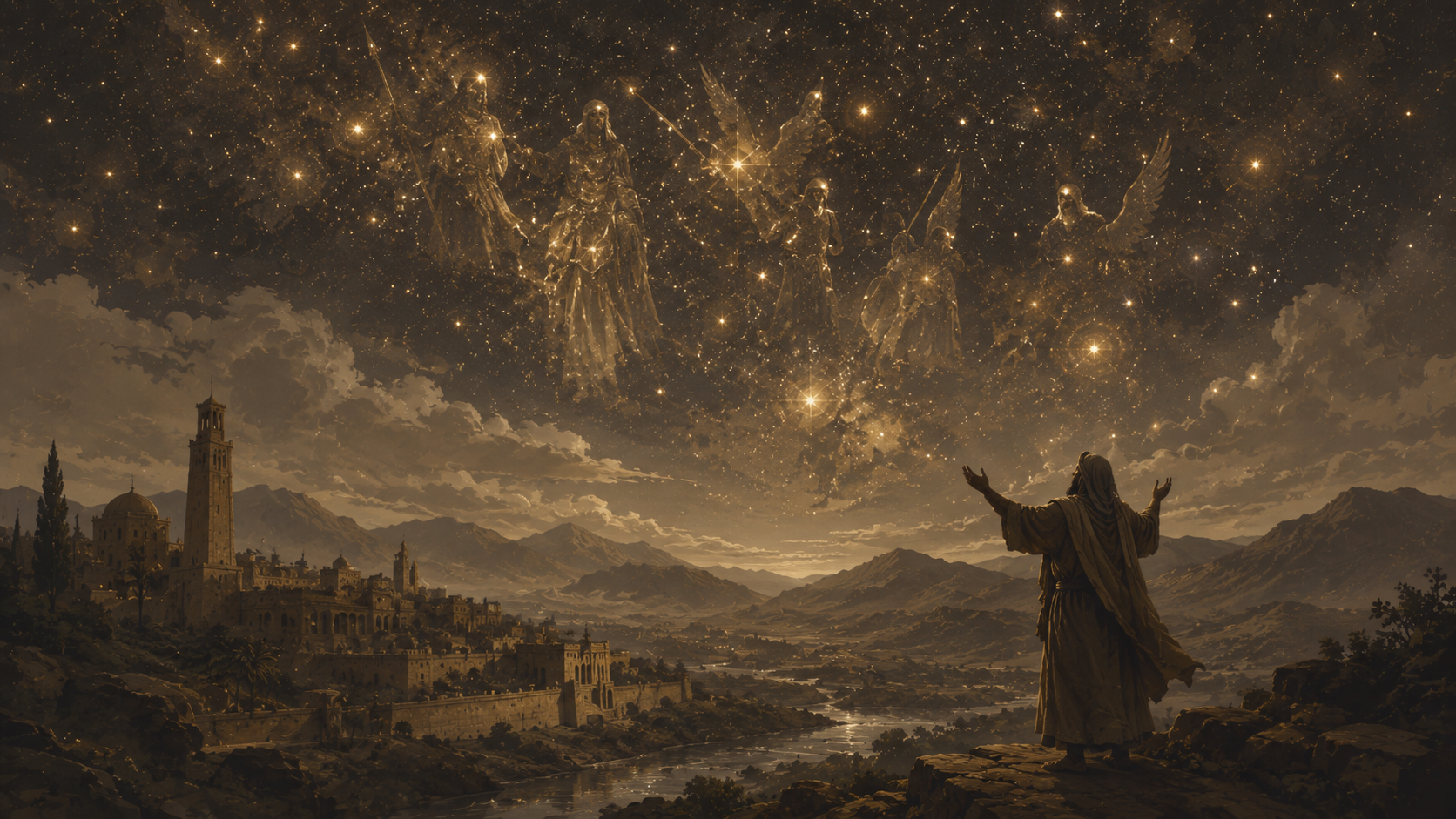
Why Does the Bible Use Stars as Images of Heavenly Beings?
Are stars angels in the Bible? Explore Job 38, the host of heaven, Daniel 8, and Revelation to understand why Scripture uses star imagery for heavenly beings.
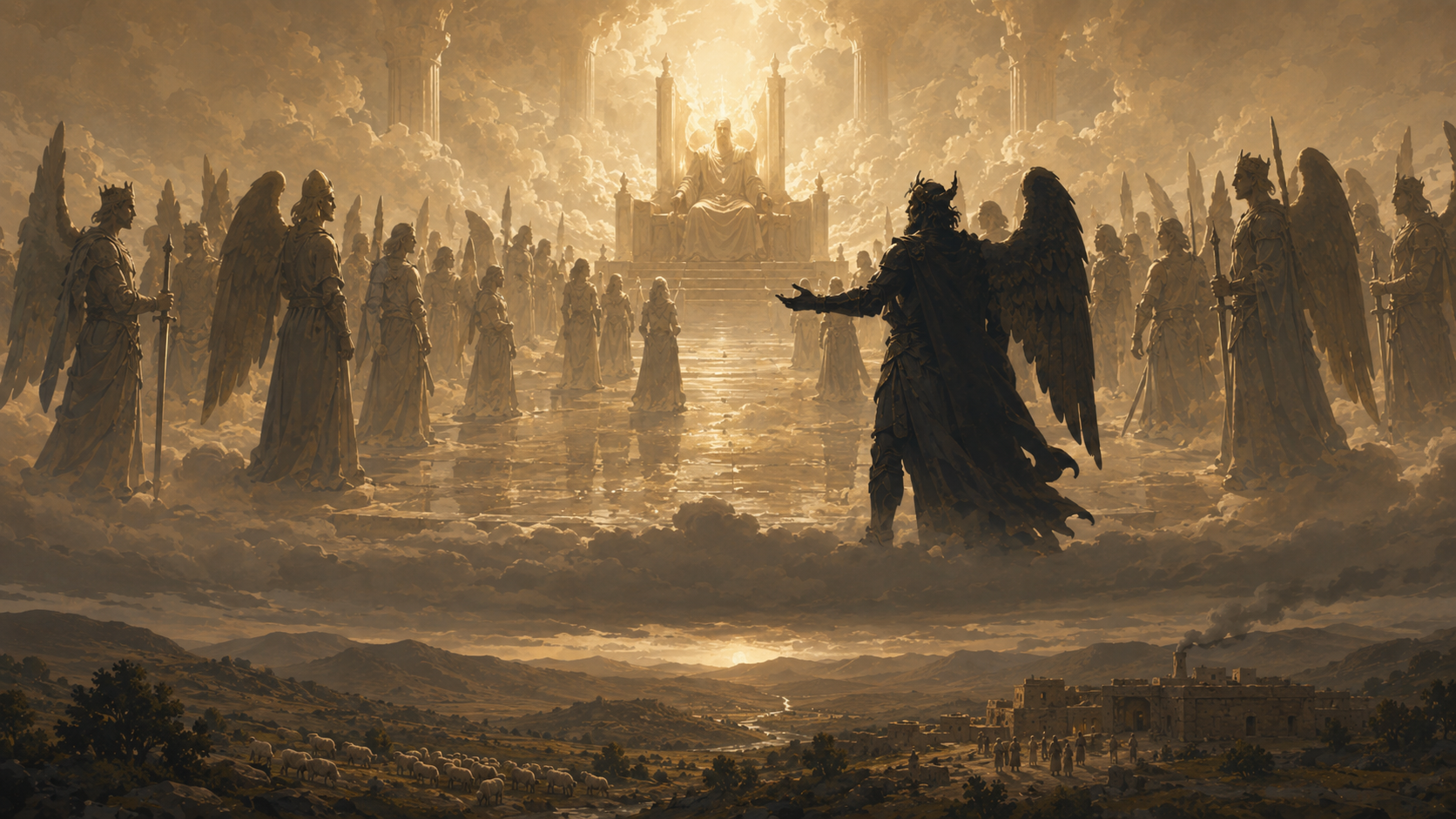
Why Was Satan Allowed to Stand Before God in the Book of Job?
If Satan is God’s enemy, why does Job show him standing before the LORD? The heavenly prologue reveals an adversary who is dangerous but never sovereign.
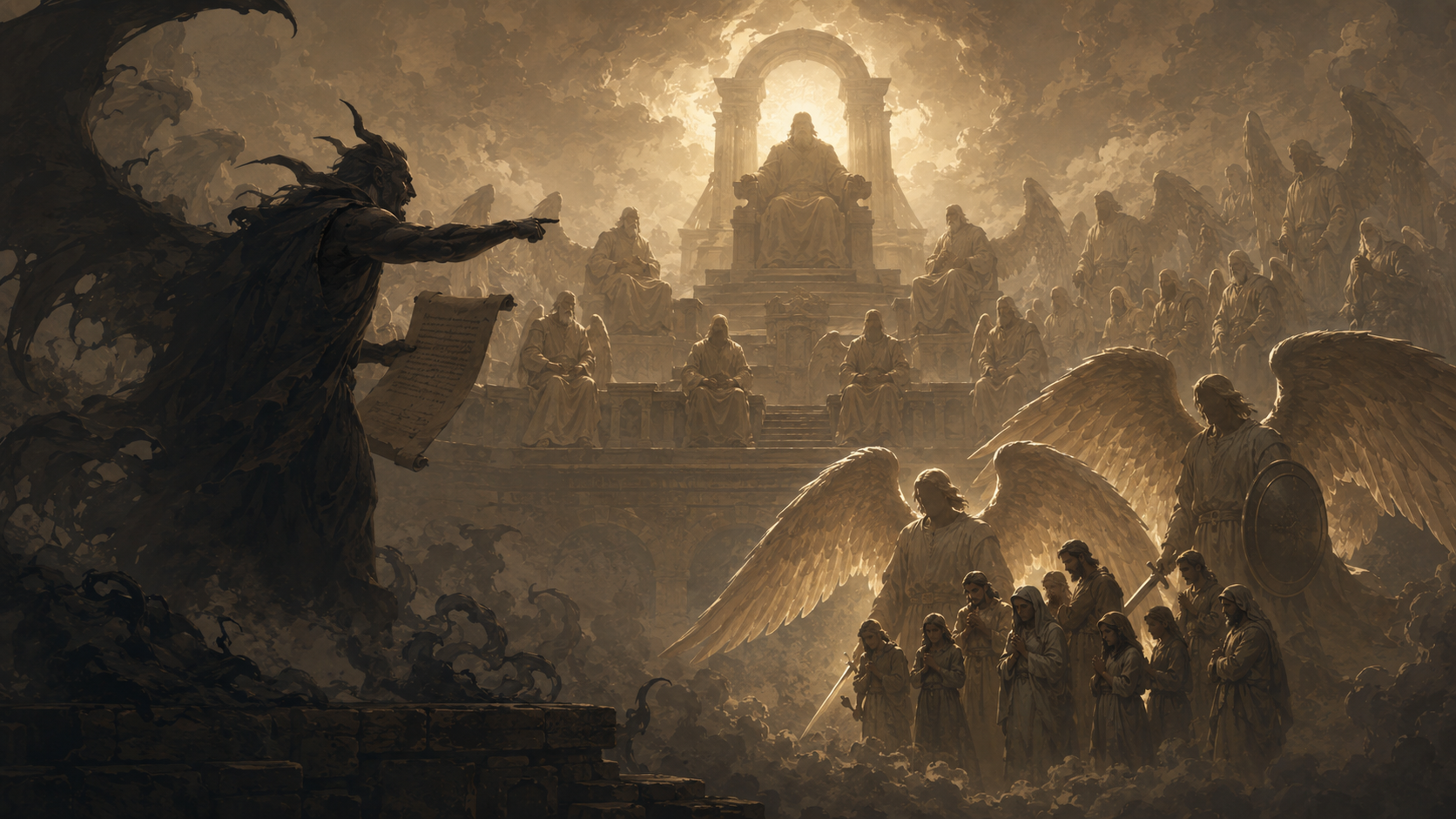
Why Is Satan Called “the Accuser of the Brethren”?
Revelation calls Satan “the accuser of our brothers.” Job and Zechariah show why: the adversary appears in the heavenly court and uses guilt as a weapon against God’s people.
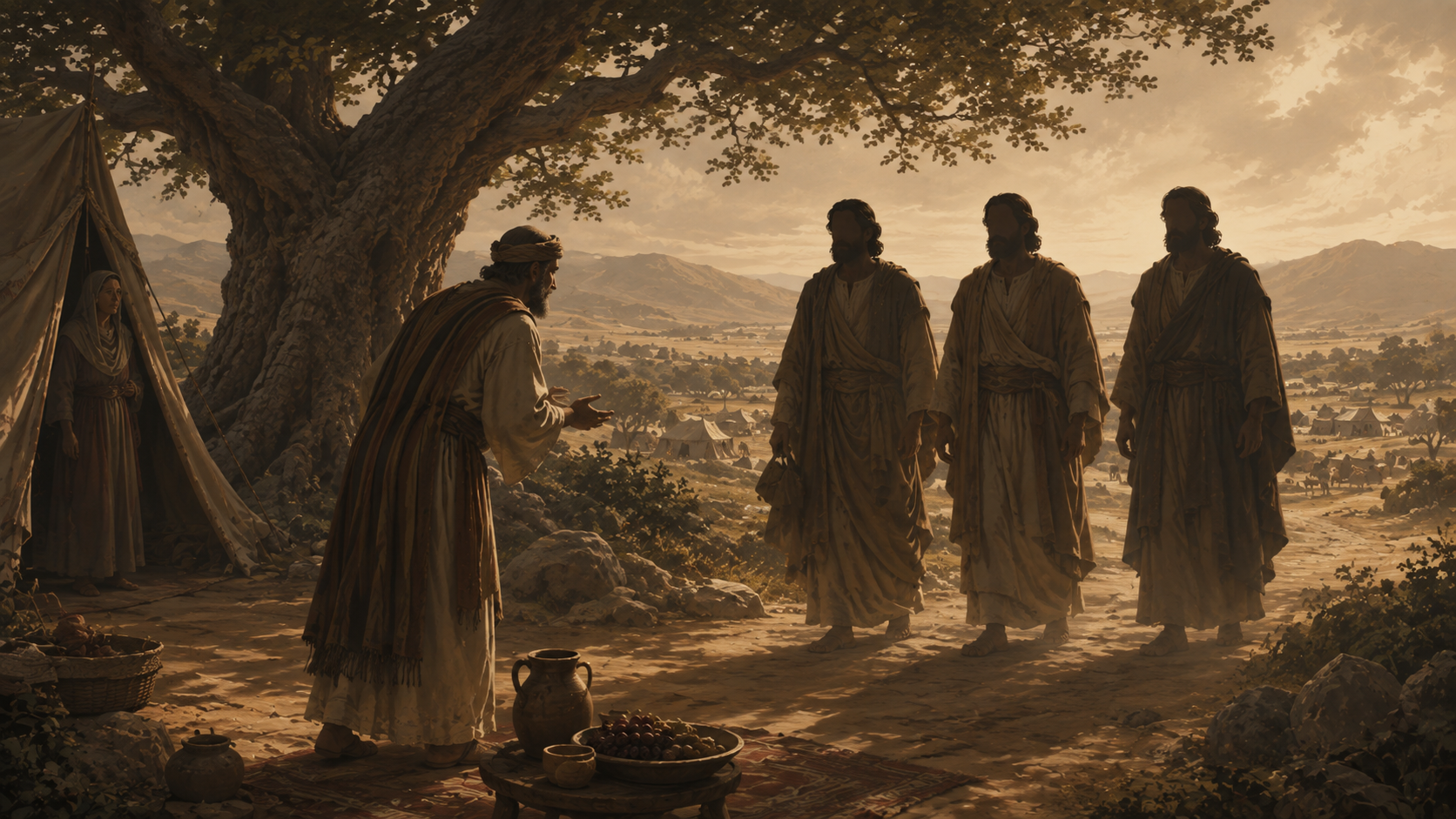
Who Were the Three Visitors Who Came to Abraham in Genesis 18?
Genesis 18 says the LORD appeared to Abraham, yet Abraham saw three men. Two later appear in Sodom as angels. The identity of the third visitor is written into the narrative itself.
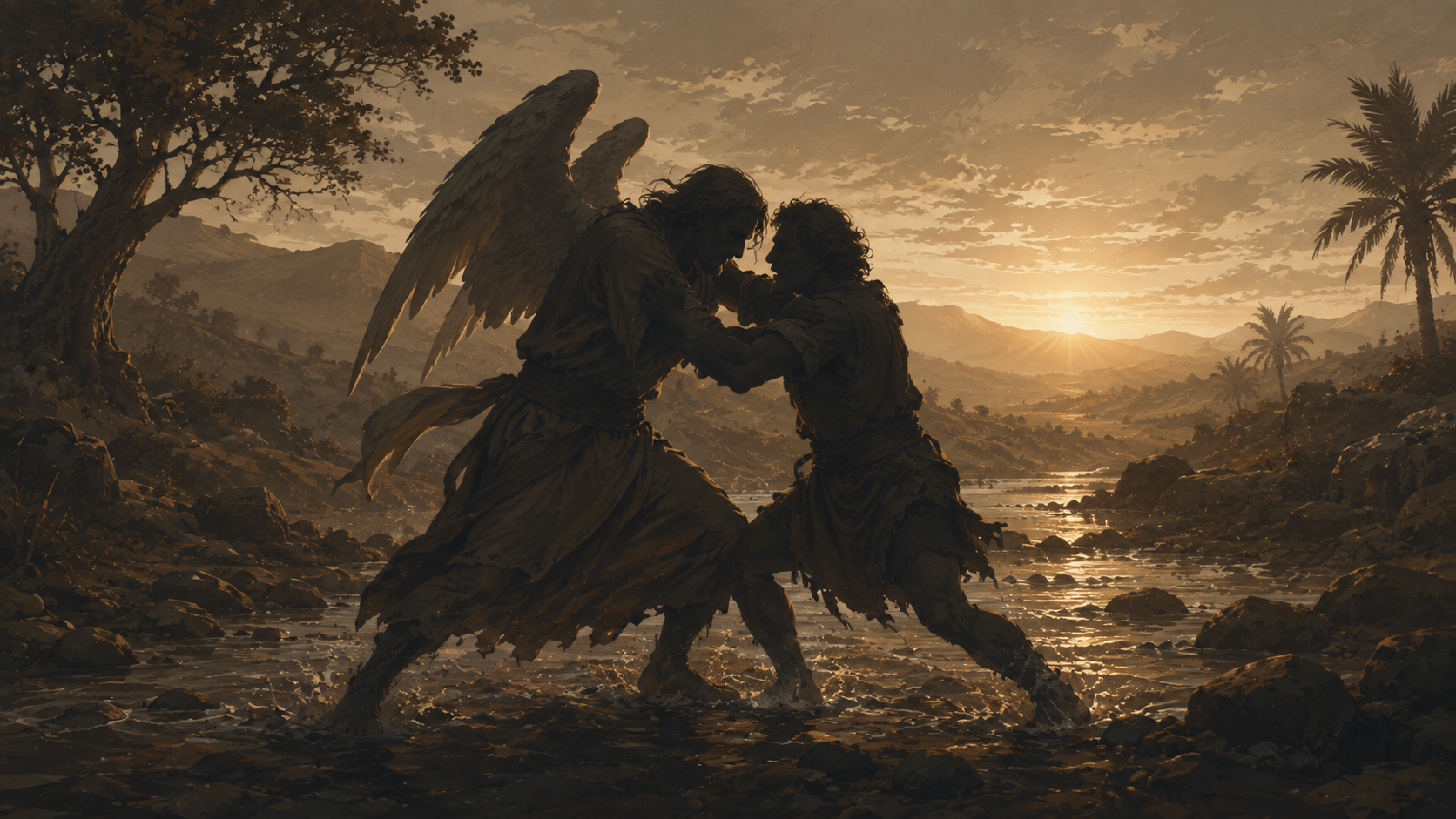
Who Did Jacob Wrestle With—God, an Angel, or a Man?
Genesis says Jacob wrestled with a man. Hosea says he struggled with the Angel. Jacob says he saw God face to face. How do these descriptions fit together?
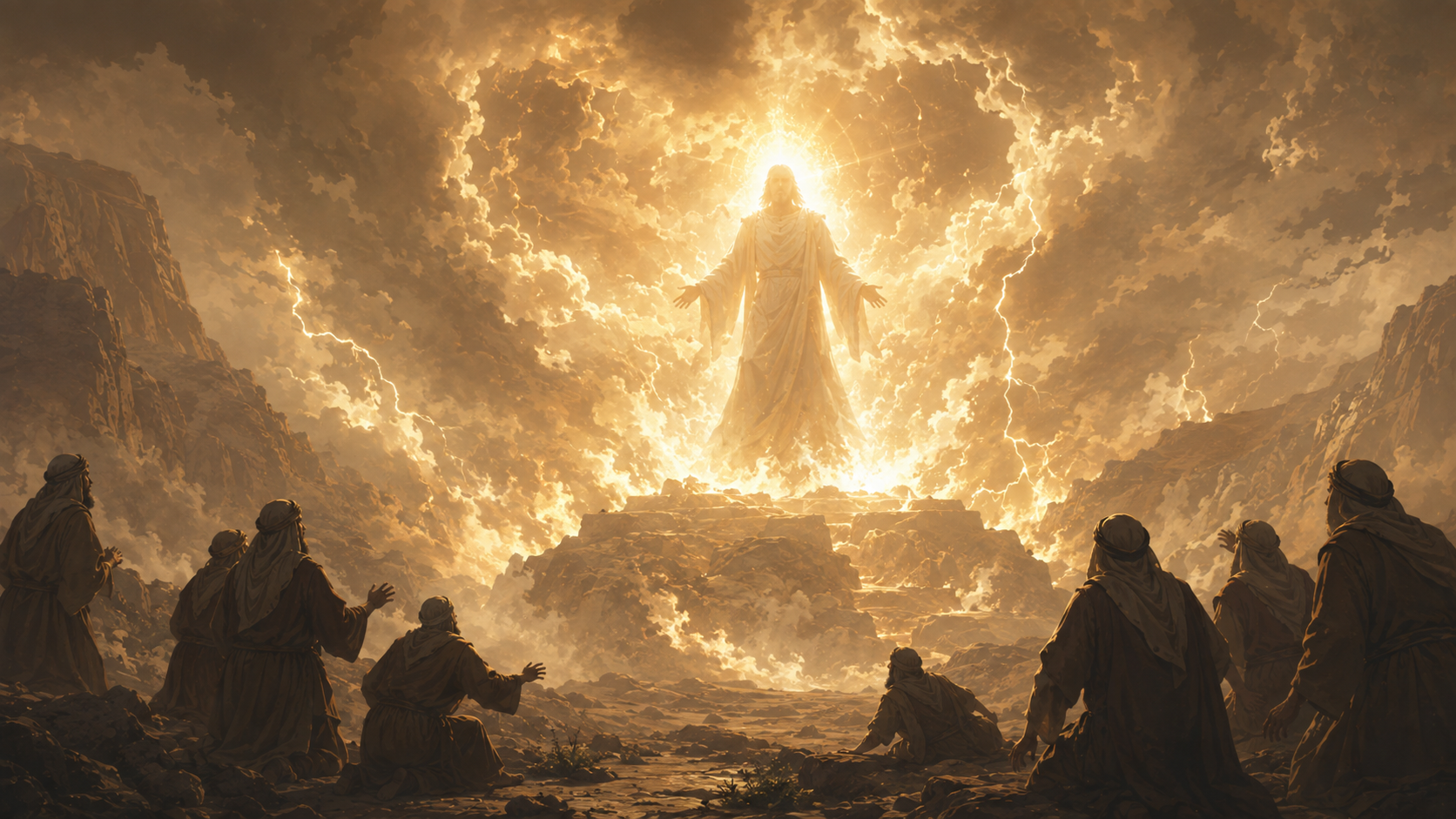
Who Is the Angel of the LORD in the Bible?
The Angel of the LORD speaks as Yahweh, carries covenant authority, and is repeatedly understood as an encounter with God. What does the Old Testament actually reveal about this mysterious Messenger?
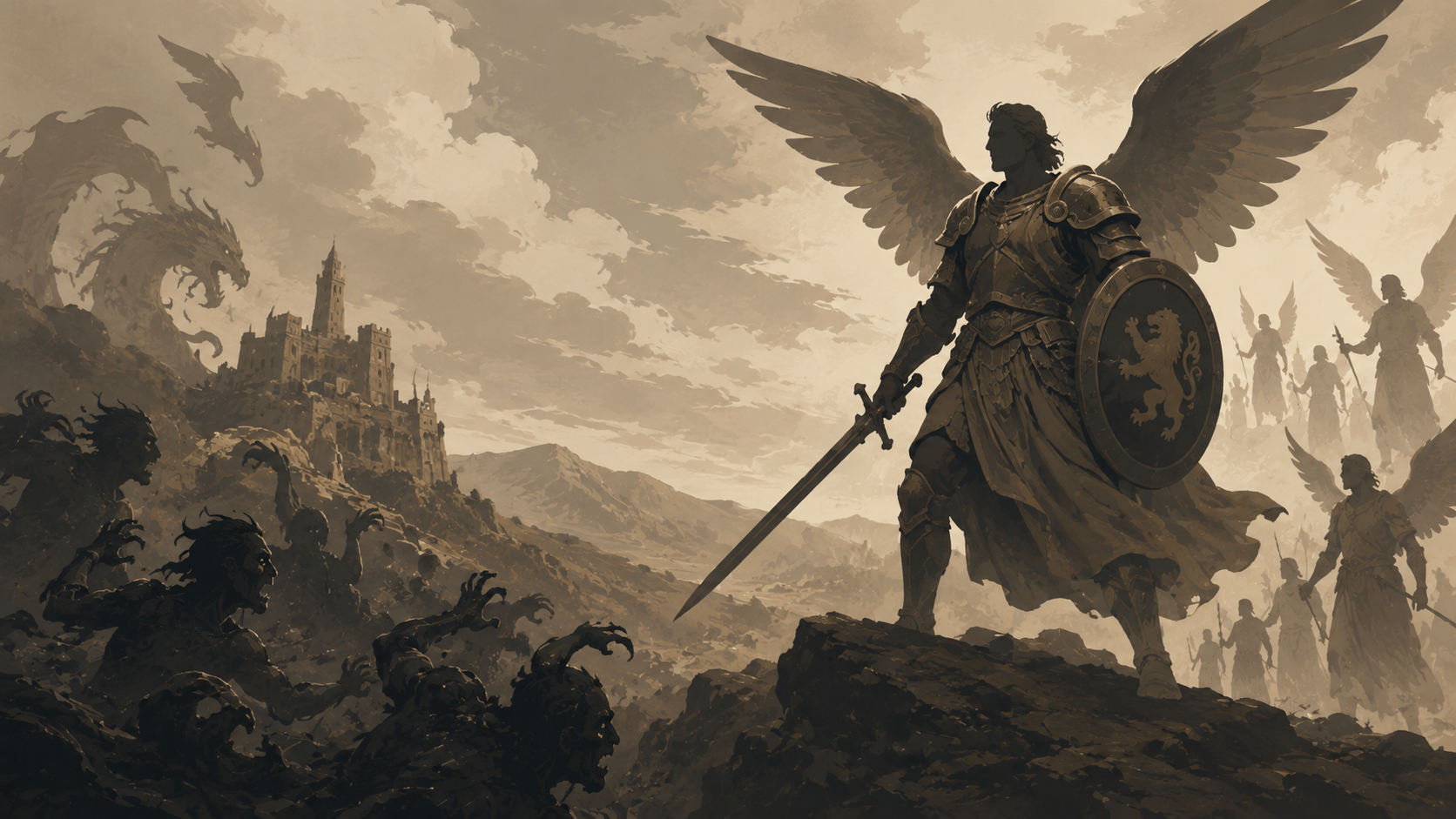
Who Is Michael the Archangel in the Bible? Daniel, Jude, and the Heavenly Conflict
Michael appears in Daniel, Jude, and Revelation at crucial moments of heavenly conflict. Scripture presents him as a chief prince and archangel—but does it ever identify him with Christ?
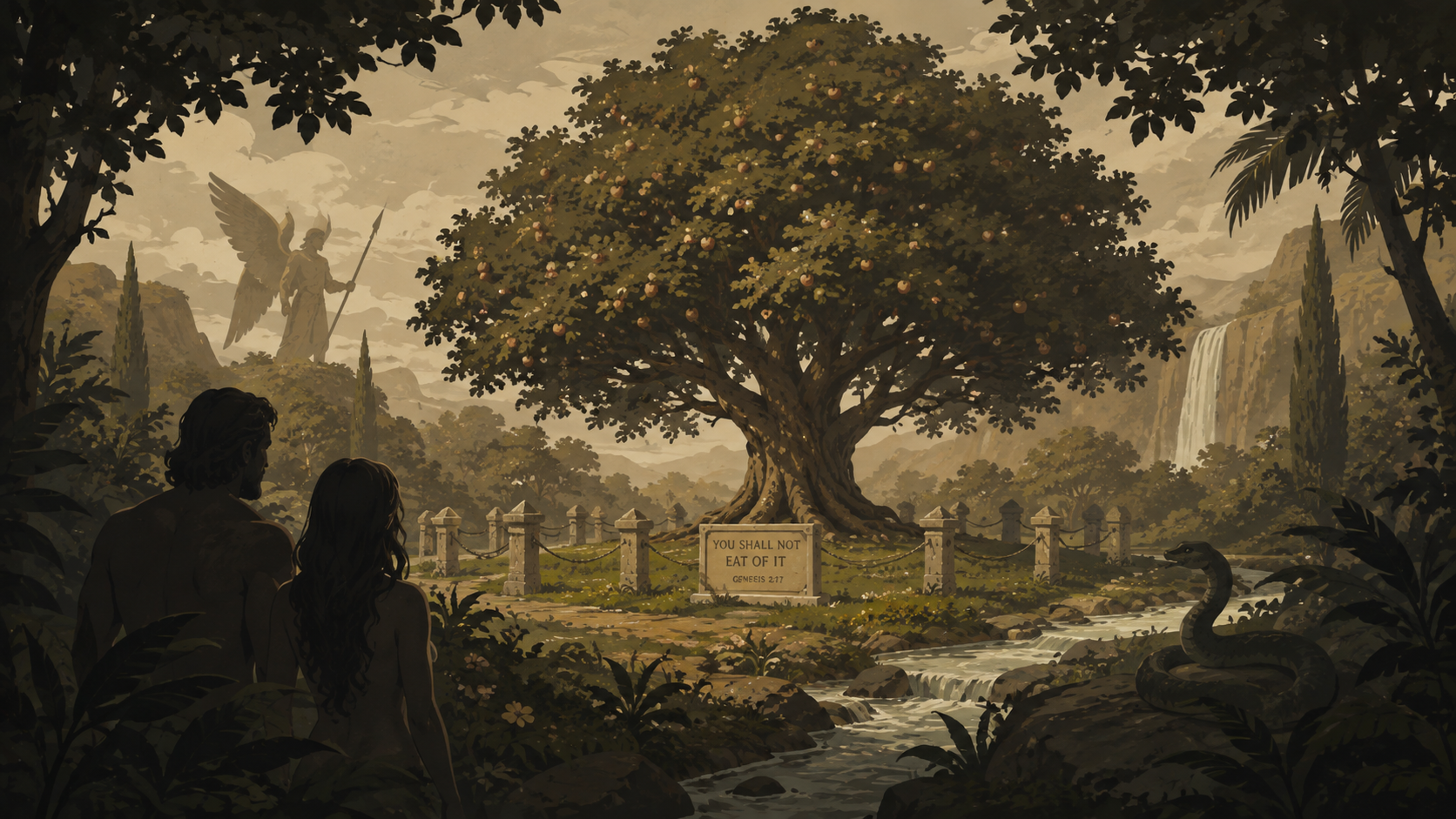
What Is the Tree of the Knowledge of Good and Evil? Why Did God Put It in Eden?
Why would God place a forbidden tree in Eden? Genesis does not describe magical fruit or an evil plant. The deeper issue is wisdom, allegiance, sacred boundaries, and humanity’s attempt to define good and evil apart from God.
Who Are the ‘Sons of God’ in Romans 8? Creation, Adoption, and Restored Sonship
Romans 8 calls Spirit-led believers ‘sons of God’ and says creation waits for their revealing. Paul’s language joins adoption, inheritance, cosmic restoration, and the believer’s future under the reign of Christ.
What Are Cherubim in the Bible? Eden, God’s Throne, and Guarded Sacred Space
Biblical cherubim are not decorative infants. They guard Eden, overshadow the Ark, mark the sanctuary boundary, and appear in Ezekiel’s throne visions. Their repeated role reveals the Bible’s theology of sacred space.
What Did Jesus Mean by ‘the Ruler of This World’?
esus repeatedly calls Satan ‘the ruler of this world,’ yet every occurrence points toward judgment and defeat. John’s Gospel explains both the reality and the limits of that authority.
Why Does Paul Call Satan ‘the God of This Age’?
Paul calls Satan ‘the god of this age’ in 2 Corinthians 4:4. The title sounds almost dualistic until it is read within Paul’s monotheism, his theology of spiritual powers, and the supremacy of Christ.