ROMAN HERITAGE PRESS RESOURCES
THE SUPERNATURAL BIBLE LIBRARY
Research-based articles and podcast exploring Scripture’s most difficult and overlooked passages through biblical theology, ancient context, and careful textual study.
Discover the connections between the divine council, the sons of God, the Watchers, the Nephilim, the gods of the nations, and the victory of Jesus Christ over the powers of darkness.
LATEST RESEARCH
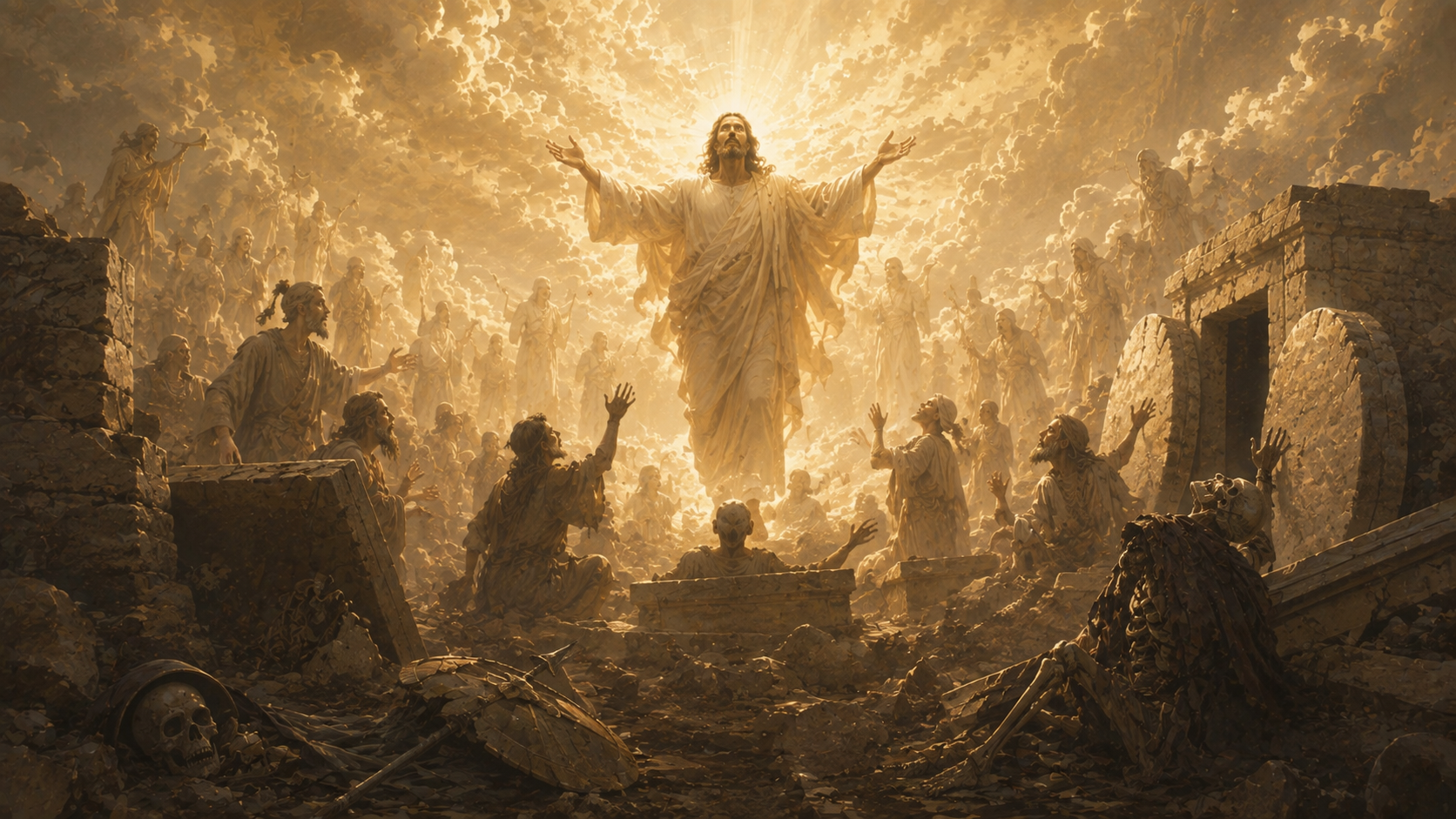
What Does “Death Is Swallowed Up in Victory” Mean?
Paul’s declaration that “death is swallowed up in victory” stands at the climax of 1 Corinthians 15. It joins Isaiah’s promise, Hosea’s taunt against death, Christ’s resurrection, the transformation of believers, and the final destruction of the last enemy.
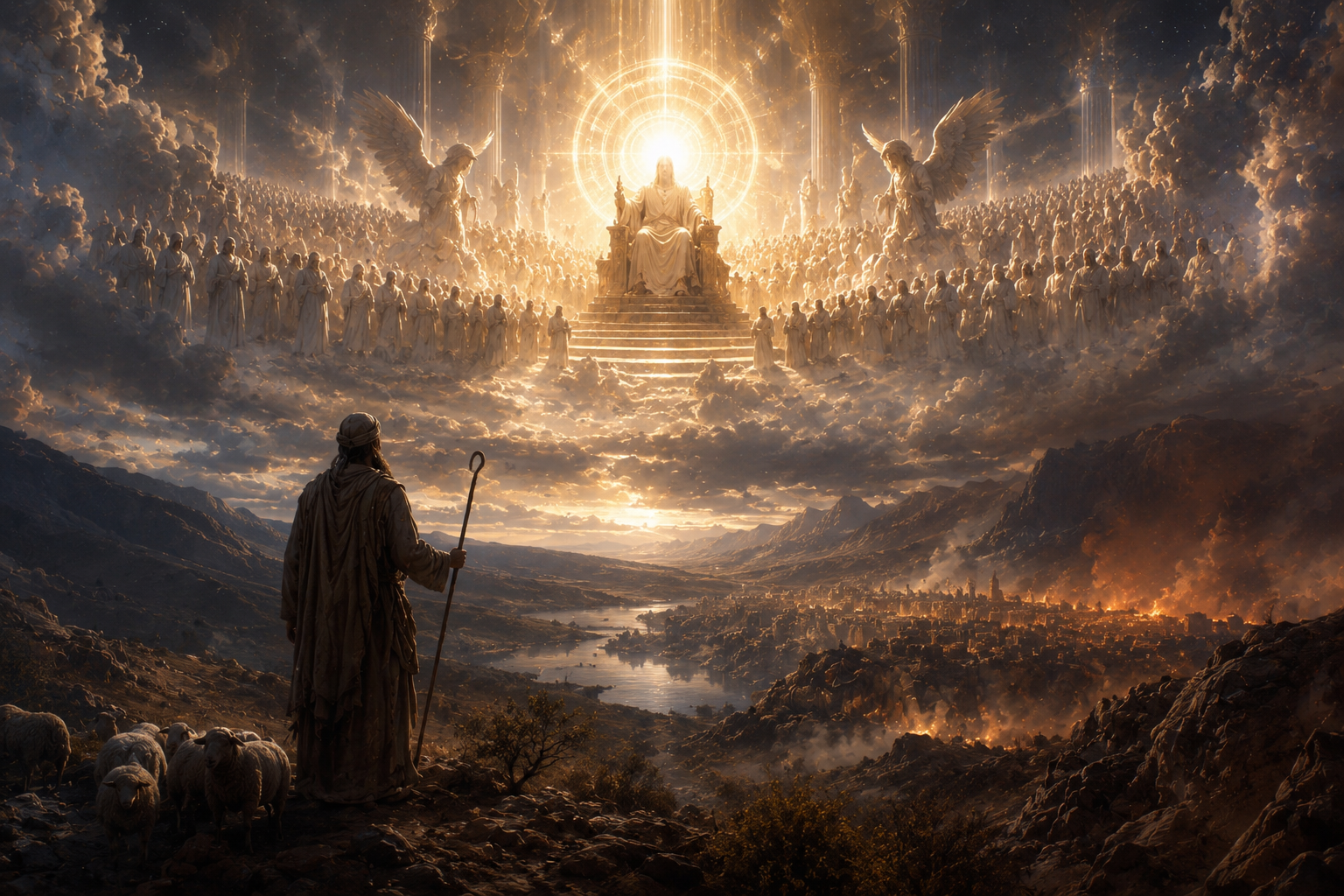
What Are the New Heavens and New Earth? The Final Restoration of Creation
The Bible’s final hope is not humanity escaping creation forever. Isaiah, Peter, and Revelation point toward new heavens and a new earth in which God dwells with His people, the curse is removed, the Tree of Life returns, and the nations walk in divine light.

Why Does the Bible Call Yahweh “God of gods”?
Calling Yahweh “God of gods” does not make Him one deity among equals. The phrase assumes a populated spiritual realm while declaring Yahweh’s absolute supremacy as Creator, Most High, and King over every elohim.

Who Is the Morning Star in the Bible? Jesus, Isaiah 14, and the Meaning of the Image
The “morning star” image appears in passages associated with both the proud rebel of Isaiah 14 and Jesus in Revelation 22. The shared celestial image does not make the figures identical. Scripture uses the morning star as a symbol whose meaning changes with context: arrogant ascent in Isaiah, royal dawn and victory in Christ.

Cherubim vs. Seraphim: What Is the Difference in the Bible?
Cherubim and seraphim are often blended together in Christian art, but the Bible describes them differently. This study compares Eden, the ark, Ezekiel's cherubim, Isaiah's six-winged seraphim, and their roles around God's throne.

Why Does Isaiah 24 Say God Will Punish the Host of Heaven?
Isaiah 24 does not stop with earthly kings. It says the LORD will punish the host of heaven in heaven, gather them as prisoners, and judge them after many days. This study explains why the scene belongs to the Bible's larger judgment of rebellious powers.

Why Did God Send a Lying Spirit to Ahab? Inside the Heavenly Council of 1 Kings 22
Why would God authorize a lying spirit in 1 Kings 22? This study reads the entire Ahab narrative, Micaiah's heavenly-council vision, the spirit's proposal, and the crucial fact that Ahab hears the truth before battle.

What Is the Book of Life in the Bible? From “Names Written in Heaven” to Final Judgment
The Book of Life appears from Moses to Revelation. This study traces God's book, the book of the living, Daniel's resurrection scene, Jesus' words about names written in heaven, and the final judgment in Revelation 20.

What Is Gehenna in the Bible? Why It Is Not the Same as Hades
Gehenna is often translated hell, but it is not the same biblical term as Hades. This study traces the Valley of Hinnom, Jeremiah's judgment imagery, Jesus' warnings, Isaiah 66, and the final defeat of Death and Hades.

What Is Abraham’s Bosom? Understanding Luke 16, Sheol, and the Realm of the Dead
What is Abraham's bosom in Luke 16? This study explains the image of Lazarus at Abraham's side, its relationship to Hades and Sheol, the great chasm, and why the passage is about more than afterlife geography.

What Does El Elyon Mean? Why God Is Called “the Most High”
El Elyon means God Most High, but the title carries more than a simple definition. This study traces it through Melchizedek, Deuteronomy 32, Psalm 82, Daniel, and the Gospel title Son of the Most High.

What Does Yahweh Sabaoth Mean? Why God Is Called the LORD of Hosts
Yahweh Sabaoth is usually translated LORD of hosts, but what are the hosts? This study traces the Hebrew term through Hannah, David, Isaiah's throne vision, the heavenly host, and the New Testament.

What Is Hades in the Bible? The New Testament Realm of the Dead
The New Testament uses Hades for the realm of the dead, but English translations and popular speech often blur Hades together with Gehenna, the abyss, and final judgment. This study traces Hades from its Old Testament background in Sheol to Christ's resurrection and Revelation's final defeat of Death and Hades.

Who Are the Four Living Creatures in the Bible? Ezekiel, Cherubim, and the Throne of God
Ezekiel sees four living creatures beneath God's throne, each with multiple faces, wings, fire, and astonishing movement. Later he identifies them as cherubim. Revelation returns to the same throne world while blending Ezekiel's imagery with Isaiah's seraphim.

What Does Ezekiel’s “Wheel Within a Wheel” Mean?
Ezekiel's wheels are among the strangest images in Scripture: wheels intersecting wheels, rims full of eyes, and movement that follows the living creatures without turning. This study reads the vision as part of Yahweh's mobile throne rather than isolating it as a mysterious machine.

Who Is the Ancient of Days in Daniel 7?
Daniel 7 presents a fiery heavenly courtroom where the Ancient of Days takes His seat, books are opened, empires are judged, and one like a Son of Man receives an everlasting kingdom. This study asks who the Ancient of Days is and why the distinction between Him and the Son of Man matters.

What Are Seraphim in the Bible? The Fiery Beings Around God’s Throne
Isaiah saw six-winged beings above the throne of God crying, 'Holy, holy, holy.' This study examines what Scripture actually says about the seraphim, what their name may suggest, why fire and purification surround their ministry, and how they differ from other heavenly beings.

What Is Sheol in the Bible? Understanding the Biblical Realm of the Dead
English Bibles translate Sheol in several ways, which can make the Old Testament's language of death difficult to follow. This study traces Sheol as the biblical realm of the dead, its connection with the Rephaim or shades, and its relationship to Hades in the New Testament.

What Does Satan Mean in Hebrew? From Adversary to Accuser
Satan was not originally an unexplained English name. The Hebrew word means adversary or opponent and develops into the biblical title of the supernatural accuser who stands against God’s people.

If No One Has Seen God, How Did People See God in the Old Testament?
Jacob said he saw God face to face. Moses encountered God in fire and glory. Yet Scripture says no one has seen God. The apparent contradiction disappears when the Bible’s own category of divine manifestation is understood.