ROMAN HERITAGE PRESS RESOURCES
THE SUPERNATURAL BIBLE LIBRARY
Research-based articles and podcast exploring Scripture’s most difficult and overlooked passages through biblical theology, ancient context, and careful textual study.
Discover the connections between the divine council, the sons of God, the Watchers, the Nephilim, the gods of the nations, and the victory of Jesus Christ over the powers of darkness.
LATEST RESEARCH
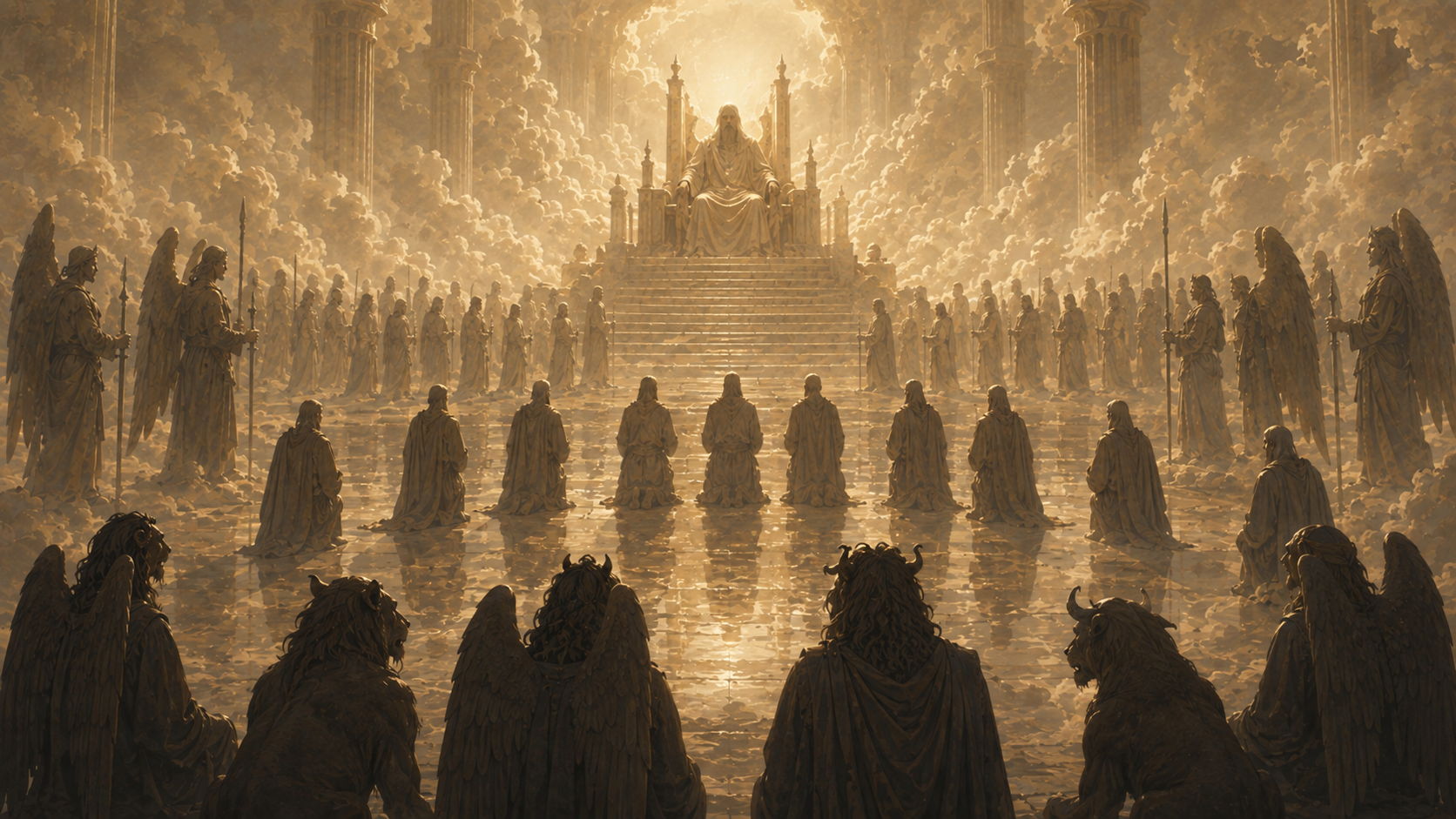
Who Is the Ancient of Days in Daniel 7?
Daniel 7 presents a fiery heavenly courtroom where the Ancient of Days takes His seat, books are opened, empires are judged, and one like a Son of Man receives an everlasting kingdom. This study asks who the Ancient of Days is and why the distinction between Him and the Son of Man matters.
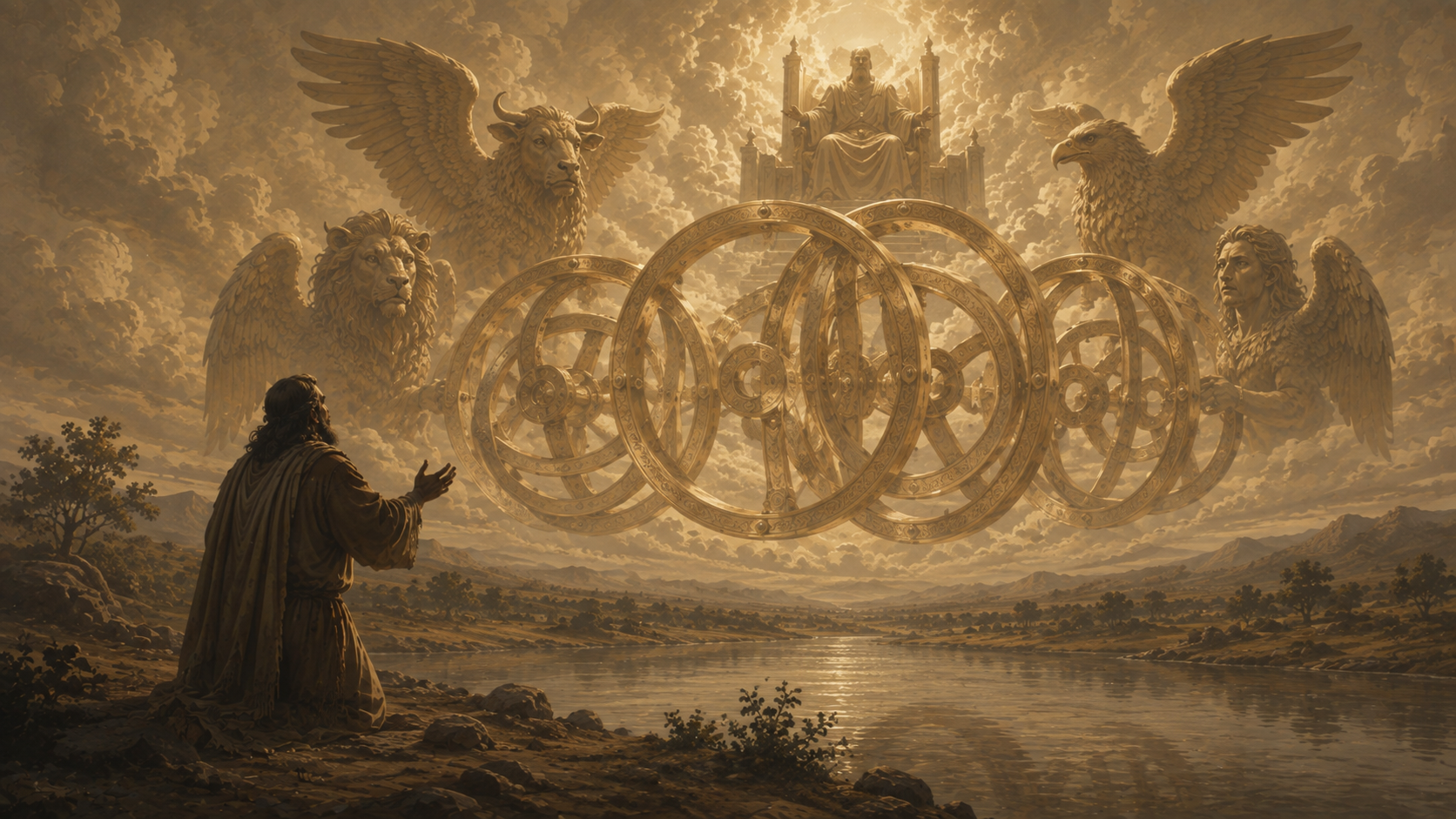
What Are Seraphim in the Bible? The Fiery Beings Around God’s Throne
Isaiah saw six-winged beings above the throne of God crying, 'Holy, holy, holy.' This study examines what Scripture actually says about the seraphim, what their name may suggest, why fire and purification surround their ministry, and how they differ from other heavenly beings.
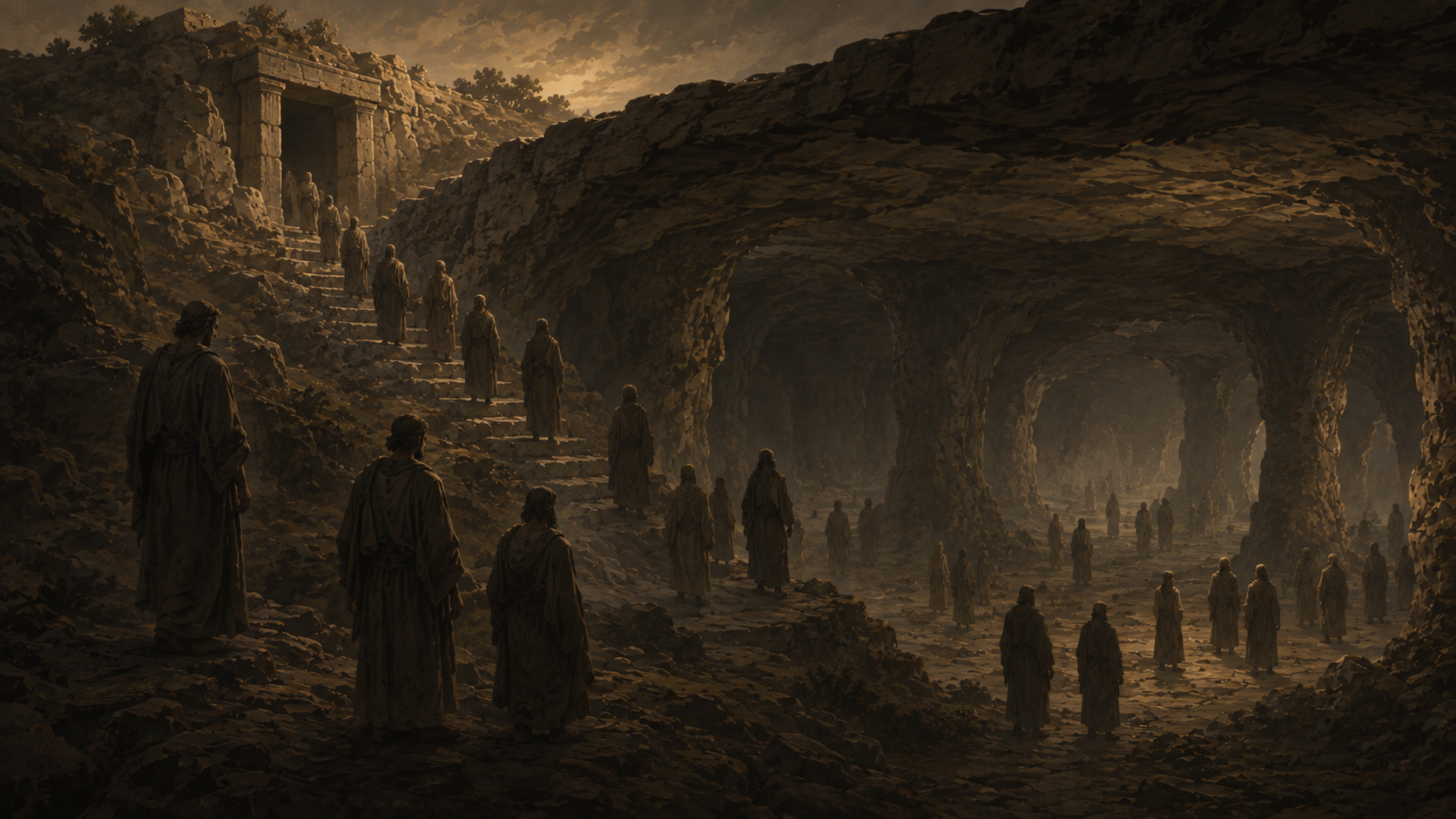
What Is Sheol in the Bible? Understanding the Biblical Realm of the Dead
English Bibles translate Sheol in several ways, which can make the Old Testament's language of death difficult to follow. This study traces Sheol as the biblical realm of the dead, its connection with the Rephaim or shades, and its relationship to Hades in the New Testament.
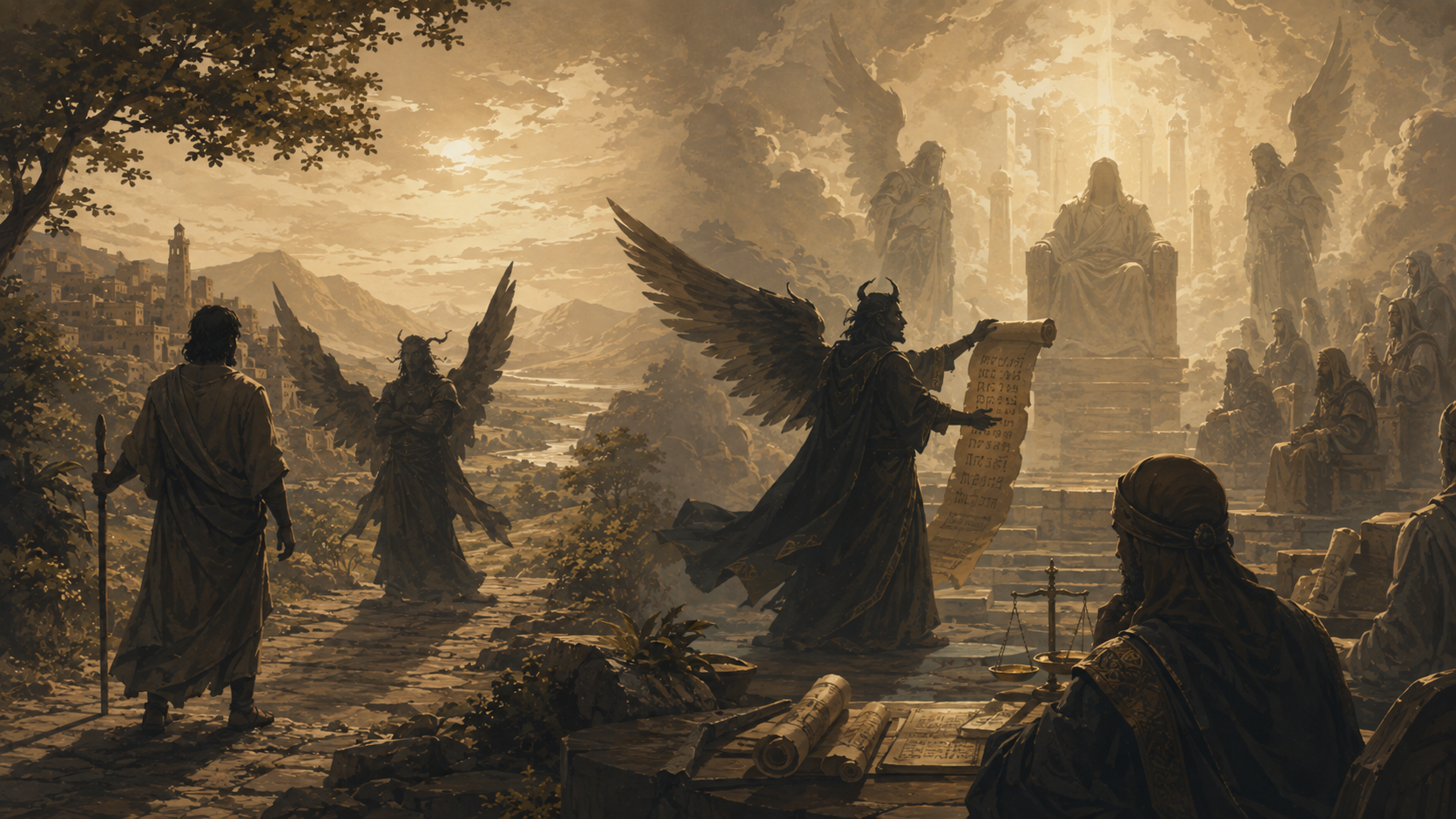
What Does Satan Mean in Hebrew? From Adversary to Accuser
Satan was not originally an unexplained English name. The Hebrew word means adversary or opponent and develops into the biblical title of the supernatural accuser who stands against God’s people.
If No One Has Seen God, How Did People See God in the Old Testament?
Jacob said he saw God face to face. Moses encountered God in fire and glory. Yet Scripture says no one has seen God. The apparent contradiction disappears when the Bible’s own category of divine manifestation is understood.
Why Does the Bible Use Stars as Images of Heavenly Beings?
Are stars angels in the Bible? Explore Job 38, the host of heaven, Daniel 8, and Revelation to understand why Scripture uses star imagery for heavenly beings.
Why Was Satan Allowed to Stand Before God in the Book of Job?
If Satan is God’s enemy, why does Job show him standing before the LORD? The heavenly prologue reveals an adversary who is dangerous but never sovereign.
Who Is Michael the Archangel in the Bible? Daniel, Jude, and the Heavenly Conflict
Michael appears in Daniel, Jude, and Revelation at crucial moments of heavenly conflict. Scripture presents him as a chief prince and archangel—but does it ever identify him with Christ?
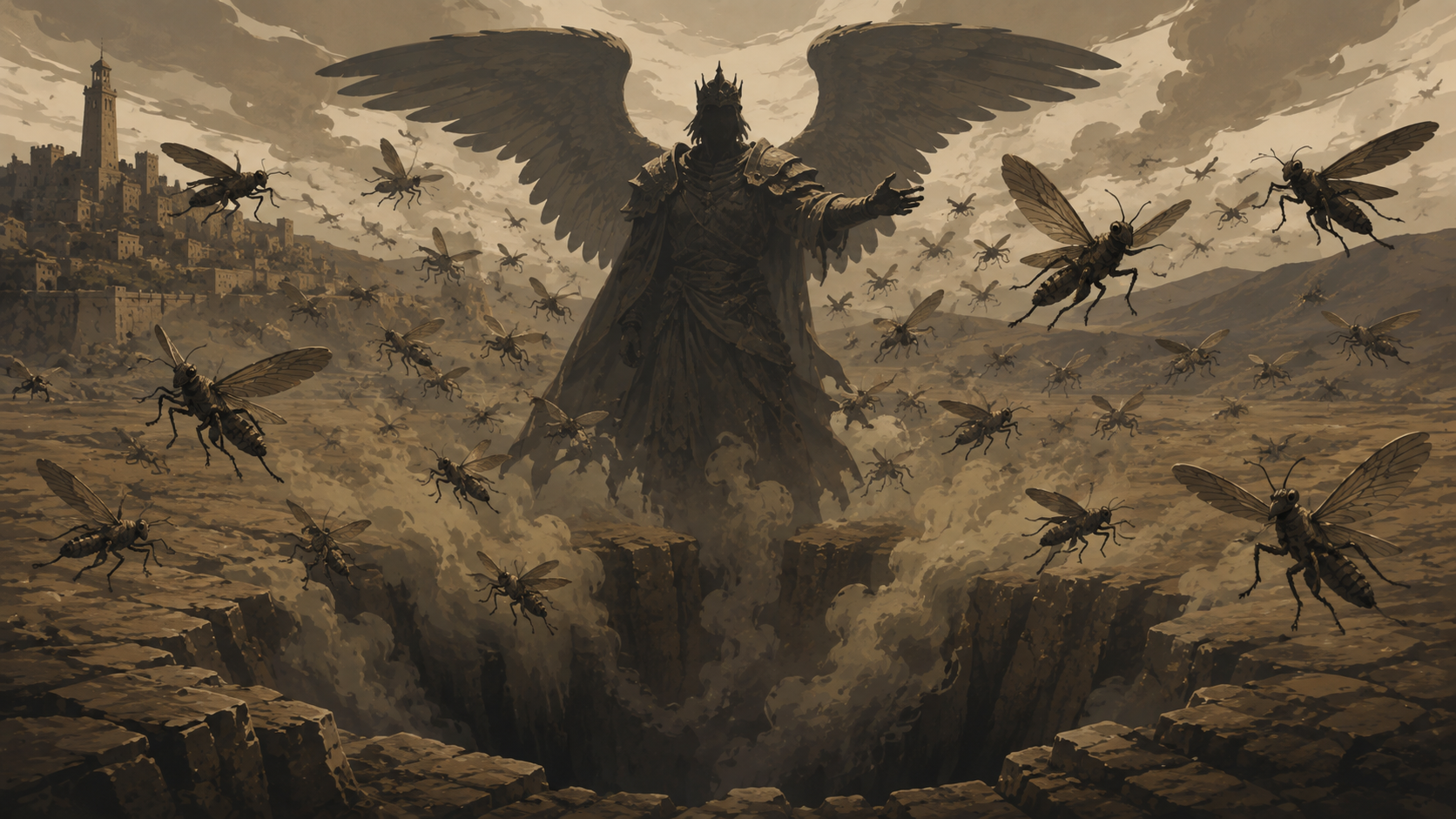
Who Is Abaddon or Apollyon? The Angel of the Bottomless Pit in Revelation 9
Revelation 9 names the angelic king of the abyss twice: Abaddon in Hebrew and Apollyon in Greek. What do the names mean, and does the Bible actually identify this ‘Destroyer’ with Satan?
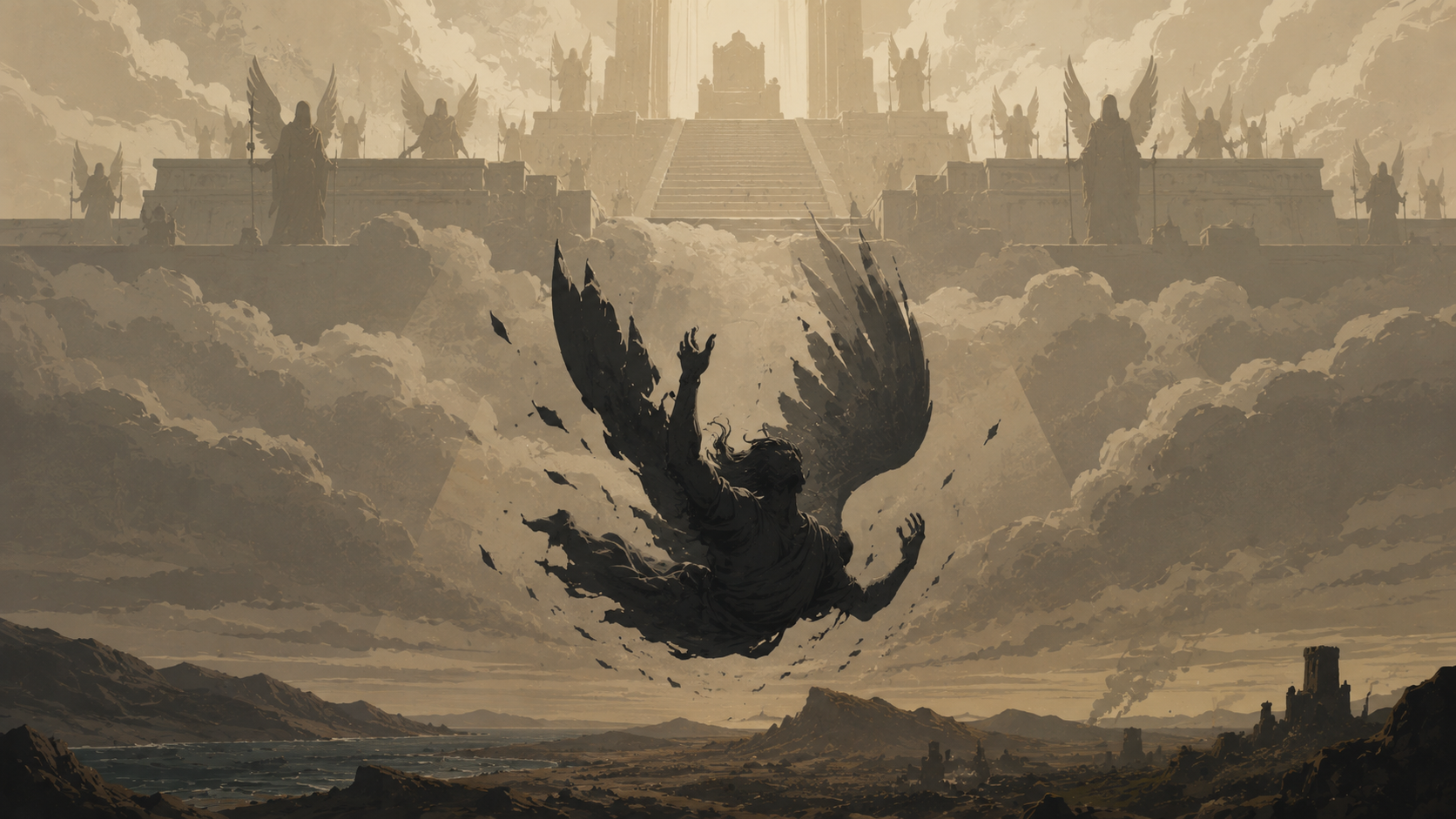
When Did Satan Fall From Heaven? What the Bible Reveals About the First Rebellion
Isaiah, Ezekiel, Jesus, and Revelation all describe a heavenly fall—but not necessarily the same moment. A careful biblical timeline distinguishes Satan’s original rebellion from later losses of authority and final judgment.
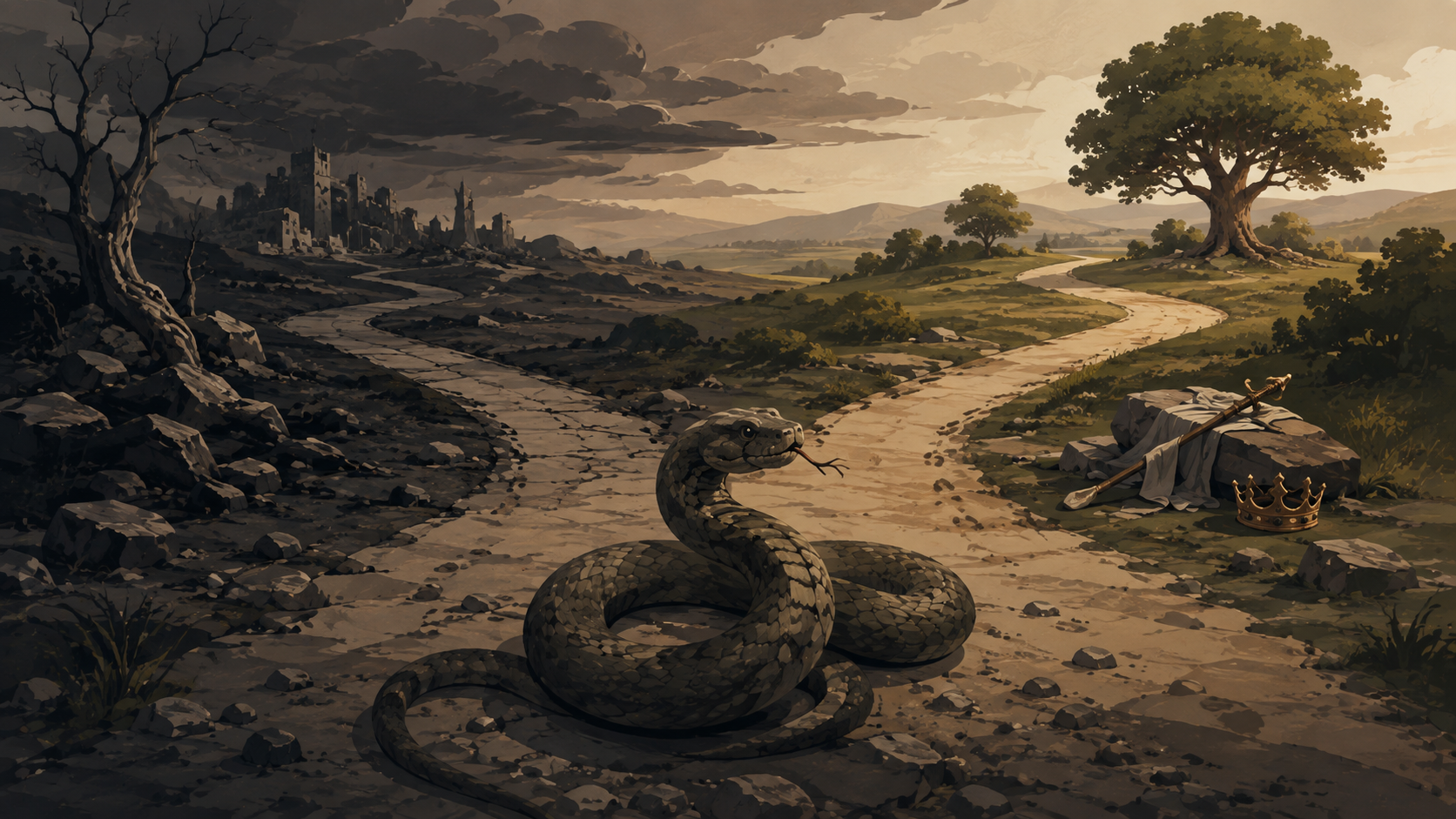
What Does 'The Seed of the Serpent' Mean in Genesis 3:15?
Genesis 3:15 promises a coming Seed of the woman who will crush the serpent, but the verse also speaks of the serpent's seed. That second line opens the Bible's long conflict of allegiance, bloodline, rebellion, covenant, and the promised Messiah.
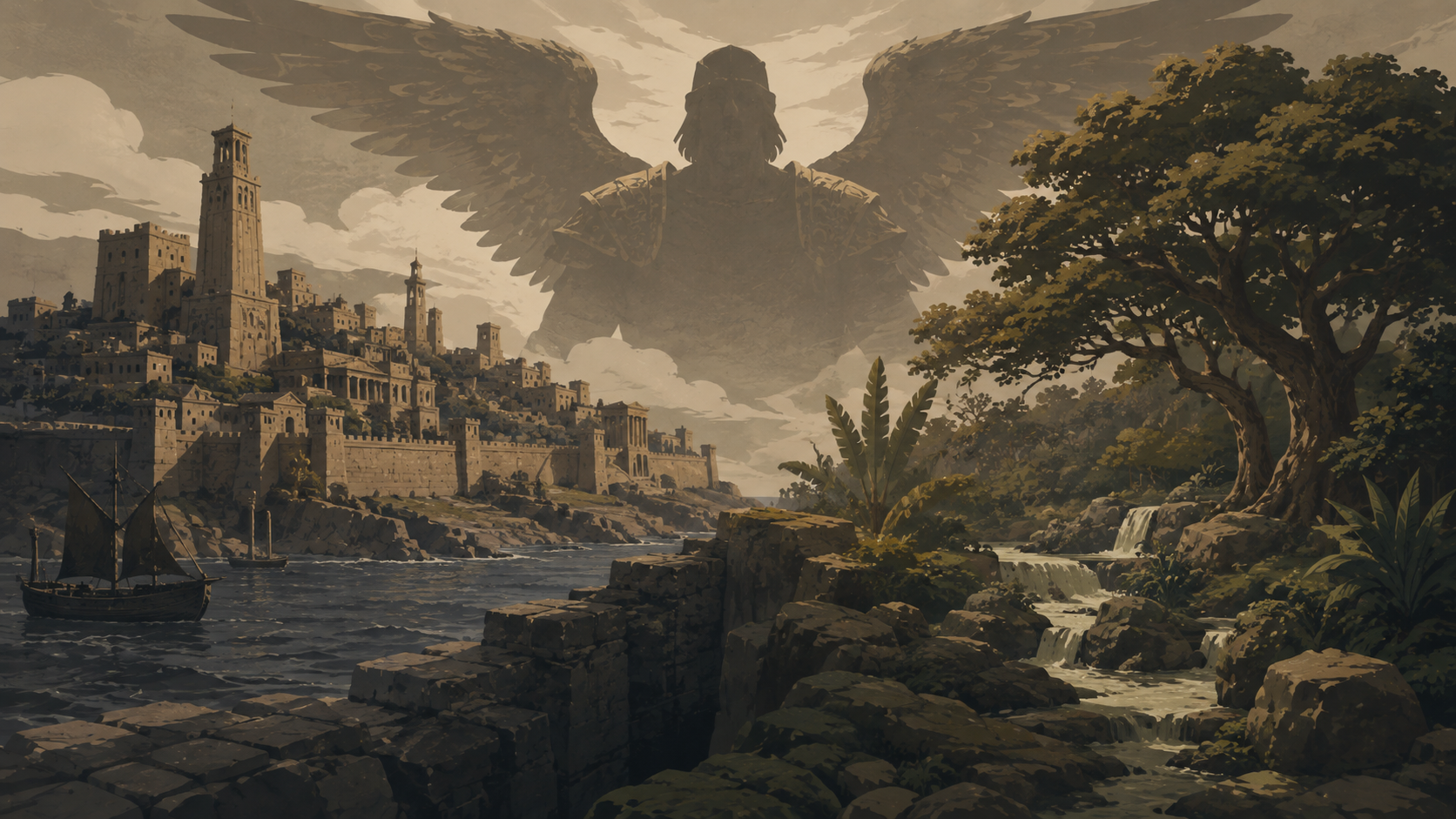
Is Ezekiel 28 About Satan? The King of Tyre, Eden, and the Guardian Cherub
Ezekiel 28 begins with the ruler of Tyre, but the lament soon places its subject in Eden, on the holy mountain of God, as an anointed guardian cherub walking among the stones of fire. The passage opens a window into the first heavenly rebellion.
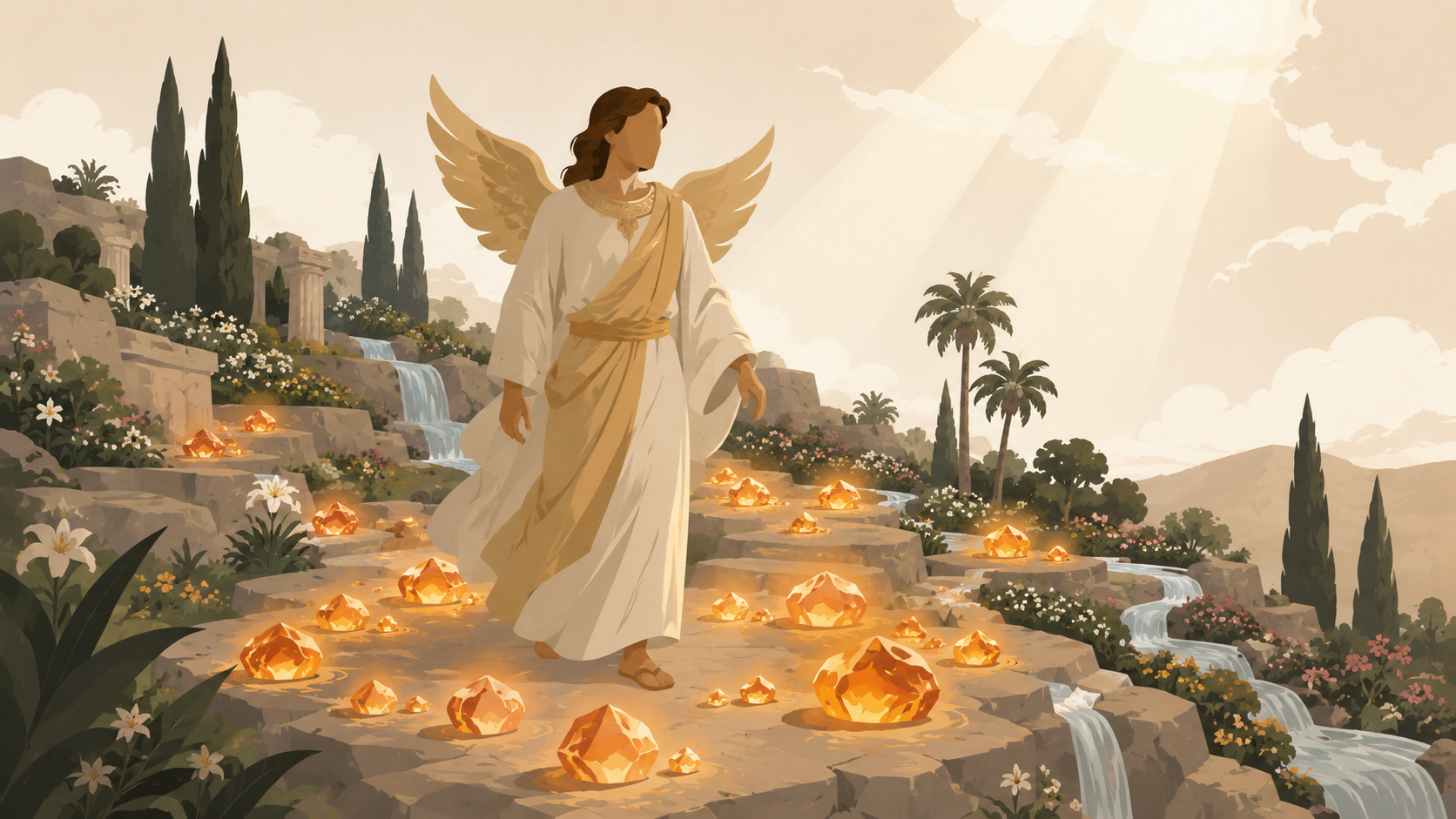
What Are the “Stones of Fire” in Ezekiel 28?
Ezekiel says a guardian cherub walked “in the midst of the stones of fire.” Are these literal jewels, heavenly beings, throne-room imagery—or some combination of these?
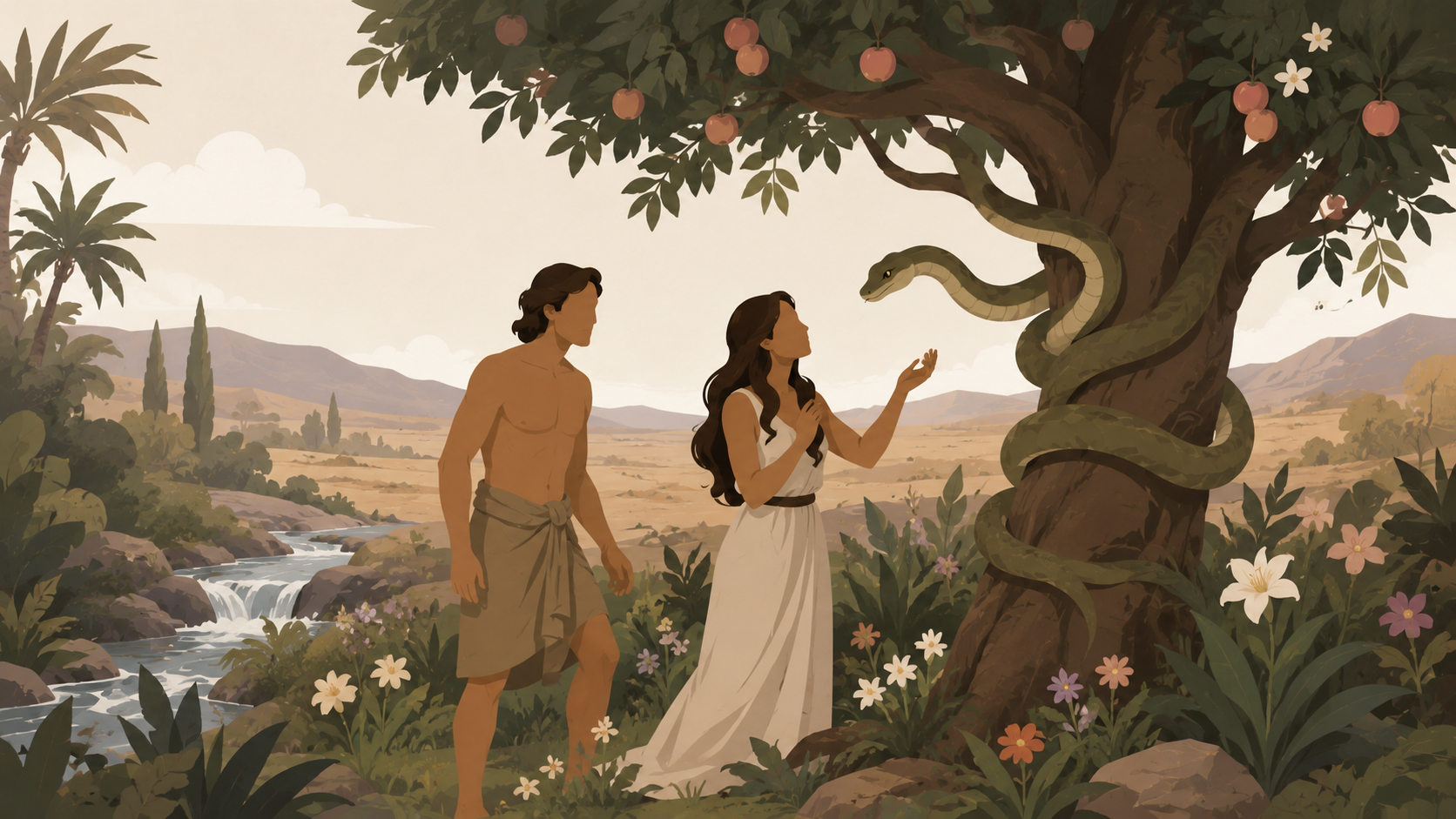
Who Was the Serpent in Eden?
Genesis 3 calls the deceiver a serpent, but later Scripture identifies “the ancient serpent” with the devil and Satan. How should the biblical texts be connected without forcing the Hebrew word to mean more than it does?
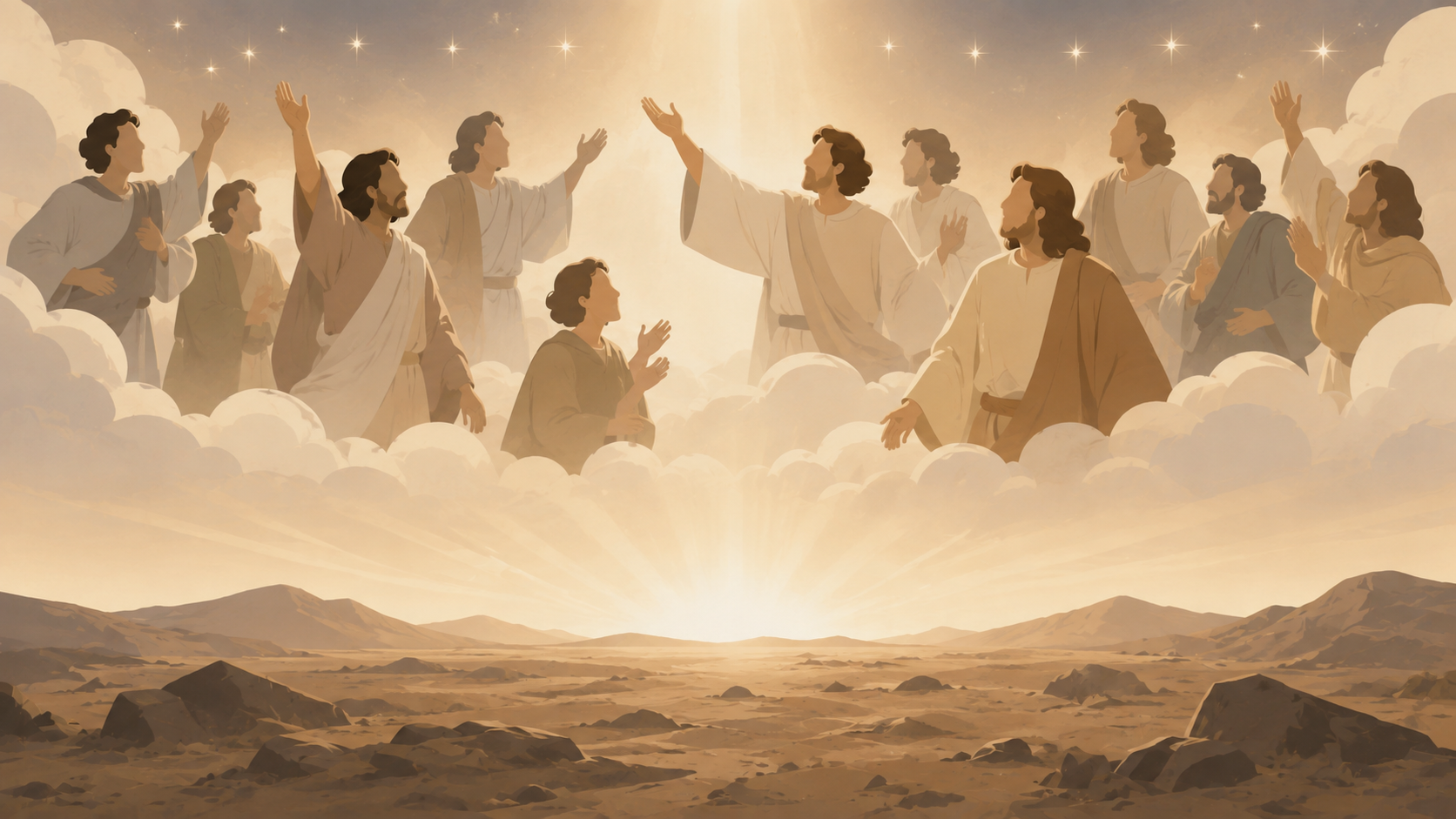
What Are the “Sons of God” in Job 38 Doing at Creation?
Job 38 says the “morning stars” sang and the “sons of God” shouted for joy when God laid the earth’s foundations. Who were these beings, and why does the passage matter?
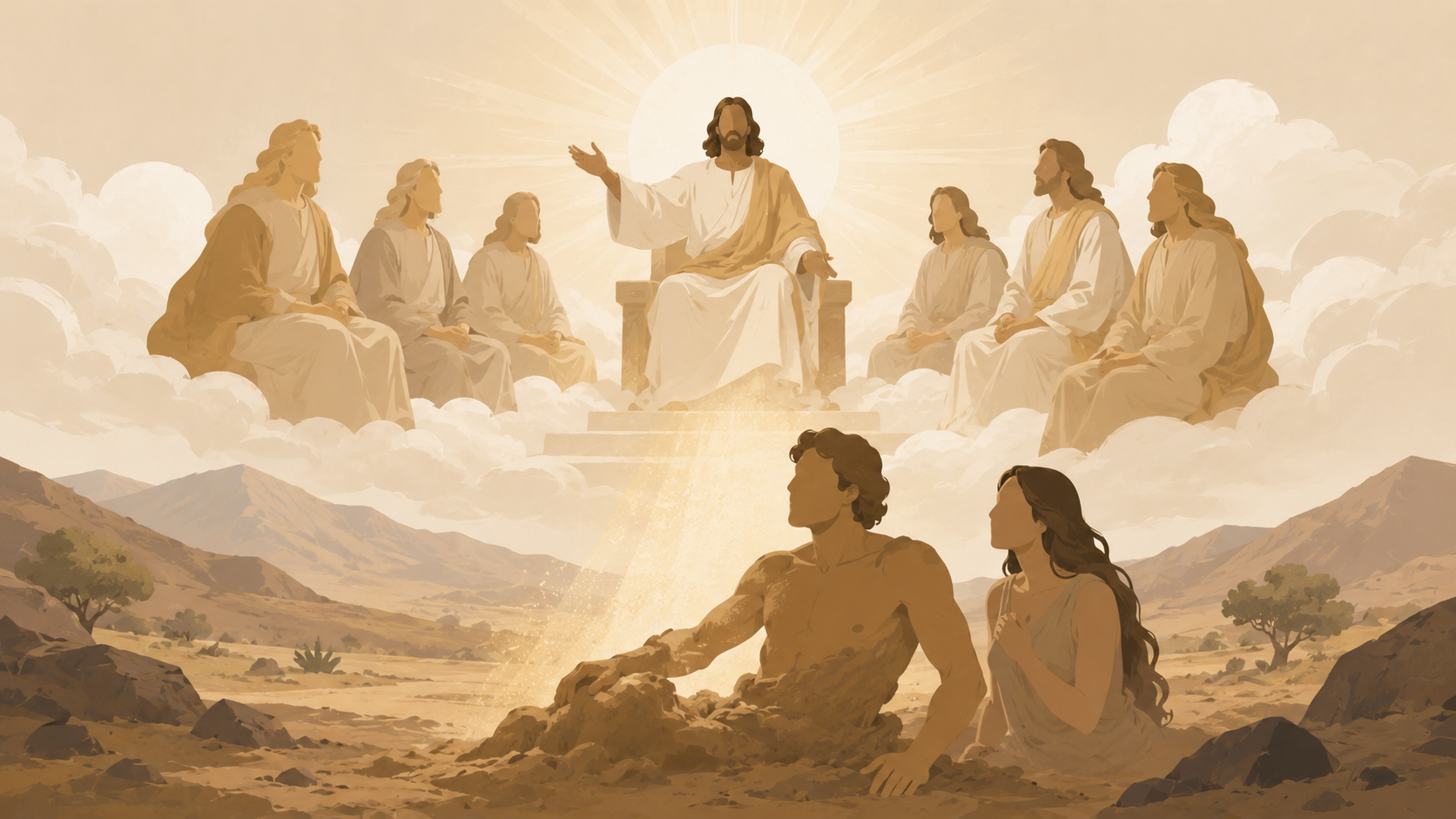
What Did God Mean by “Let Us Make Man in Our Image”?
Who is the “us” in Genesis 1:26? The verse has been read as a hint of the Trinity, a plural of majesty, and speech to a heavenly council. Which reading best fits the ancient context?
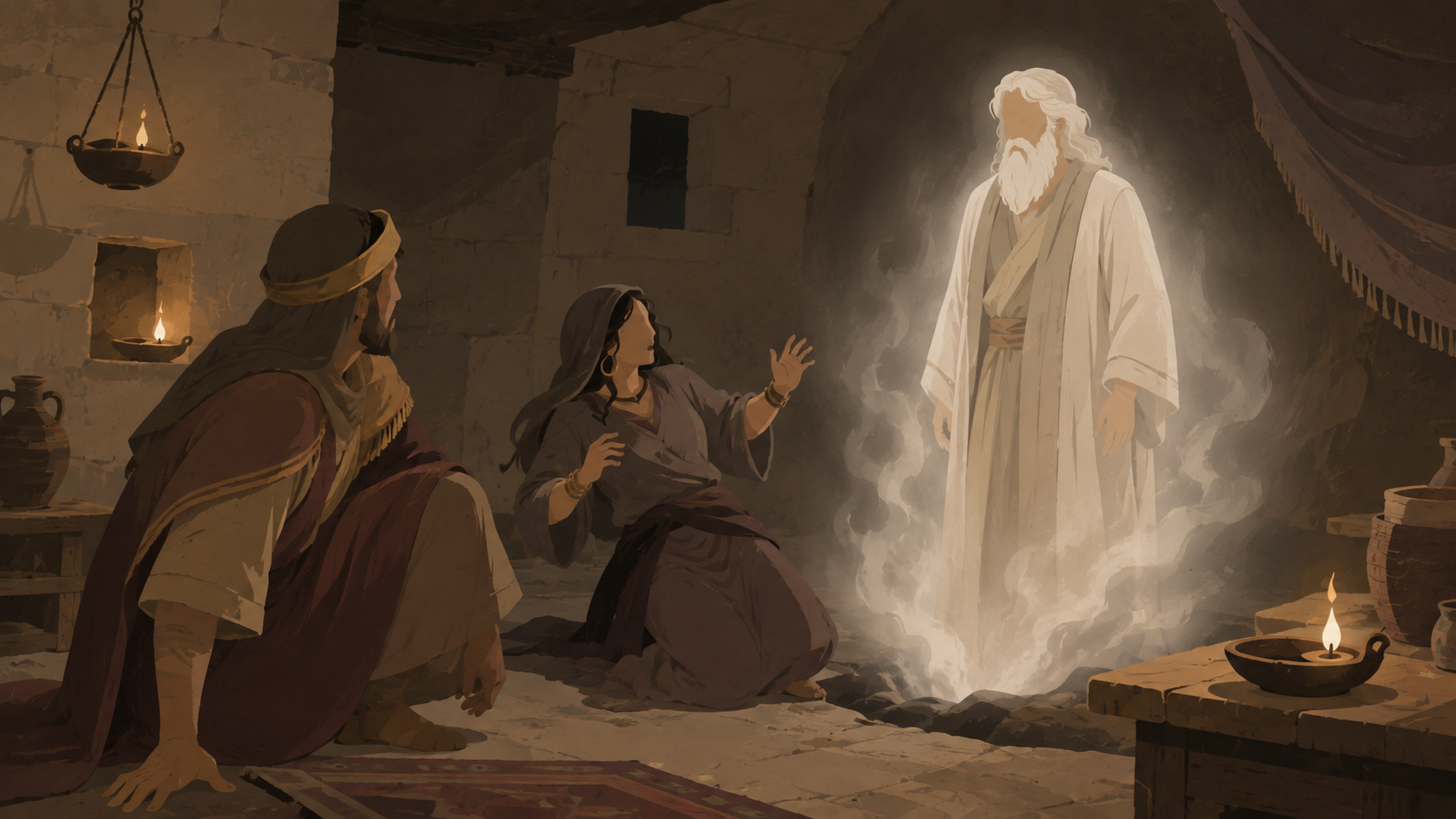
Why Is the Dead Samuel Called an Elohim?
In 1 Samuel 28:13, the medium of Endor says she sees an elohim coming up from the earth—and the figure is Samuel. Why would the Bible use that word for a dead prophet?
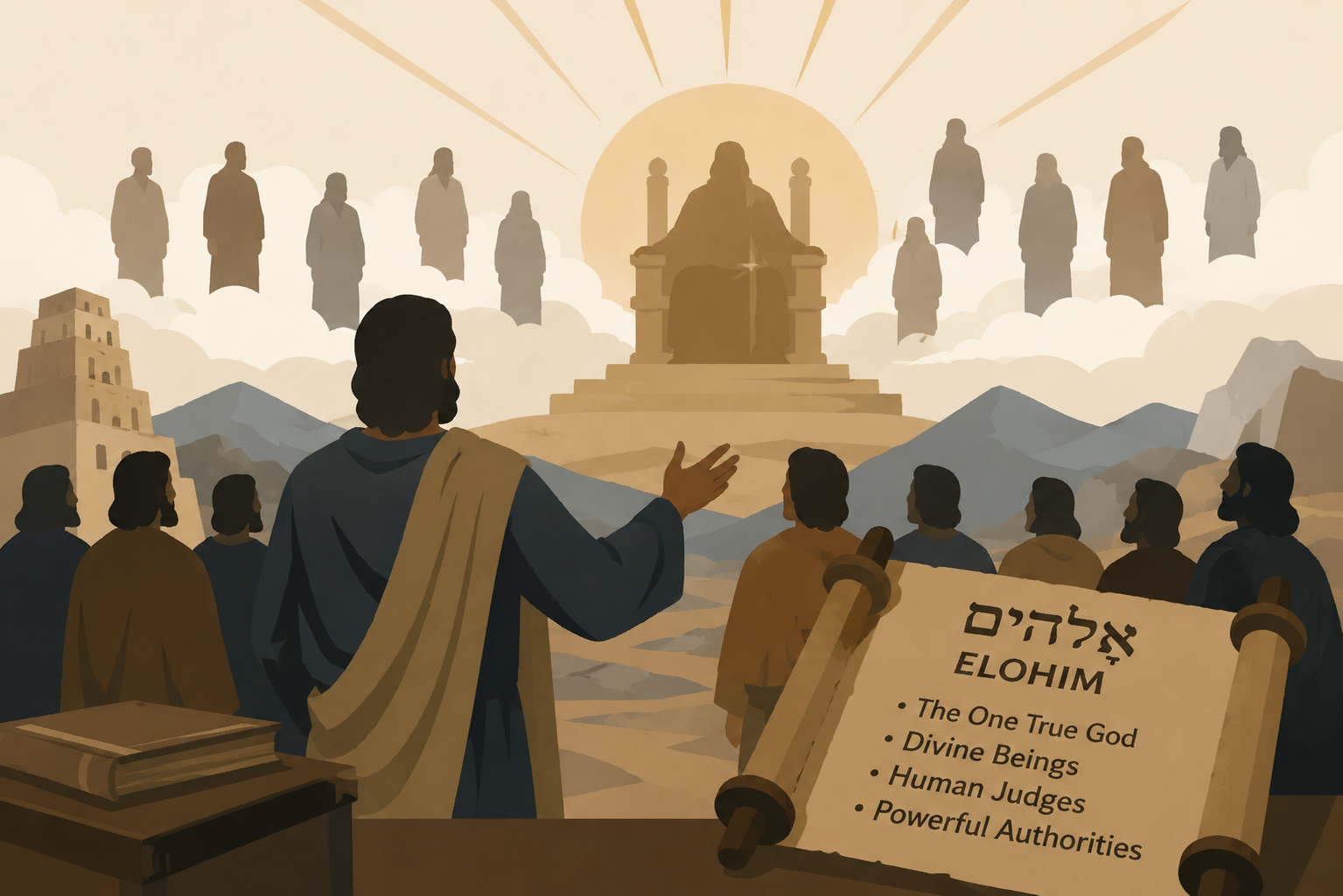
What Does “Elohim” Really Mean in the Bible?
The Hebrew word elohim is often translated “God,” but Scripture uses the same word in several surprising ways. What does the term actually mean, and why does its wider usage not threaten biblical monotheism?
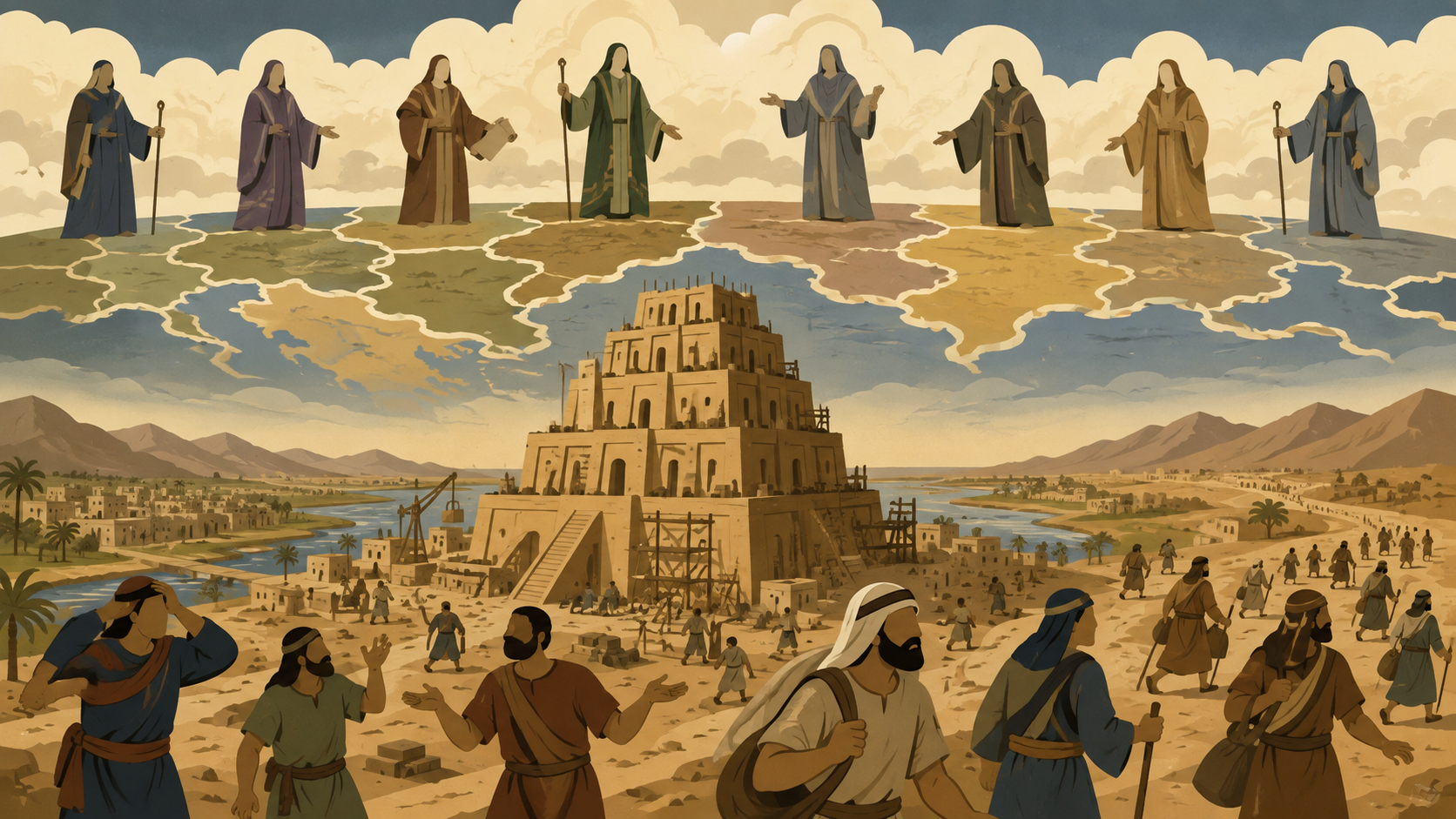
What Really Happened at Babel?
Genesis 11 tells how humanity was scattered at Babel. Deuteronomy 32:8 may reveal another dimension of that event. Why do ancient manuscripts read “sons of God,” and what does that reading tell us about the nations and the unseen realm?
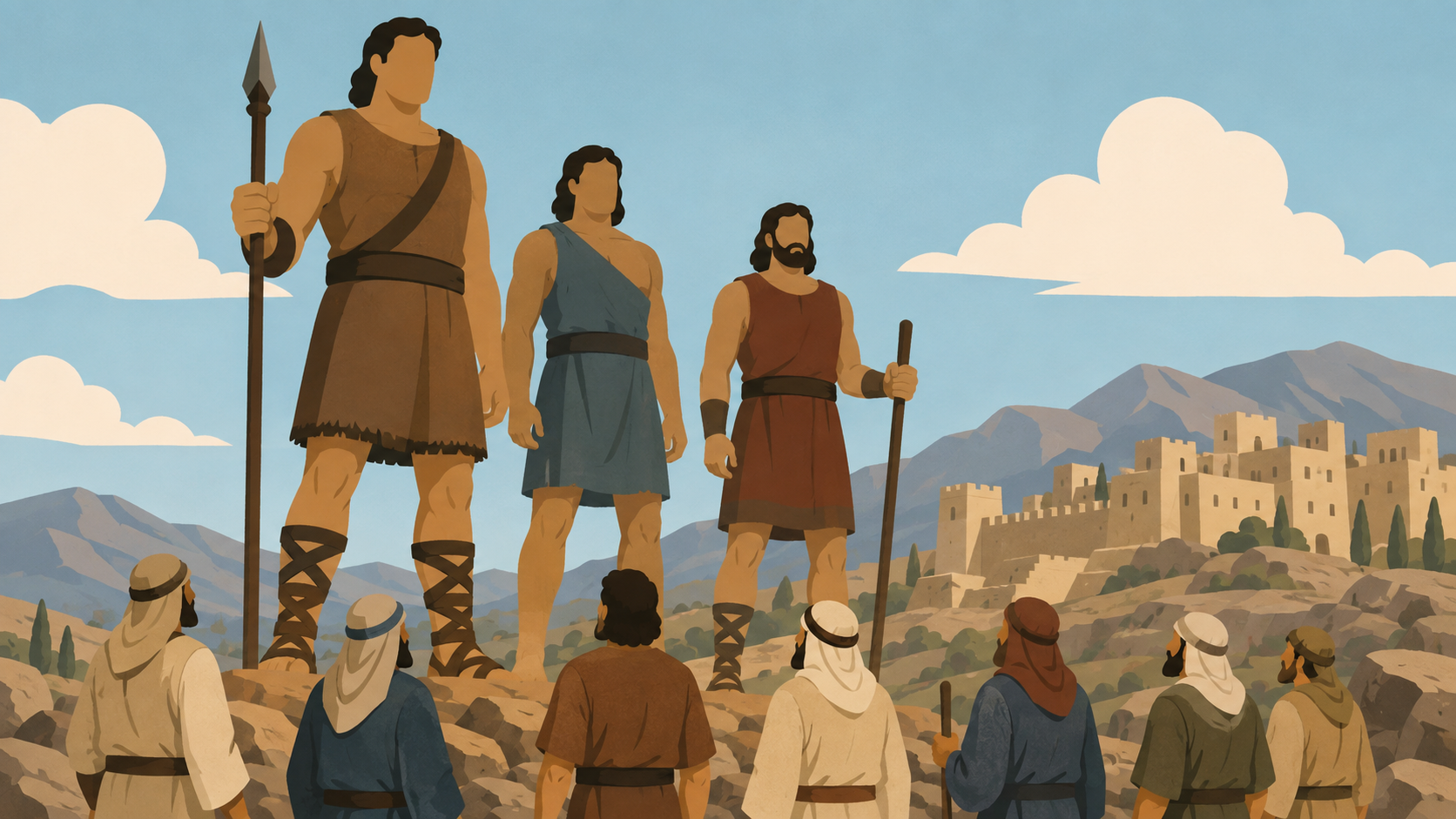
Who Were the Nephilim in the Bible?
Genesis 6 introduces the Nephilim in connection with the sons of God and the daughters of mankind, while Numbers 13:33 later links the same name to the sons of Anak in Canaan. Were the Nephilim simply tall warriors, or does the biblical evidence point to something more unusual?