ROMAN HERITAGE PRESS RESOURCES
THE SUPERNATURAL BIBLE LIBRARY
Research-based articles and podcast exploring Scripture’s most difficult and overlooked passages through biblical theology, ancient context, and careful textual study.
Discover the connections between the divine council, the sons of God, the Watchers, the Nephilim, the gods of the nations, and the victory of Jesus Christ over the powers of darkness.
LATEST RESEARCH
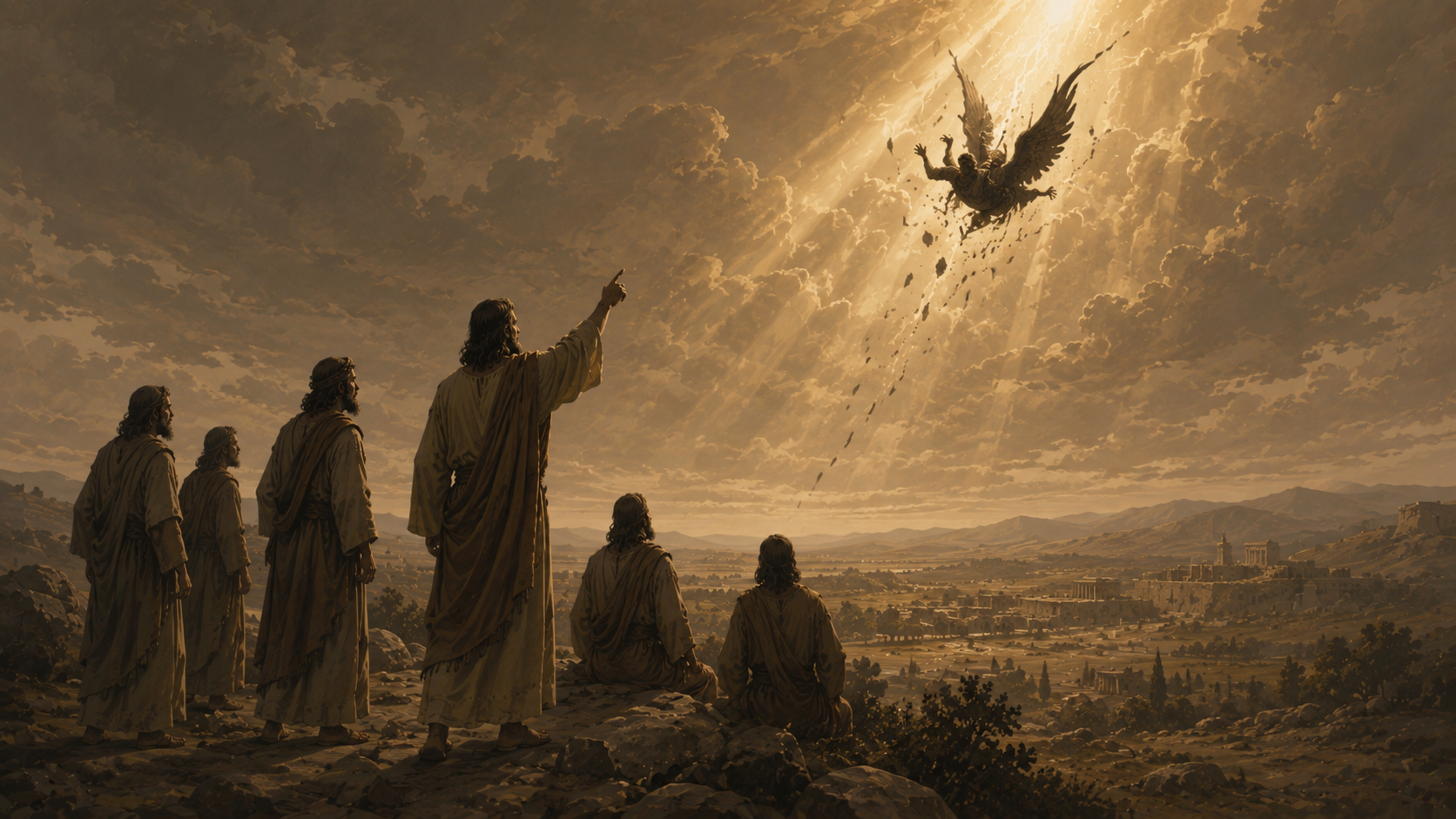
What Did Jesus Mean When He Said, “I Saw Satan Fall Like Lightning”?
Luke 10:18 is often treated as a statement about Satan's first rebellion. Yet Jesus speaks the words immediately after His disciples return amazed that demons submit to His name. This study follows the context of the mission, the fall imagery, the nations, and the advance of God's kingdom.
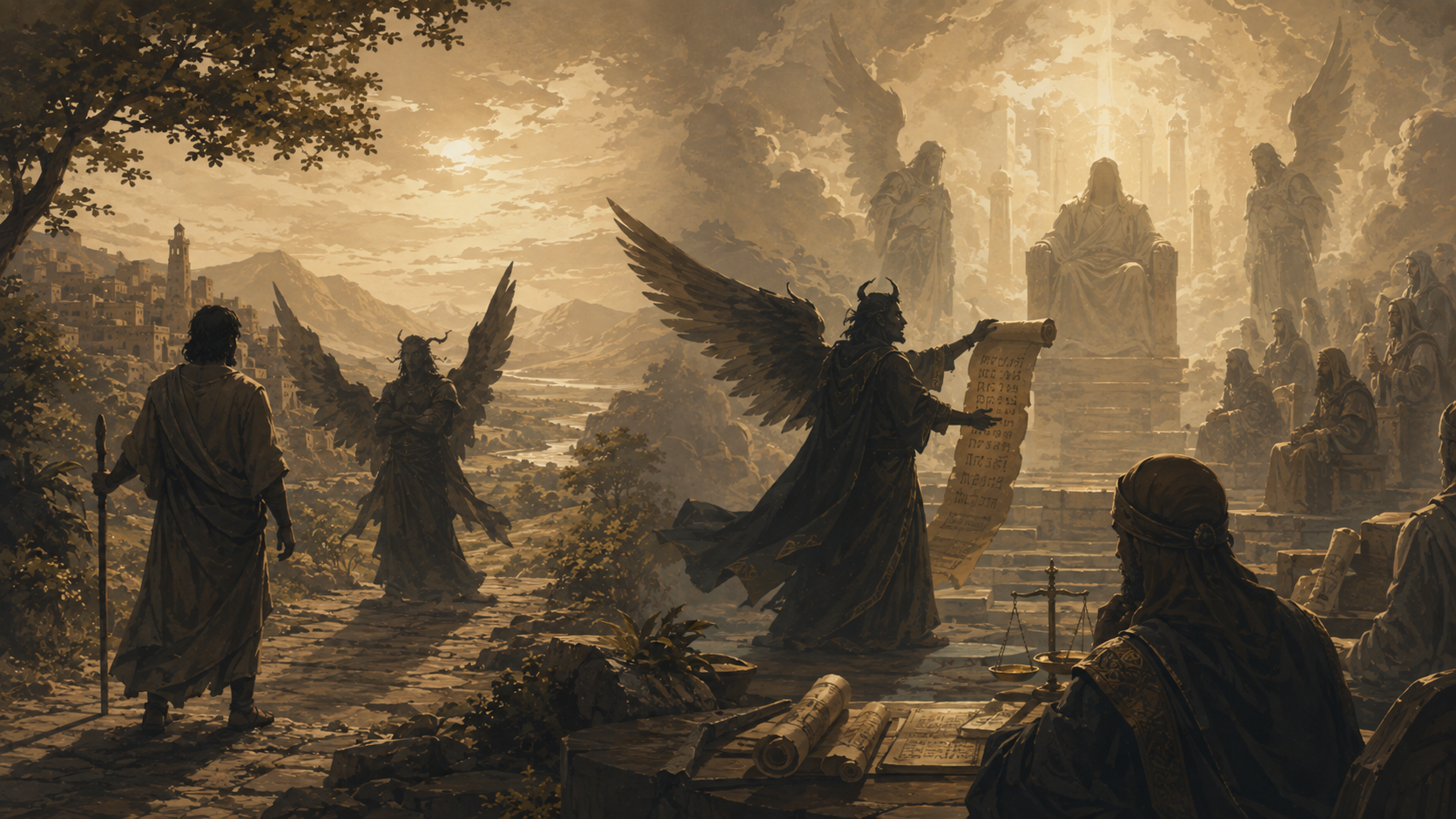
What Does Satan Mean in Hebrew? From Adversary to Accuser
Satan was not originally an unexplained English name. The Hebrew word means adversary or opponent and develops into the biblical title of the supernatural accuser who stands against God’s people.
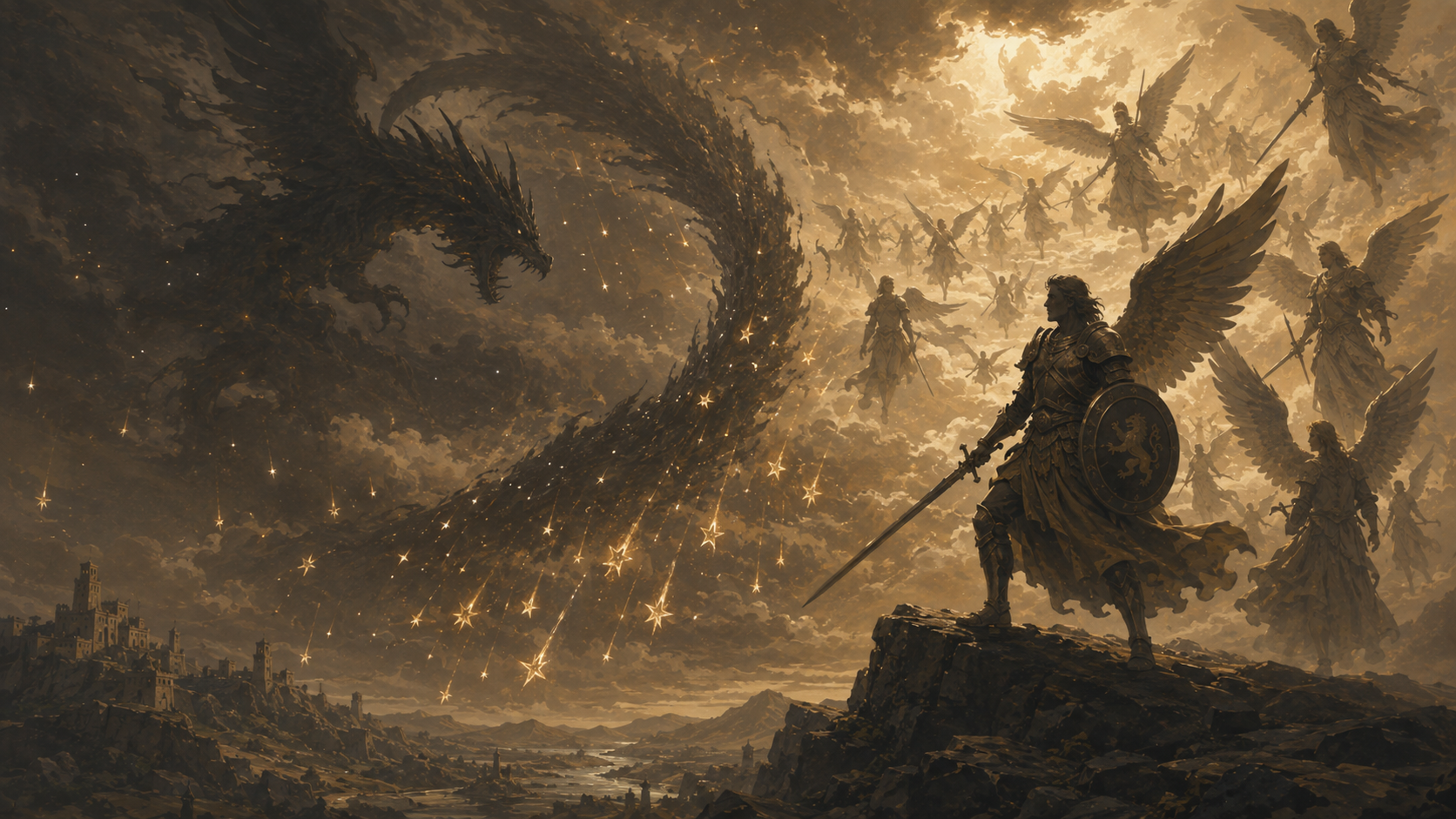
Did One Third of the Angels Fall With Satan? What Revelation 12 Actually Shows
Revelation 12 says the dragon swept down a third of the stars of heaven and later speaks of “his angels.” What does the chapter actually reveal about Satan’s heavenly followers?
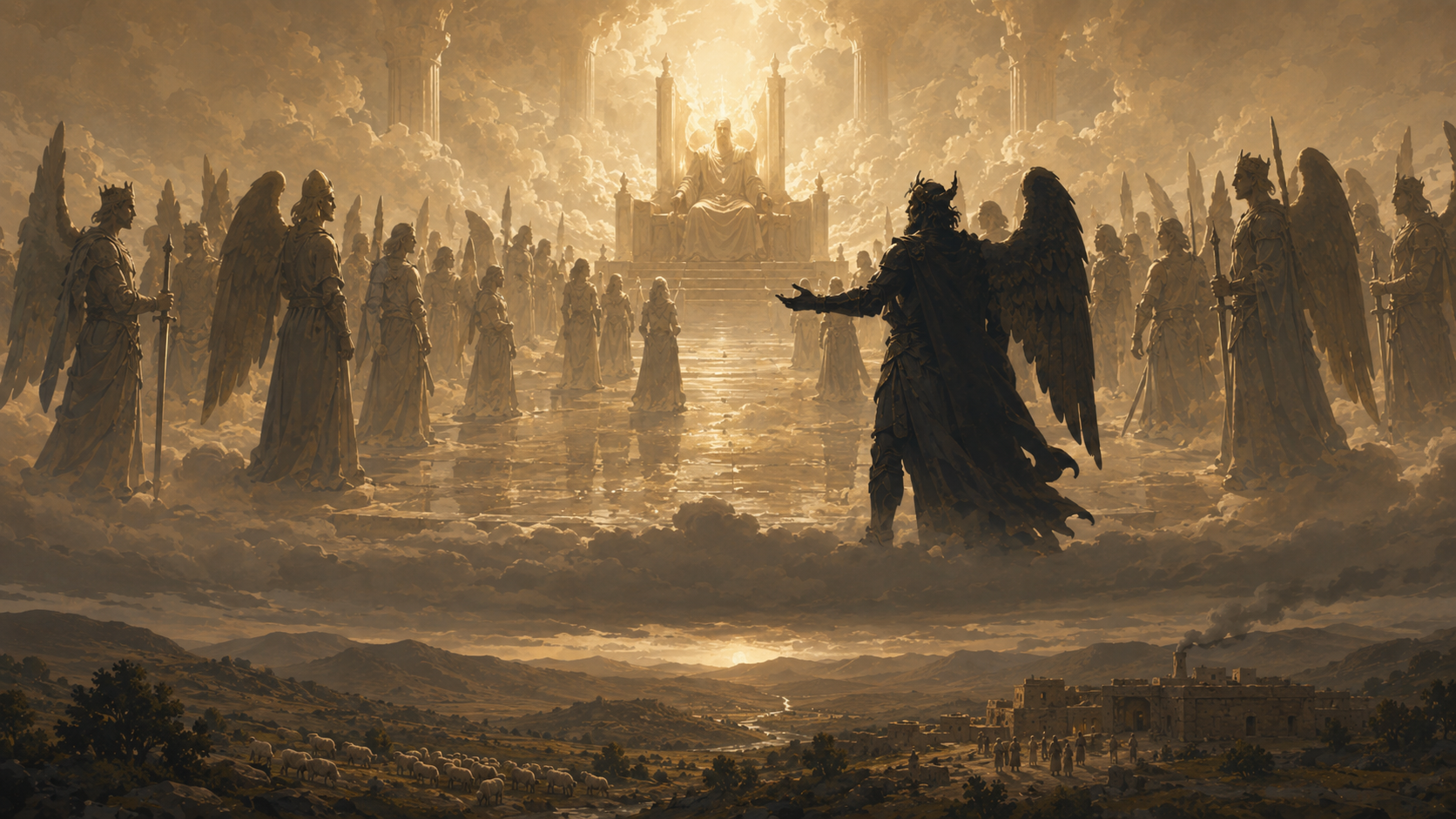
Why Was Satan Allowed to Stand Before God in the Book of Job?
If Satan is God’s enemy, why does Job show him standing before the LORD? The heavenly prologue reveals an adversary who is dangerous but never sovereign.
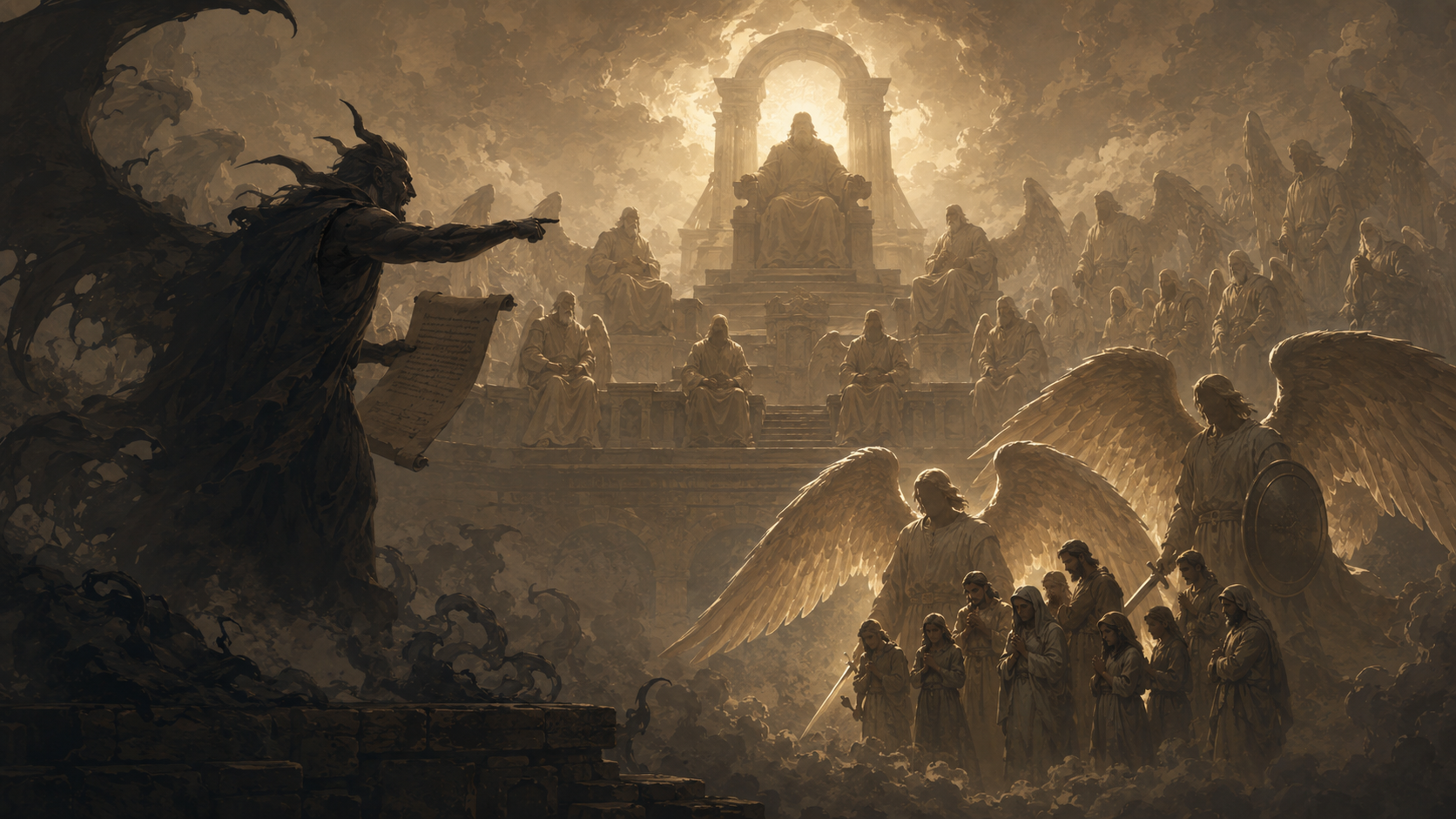
Why Is Satan Called “the Accuser of the Brethren”?
Revelation calls Satan “the accuser of our brothers.” Job and Zechariah show why: the adversary appears in the heavenly court and uses guilt as a weapon against God’s people.
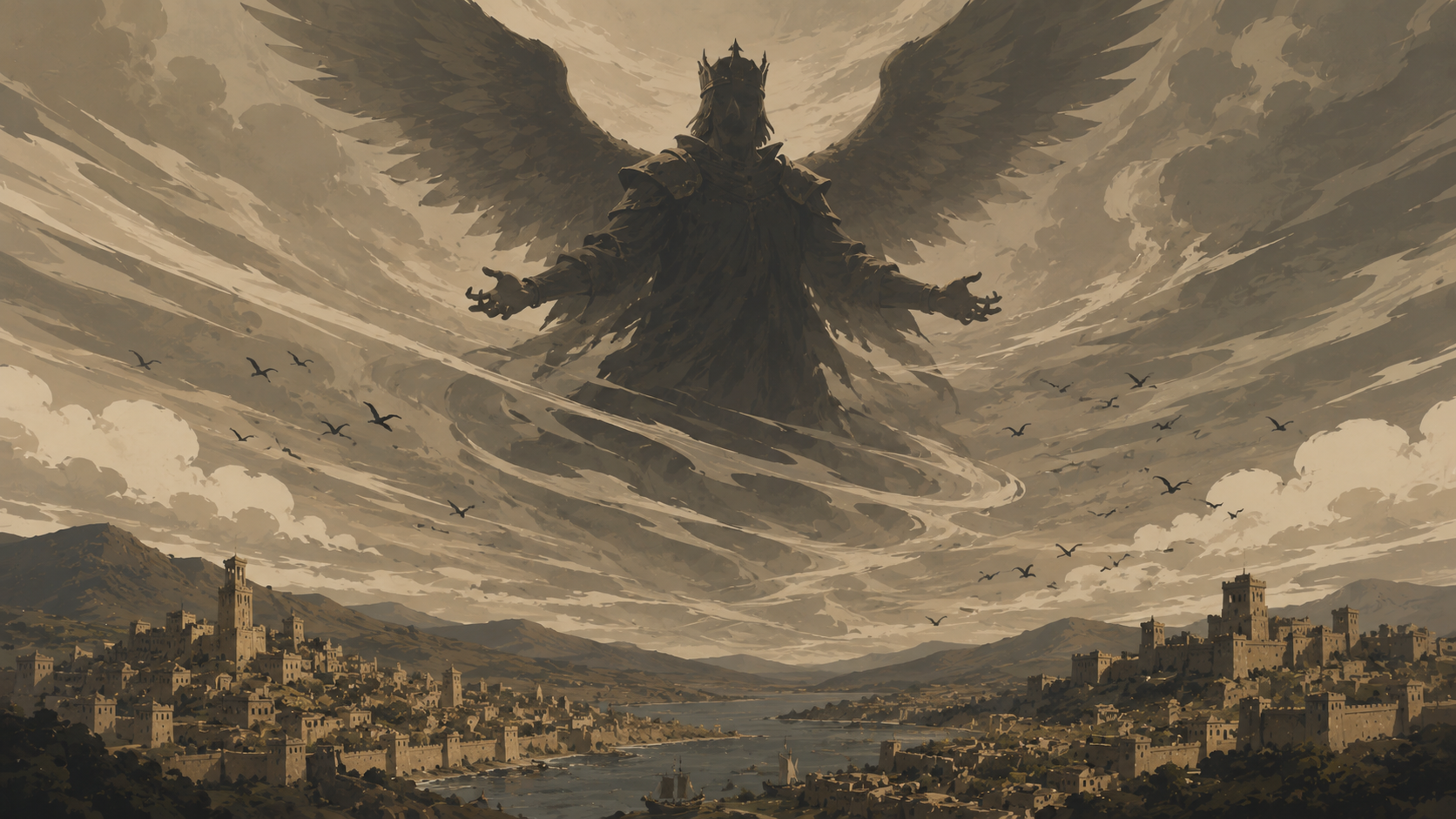
What Did Jesus Mean by ‘the Ruler of This World’?
esus repeatedly calls Satan ‘the ruler of this world,’ yet every occurrence points toward judgment and defeat. John’s Gospel explains both the reality and the limits of that authority.
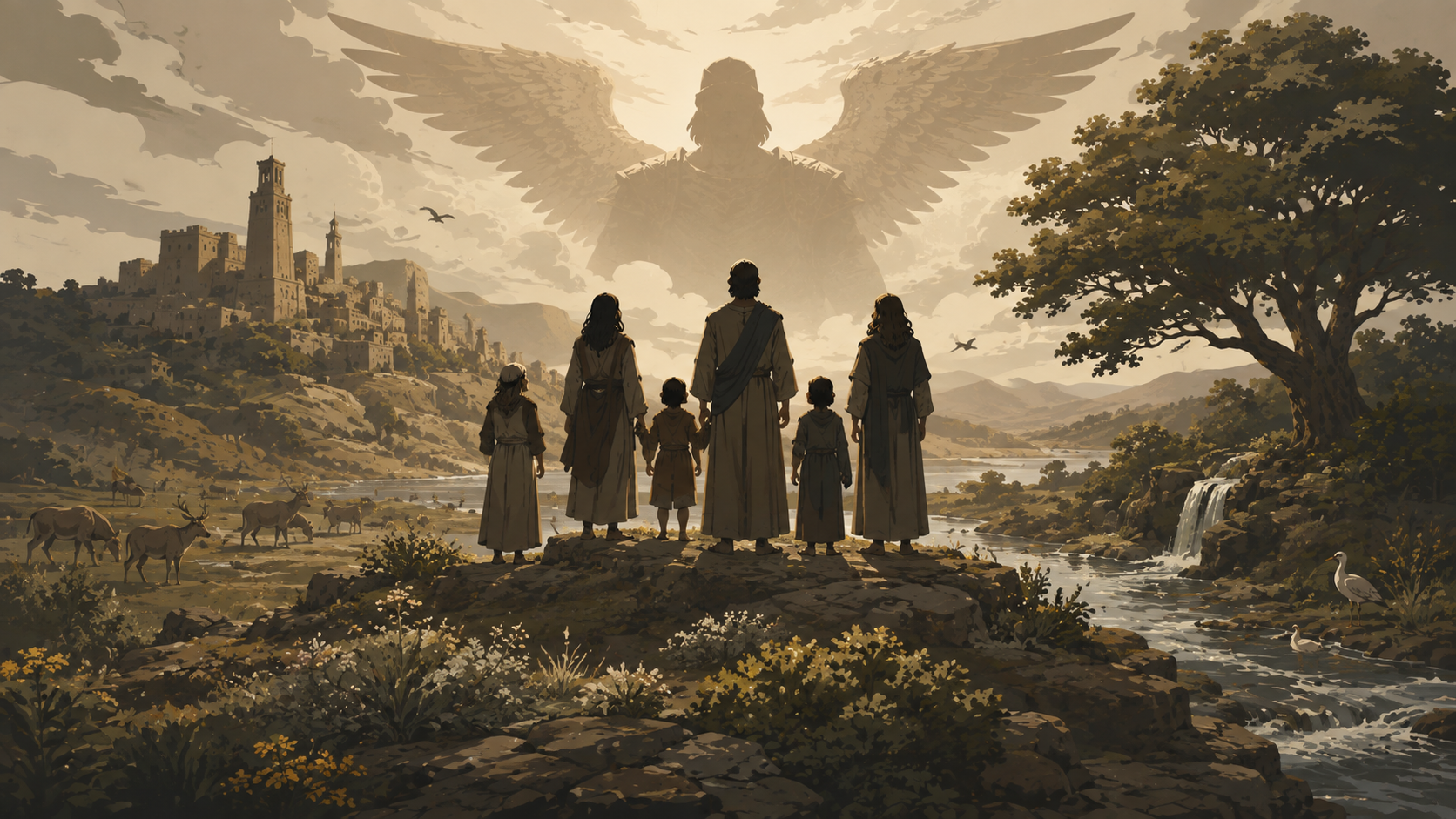
Why Does Paul Call Satan ‘the God of This Age’?
Paul calls Satan ‘the god of this age’ in 2 Corinthians 4:4. The title sounds almost dualistic until it is read within Paul’s monotheism, his theology of spiritual powers, and the supremacy of Christ.
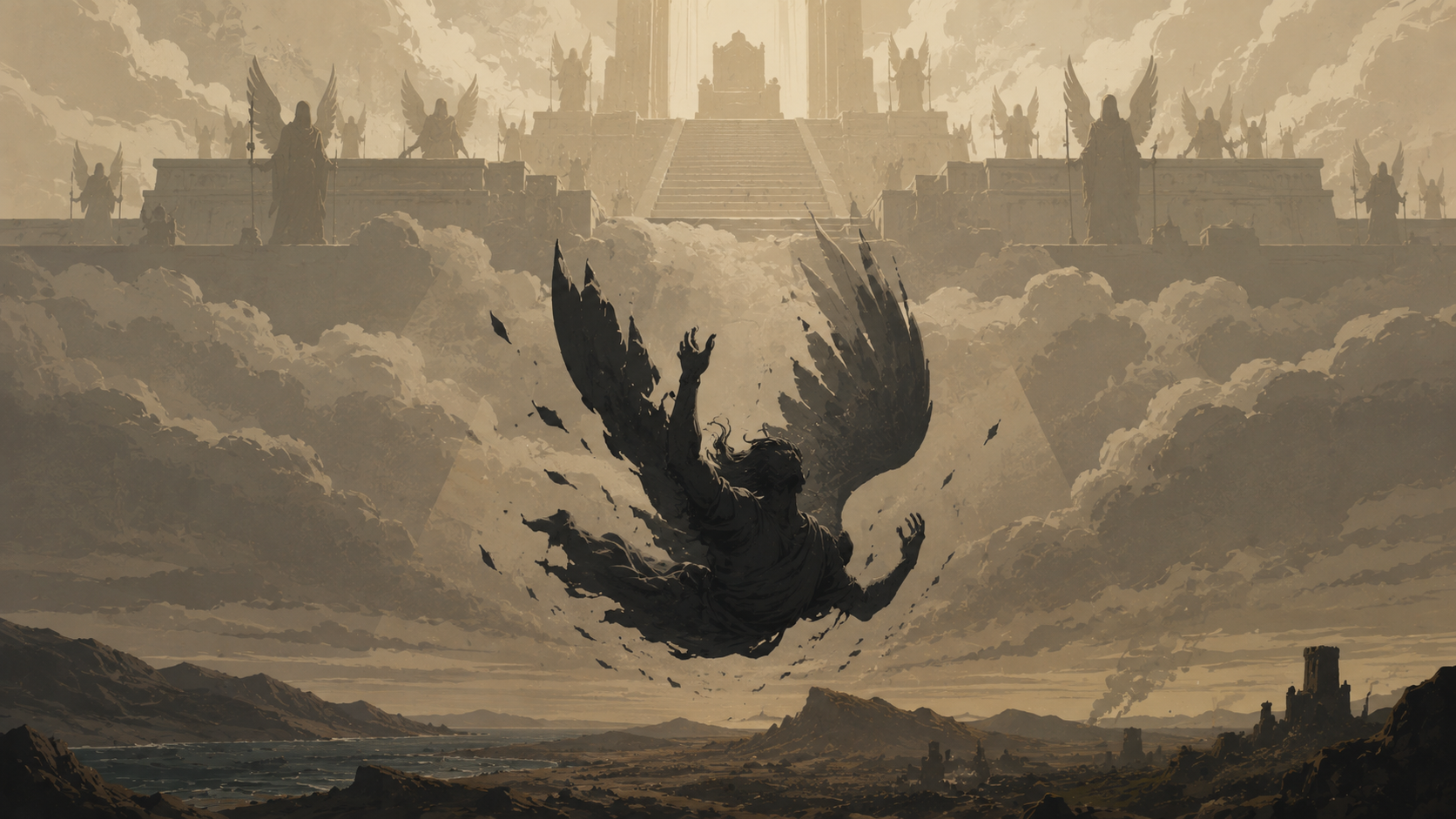
When Did Satan Fall From Heaven? What the Bible Reveals About the First Rebellion
Isaiah, Ezekiel, Jesus, and Revelation all describe a heavenly fall—but not necessarily the same moment. A careful biblical timeline distinguishes Satan’s original rebellion from later losses of authority and final judgment.
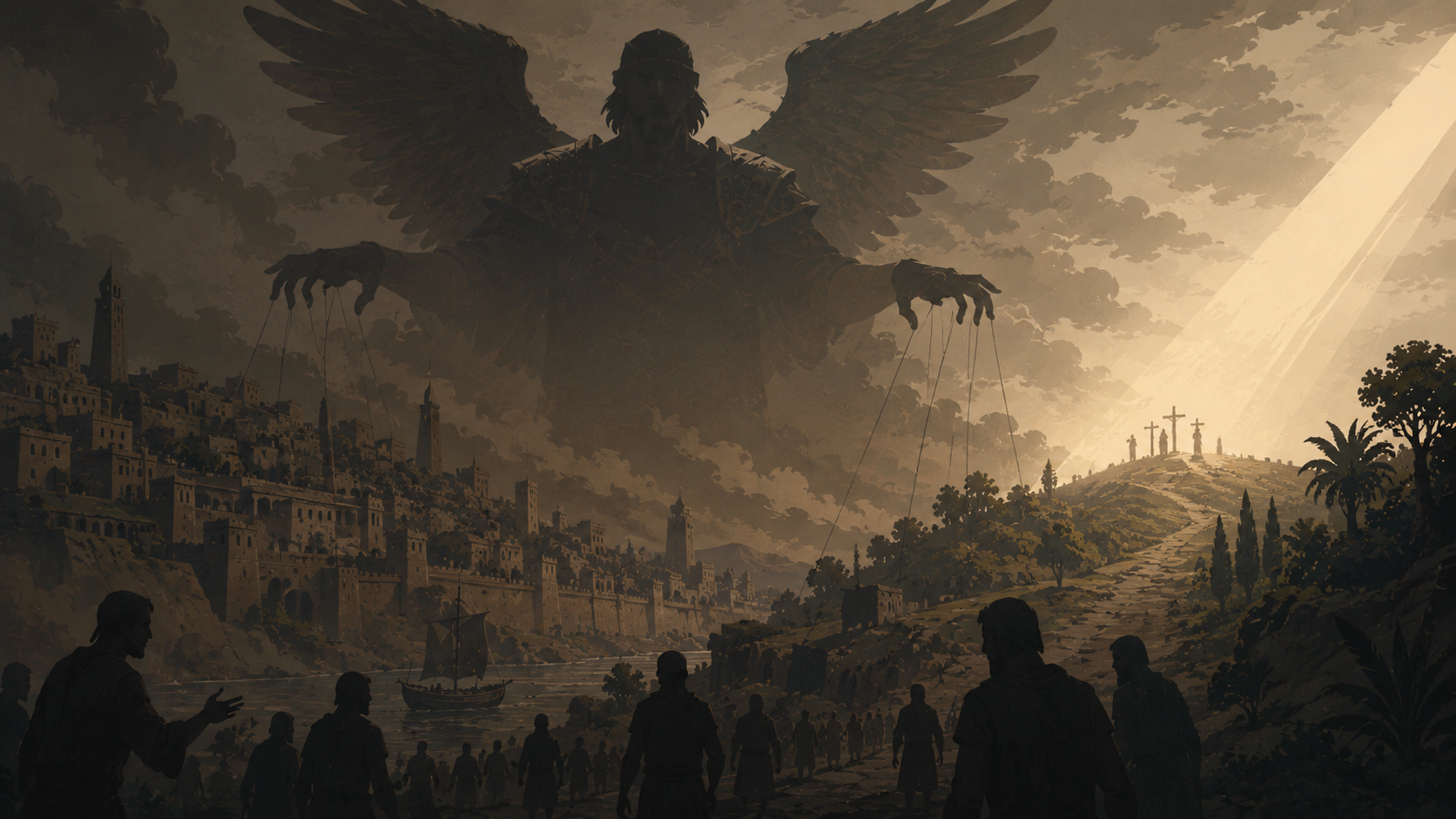
What Does ‘Prince of the Power of the Air’ Mean in Ephesians 2:2?
Paul says humanity once walked according to the ‘prince of the power of the air.’ The phrase sounds mysterious, but Ephesians itself explains the ruler, his sphere of influence, and Christ’s supremacy over him.
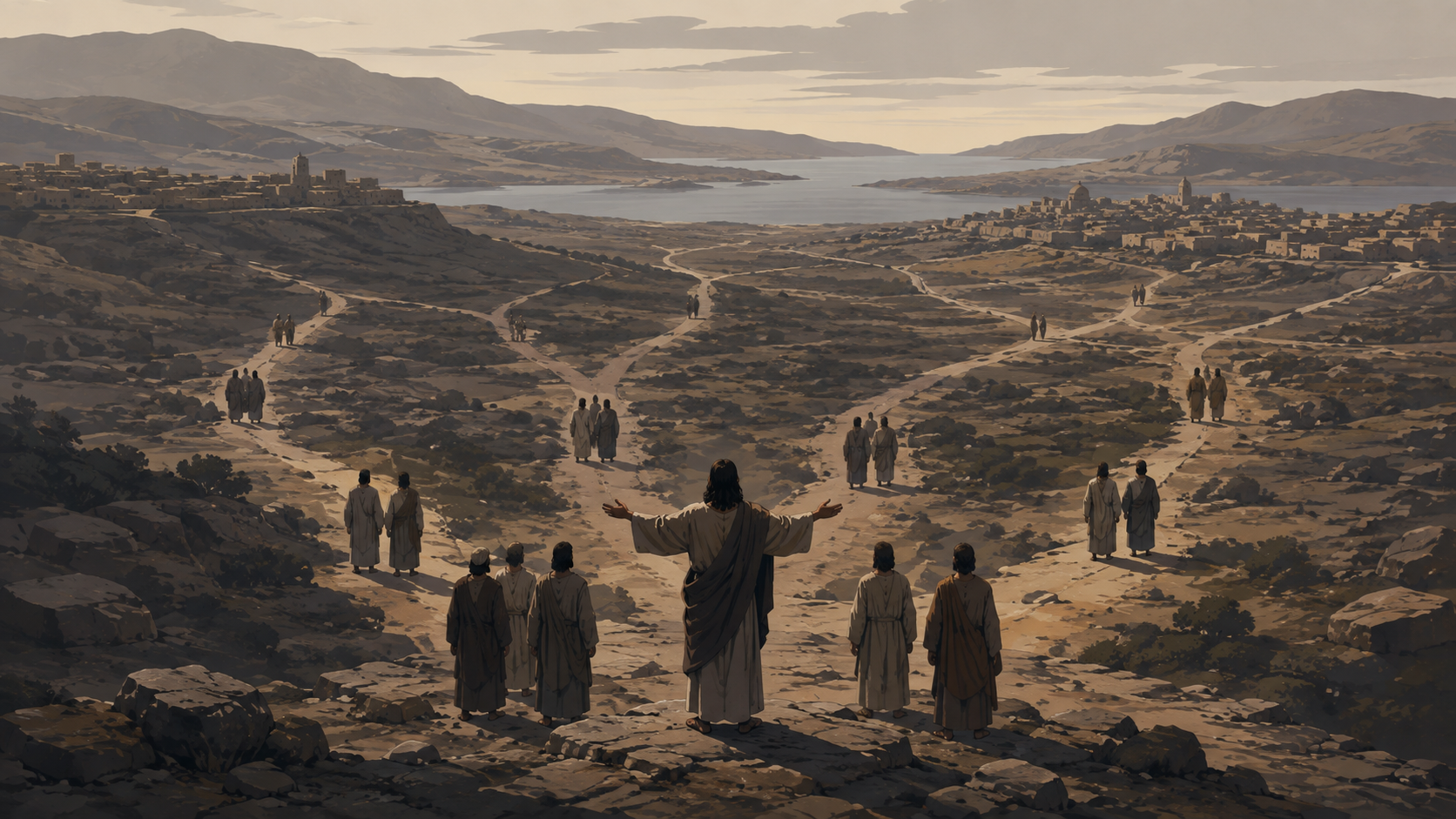
Why Did Jesus Send the Seventy? Luke 10 and the Reclaiming of the Nations
Why did Jesus send seventy disciples in Luke 10, and why does He immediately say He saw Satan fall like lightning when they return? The number, the demons, and the mission reach back to the nations divided after Babel.

Is Ezekiel 28 About Satan? The King of Tyre, Eden, and the Guardian Cherub
Ezekiel 28 begins with the ruler of Tyre, but the lament soon places its subject in Eden, on the holy mountain of God, as an anointed guardian cherub walking among the stones of fire. The passage opens a window into the first heavenly rebellion.