ROMAN HERITAGE PRESS RESOURCES
THE SUPERNATURAL BIBLE LIBRARY
Research-based articles and podcast exploring Scripture’s most difficult and overlooked passages through biblical theology, ancient context, and careful textual study.
Discover the connections between the divine council, the sons of God, the Watchers, the Nephilim, the gods of the nations, and the victory of Jesus Christ over the powers of darkness.
LATEST RESEARCH
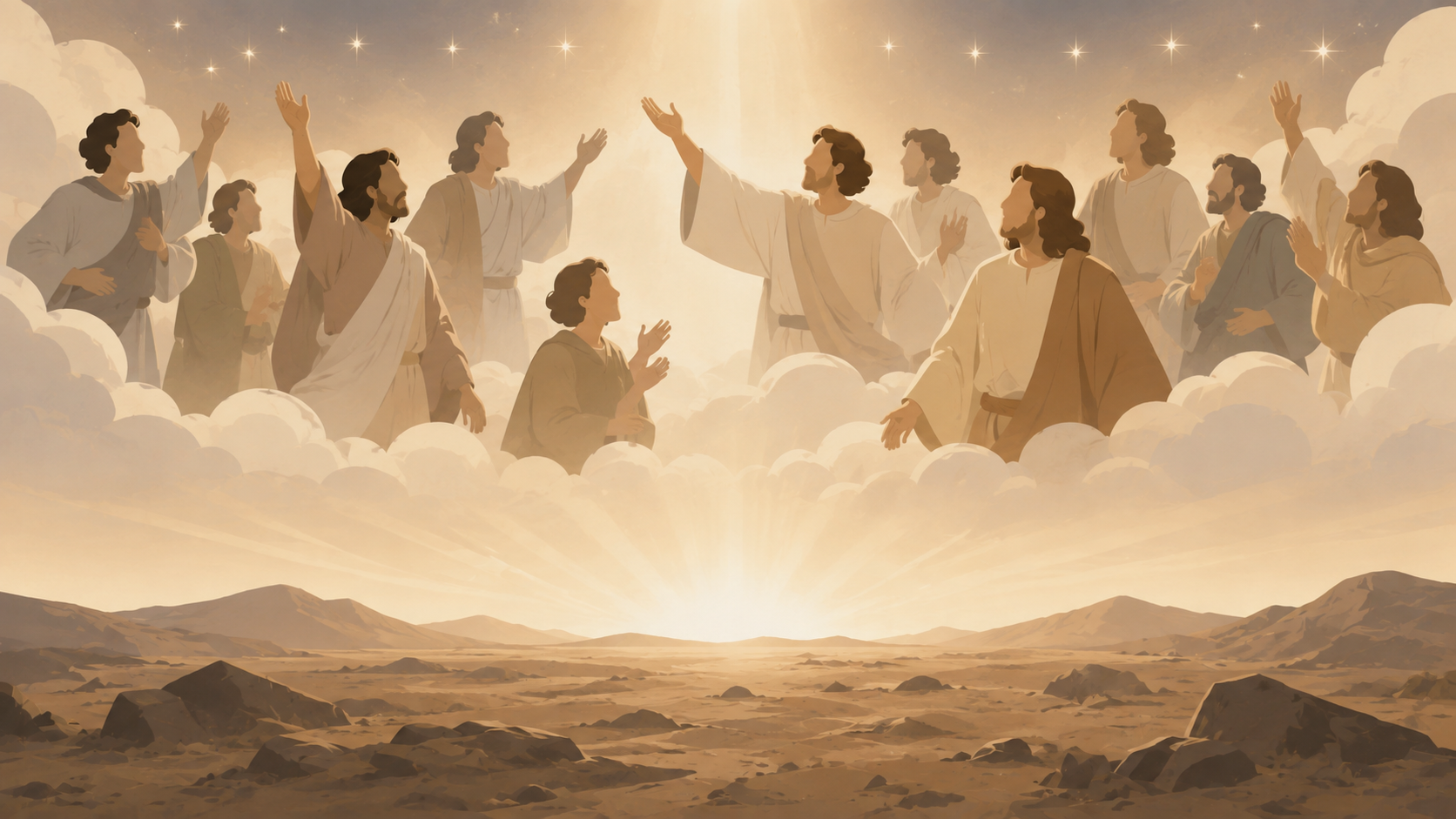
What Are the “Sons of God” in Job 38 Doing at Creation?
Job 38 says the “morning stars” sang and the “sons of God” shouted for joy when God laid the earth’s foundations. Who were these beings, and why does the passage matter?
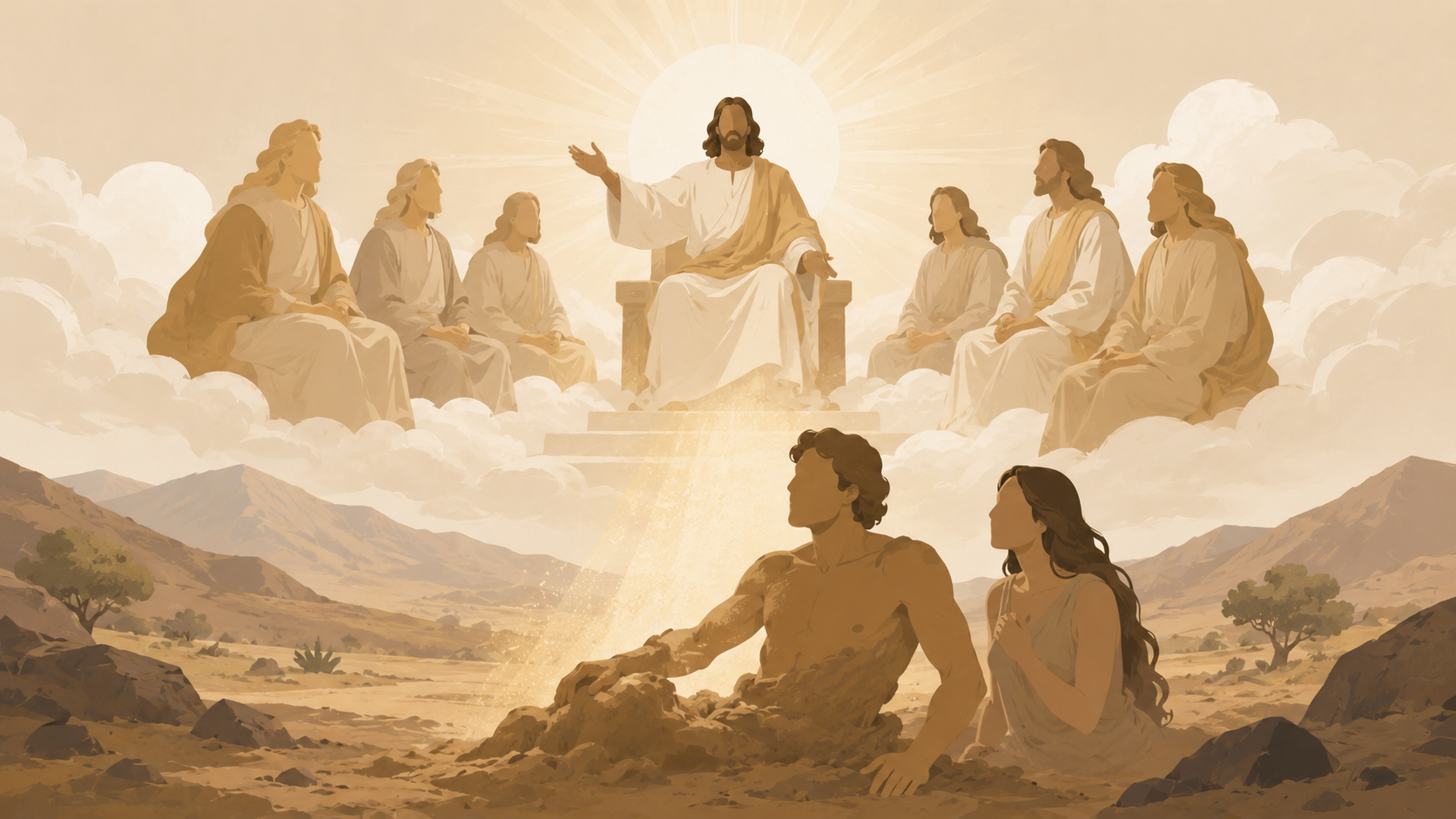
What Did God Mean by “Let Us Make Man in Our Image”?
Who is the “us” in Genesis 1:26? The verse has been read as a hint of the Trinity, a plural of majesty, and speech to a heavenly council. Which reading best fits the ancient context?
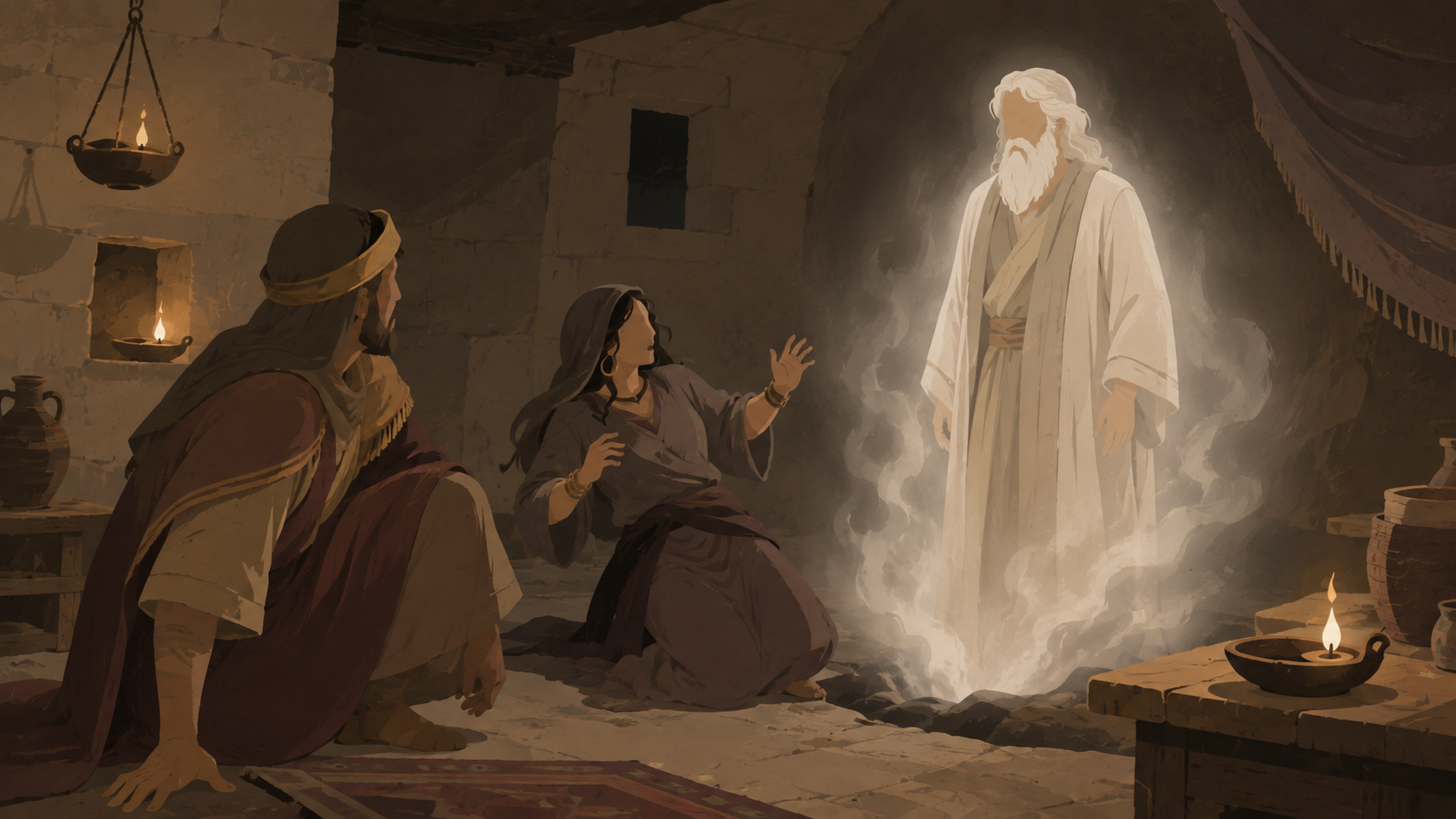
Why Is the Dead Samuel Called an Elohim?
In 1 Samuel 28:13, the medium of Endor says she sees an elohim coming up from the earth—and the figure is Samuel. Why would the Bible use that word for a dead prophet?
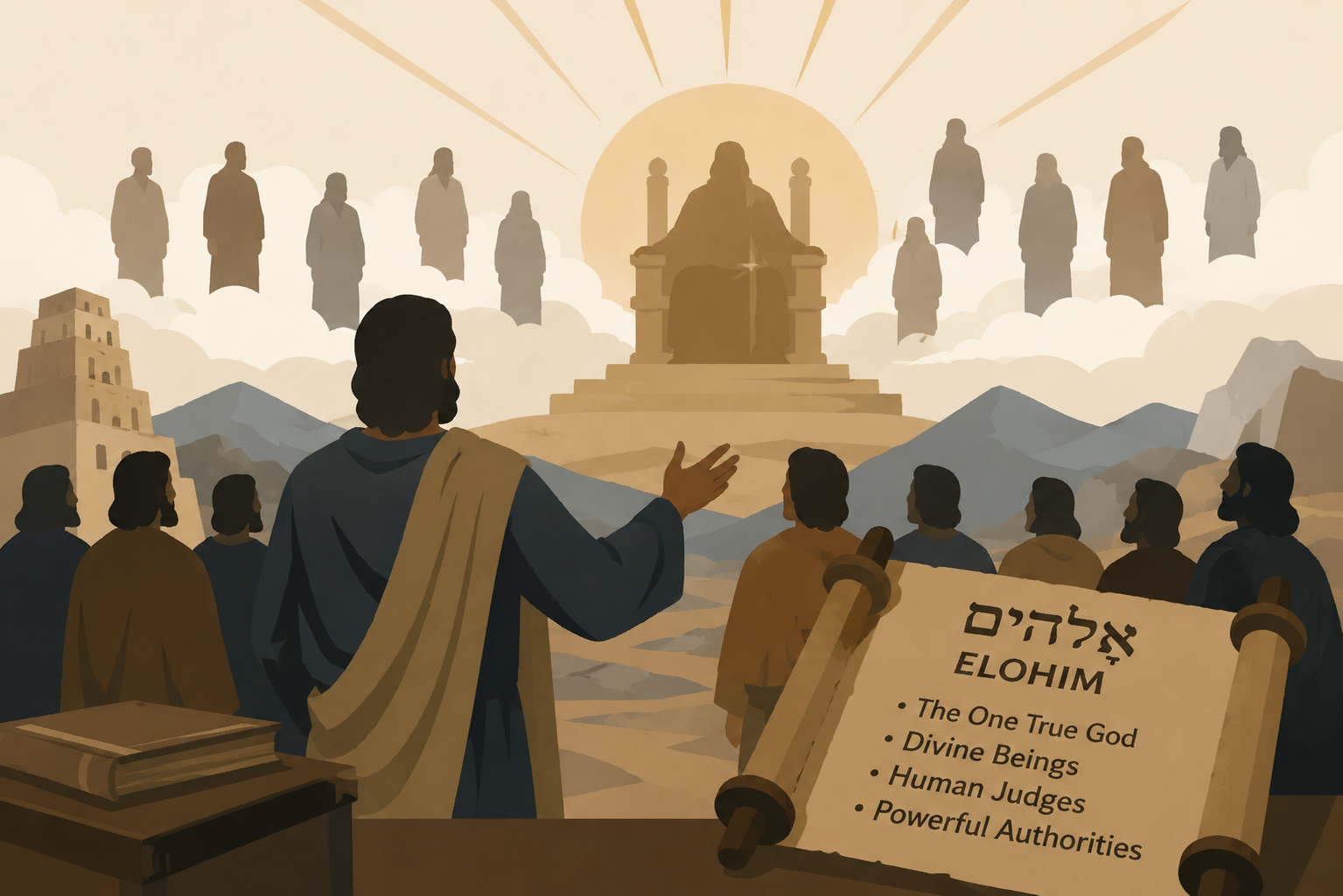
What Does “Elohim” Really Mean in the Bible?
The Hebrew word elohim is often translated “God,” but Scripture uses the same word in several surprising ways. What does the term actually mean, and why does its wider usage not threaten biblical monotheism?
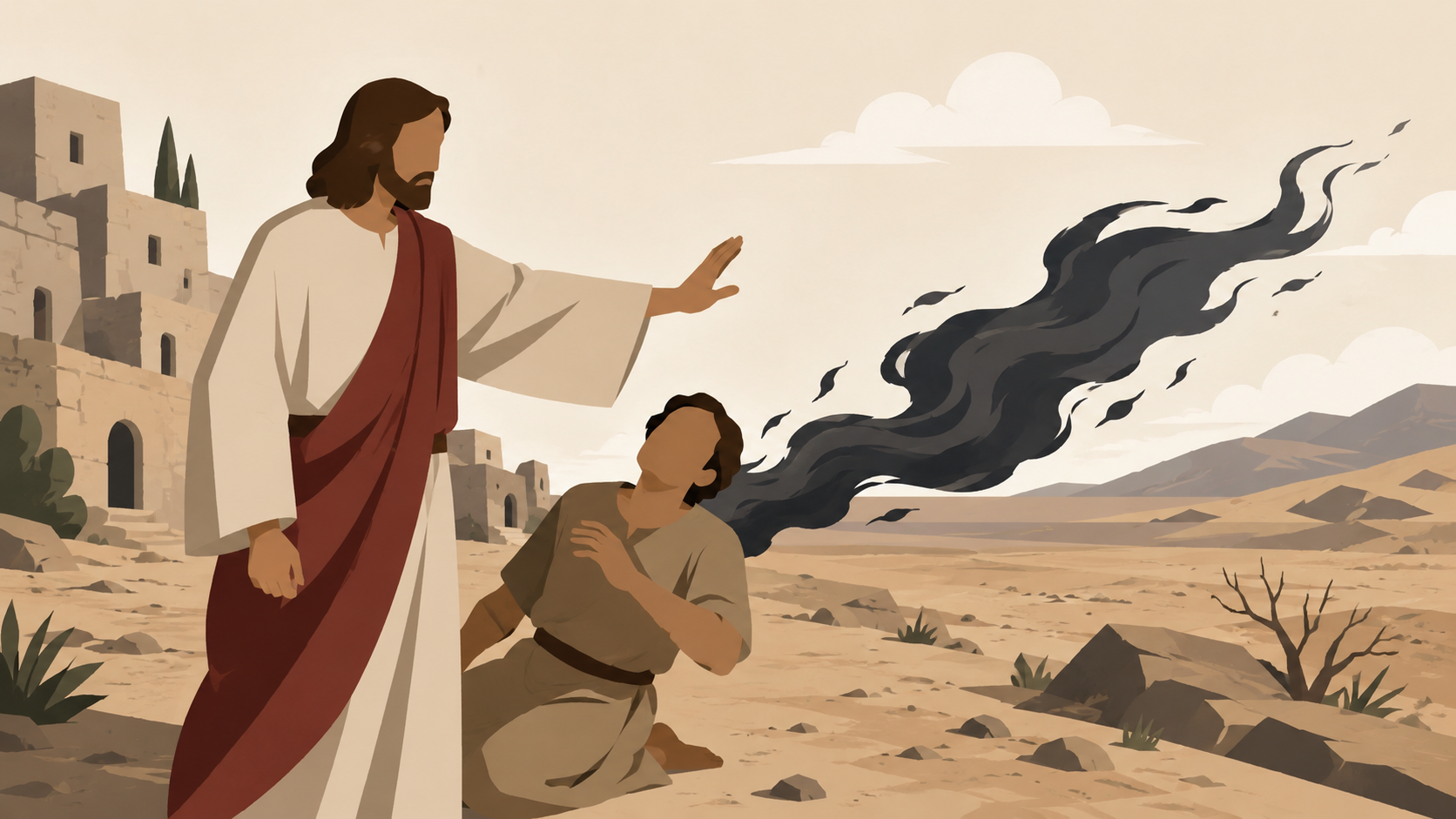
What Are Unclean Spirits in the Bible?
Jesus describes an “unclean spirit” wandering through waterless places, seeking rest, and returning to a human being it calls “my house.” What does “unclean” mean, and why does Jesus’ description sound strikingly similar to ancient Jewish traditions preserved in 1 Enoch?
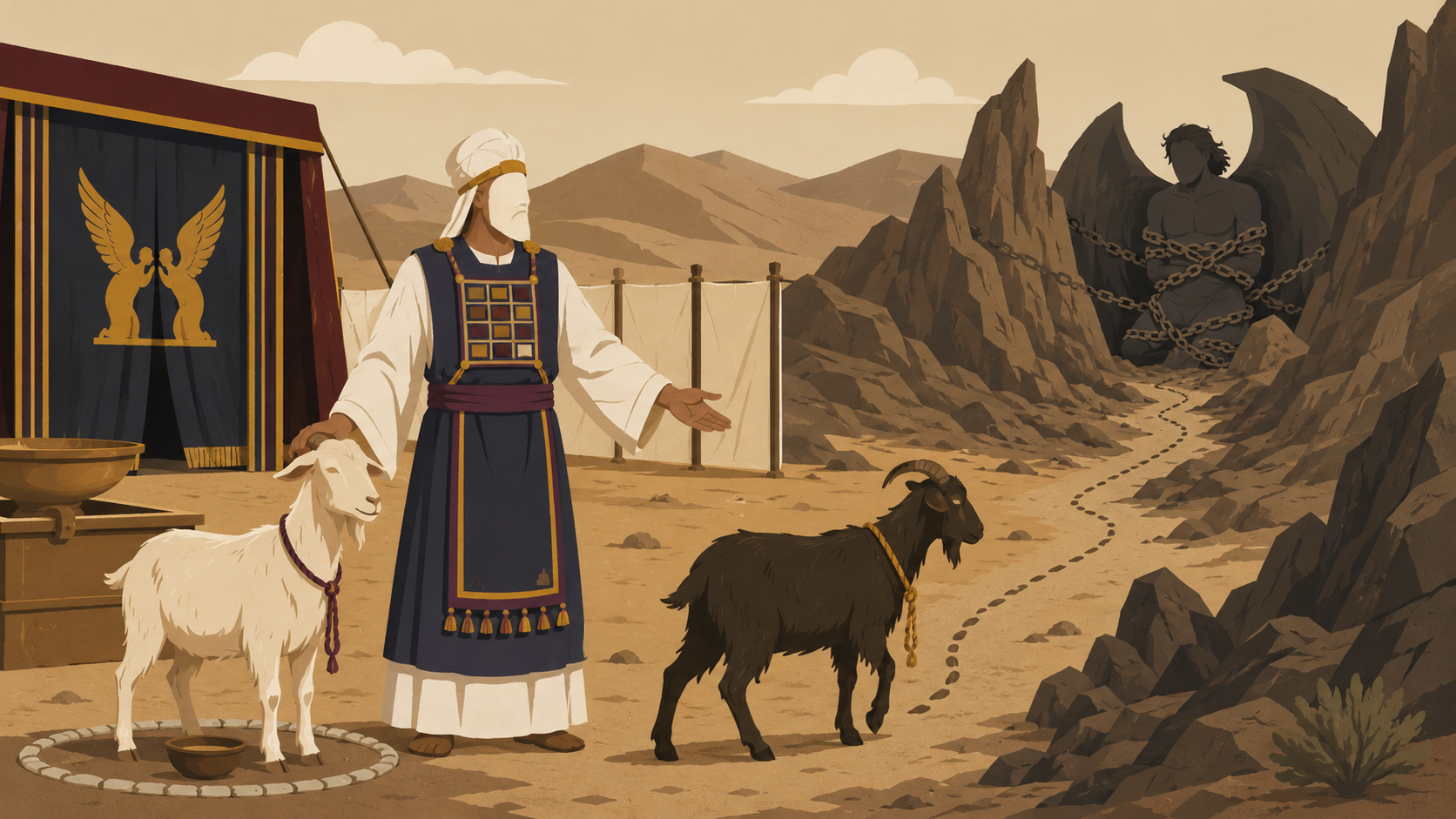
Who Is Azazel in Leviticus 16?
Who is Azazel in Leviticus 16? Explore the Hebrew behind “scapegoat,” the Day of Atonement, the wilderness, and Azazel in the ancient Enochic Watcher tradition.
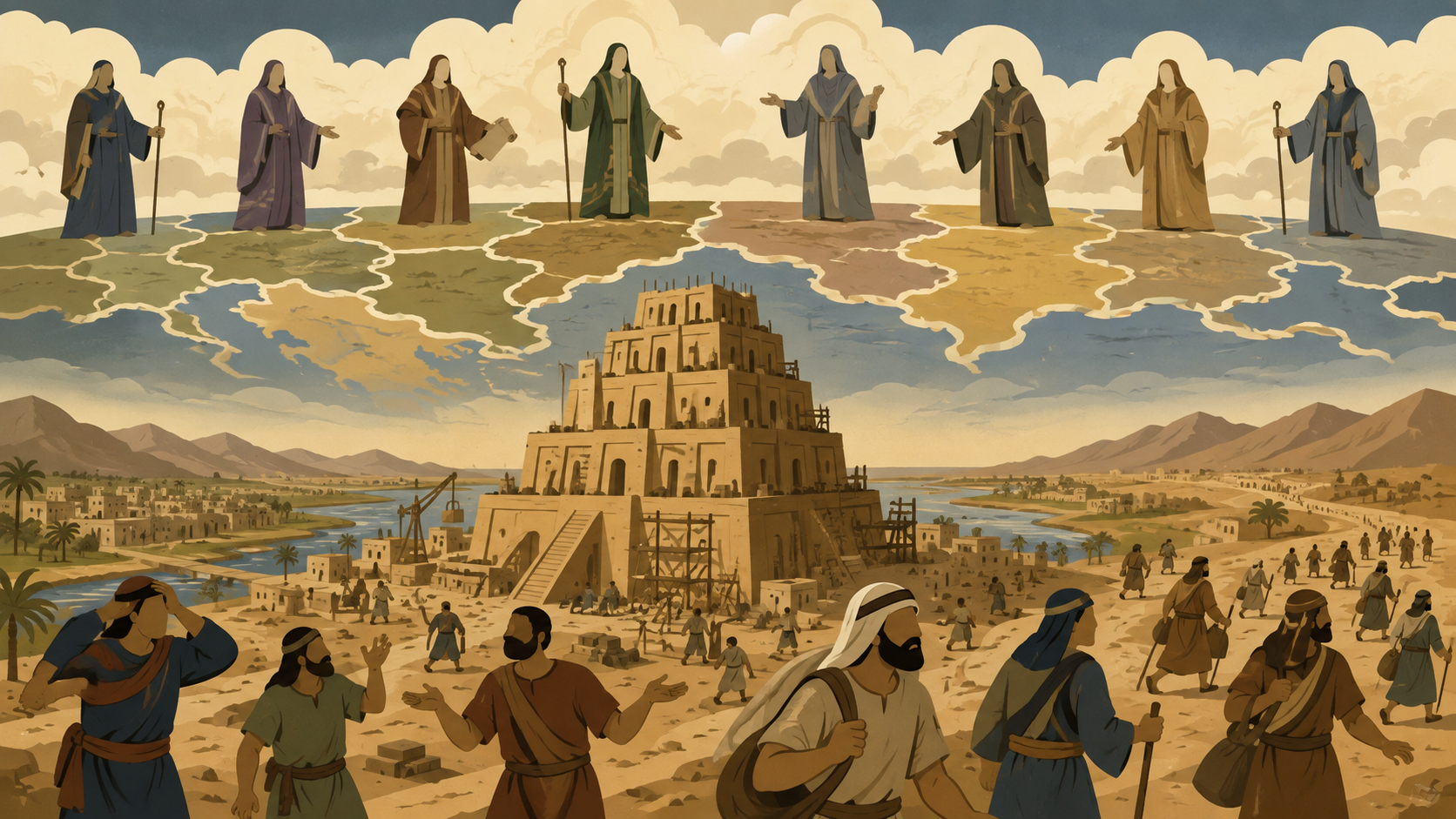
What Really Happened at Babel?
Genesis 11 tells how humanity was scattered at Babel. Deuteronomy 32:8 may reveal another dimension of that event. Why do ancient manuscripts read “sons of God,” and what does that reading tell us about the nations and the unseen realm?
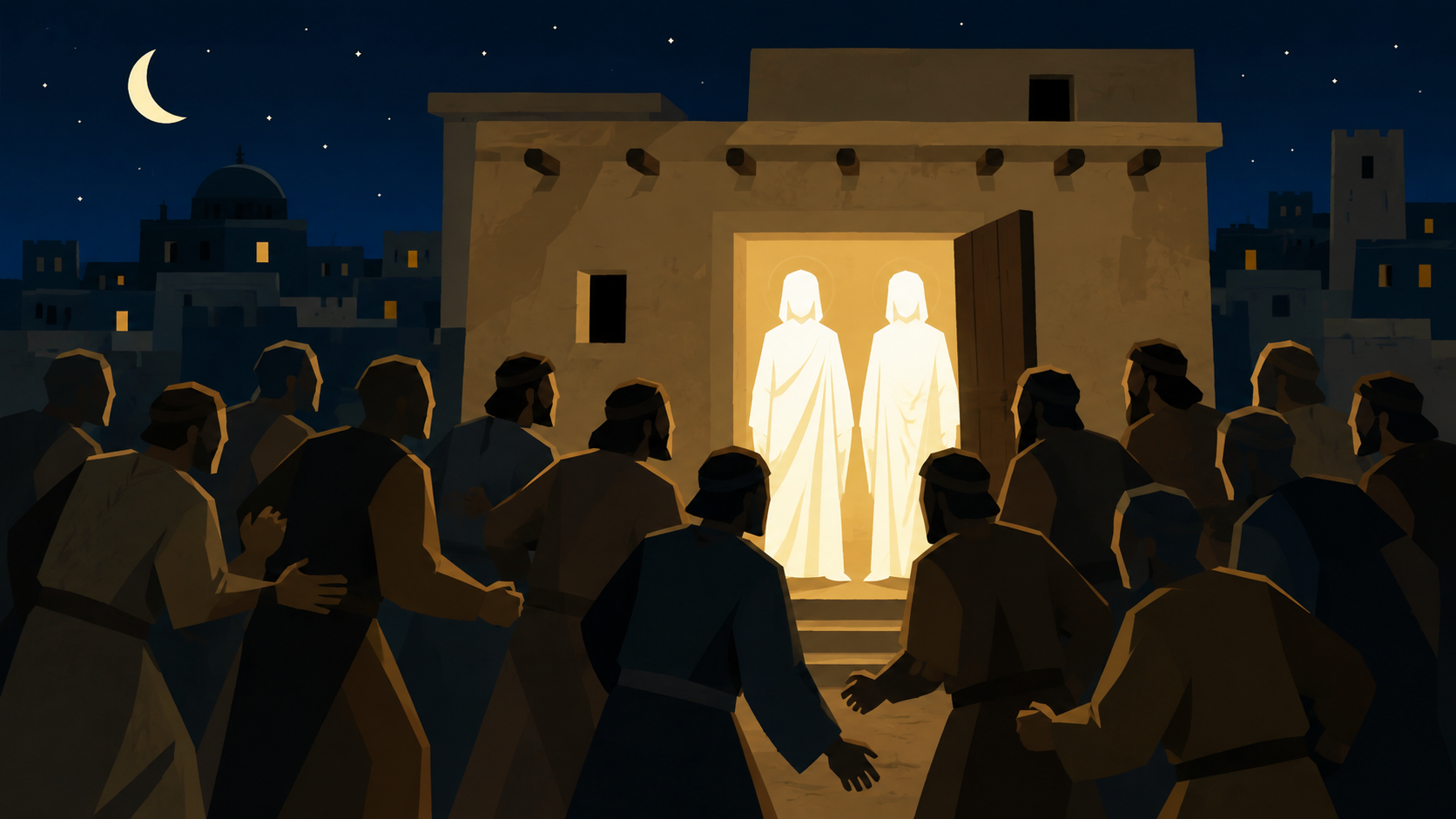
The Strange Connection Between Jude 6, Sodom, and the Angels
Jude 7 says Sodom and Gomorrah pursued “strange flesh” immediately after describing angels who abandoned their proper dwelling. What does the Greek phrase sarkos heteras mean, and why does Jude connect these two rebellions?
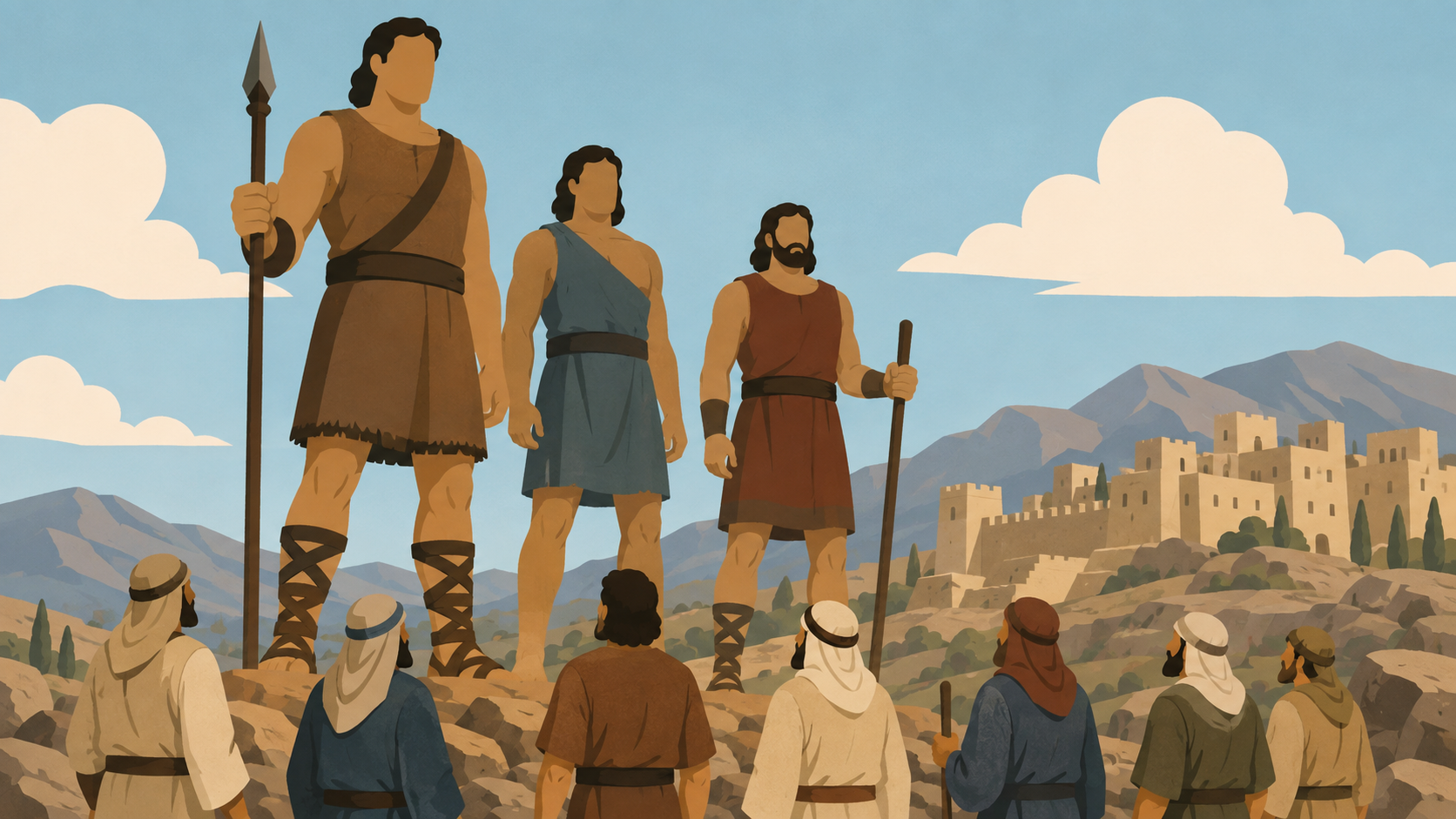
Who Were the Nephilim in the Bible?
Genesis 6 introduces the Nephilim in connection with the sons of God and the daughters of mankind, while Numbers 13:33 later links the same name to the sons of Anak in Canaan. Were the Nephilim simply tall warriors, or does the biblical evidence point to something more unusual?
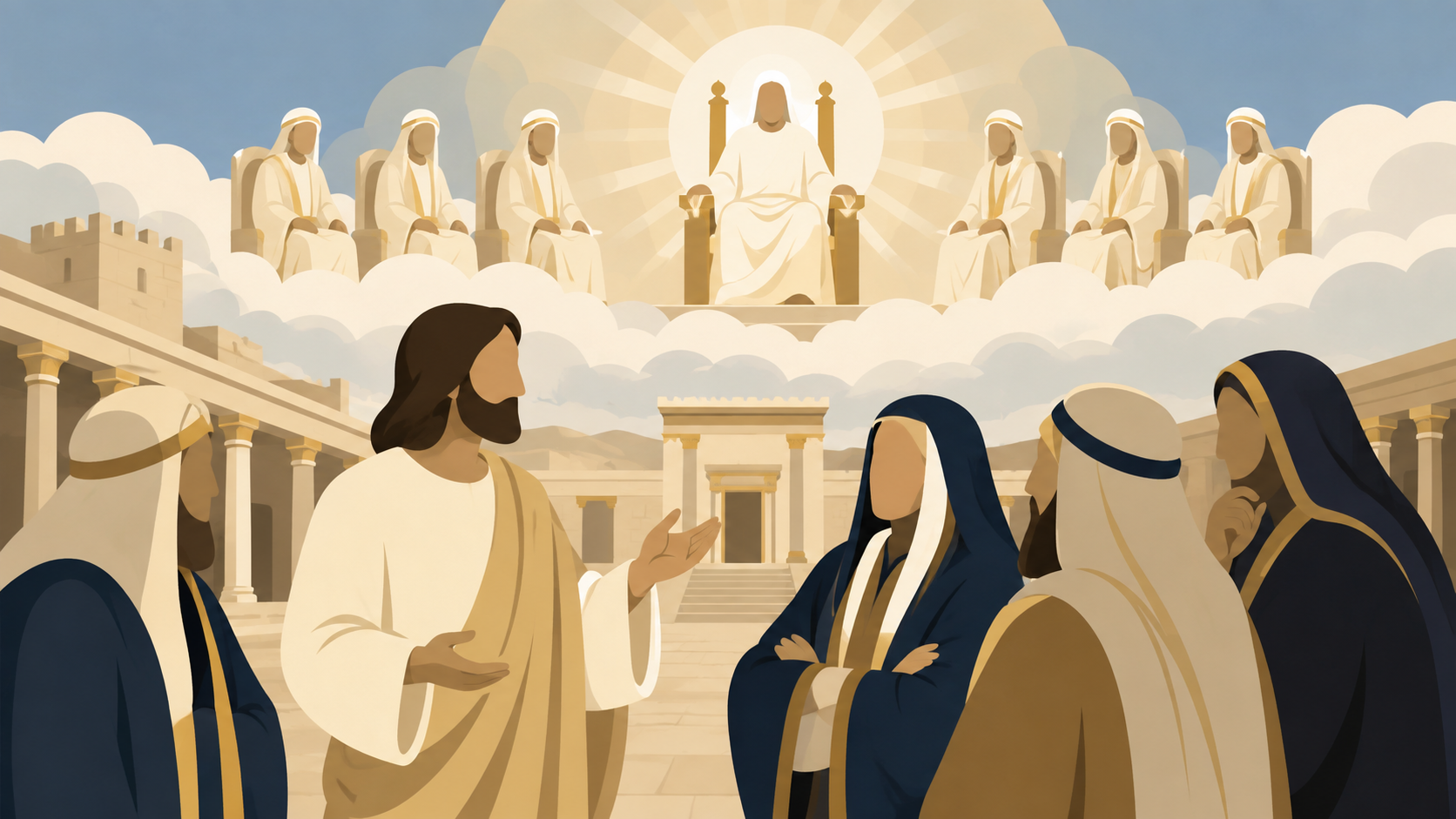
Why Did Jesus Say, ‘You Are Gods,’ in John 10:34?
When Jesus was accused of blasphemy in John 10, He answered by quoting Psalm 82: “I said, you are gods.” Who were the gods in that psalm, and why did Jesus choose that passage while defending His identity as the Son of God?
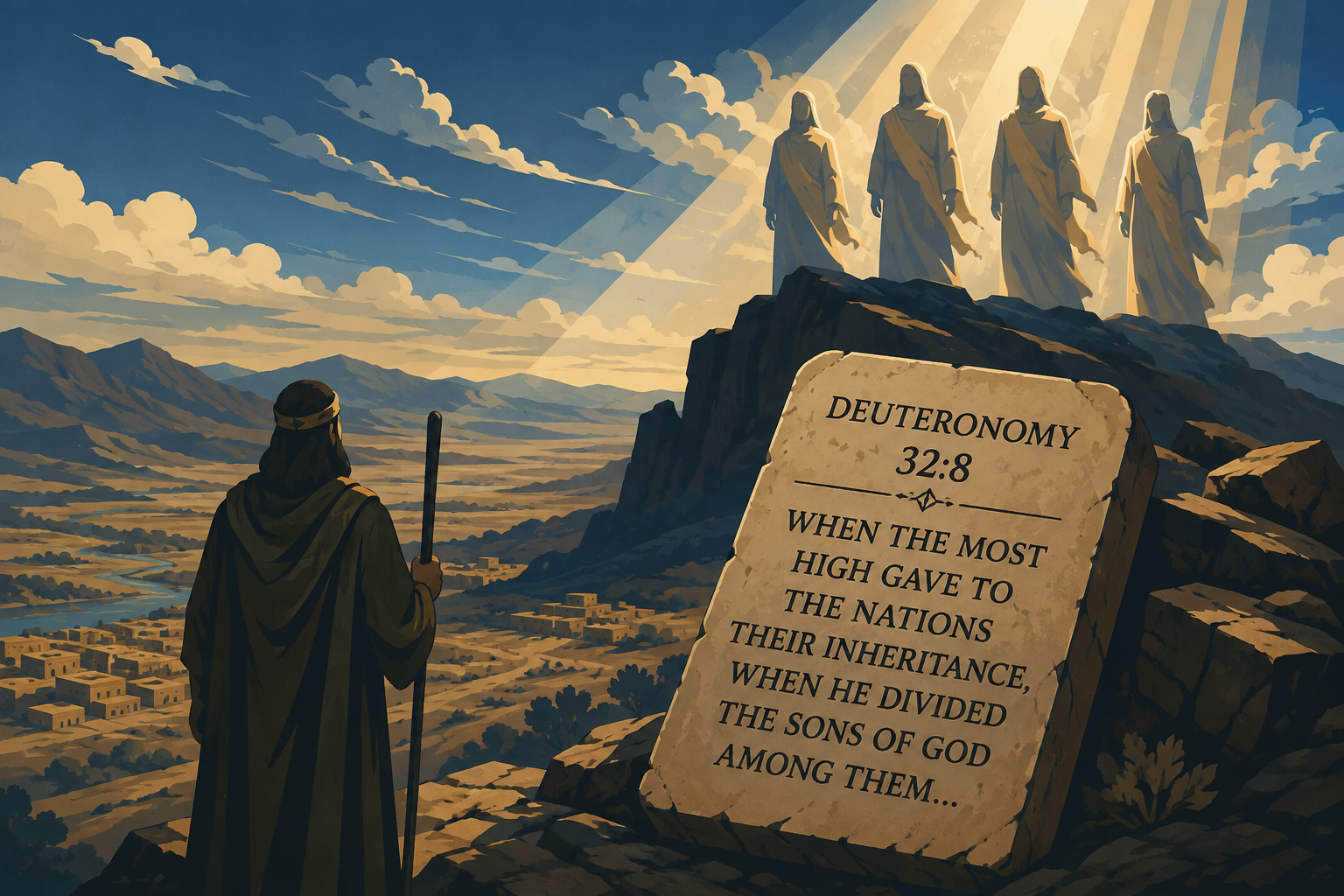
What Does Deuteronomy 32:8 Mean by “Sons of God”?
Some Bibles read “sons of Israel” in Deuteronomy 32:8, while others read “sons of God.” The difference reaches back to the Dead Sea Scrolls, the Septuagint, and the biblical story of the nations after Babel—and it opens a window into the supernatural worldview of Scripture.
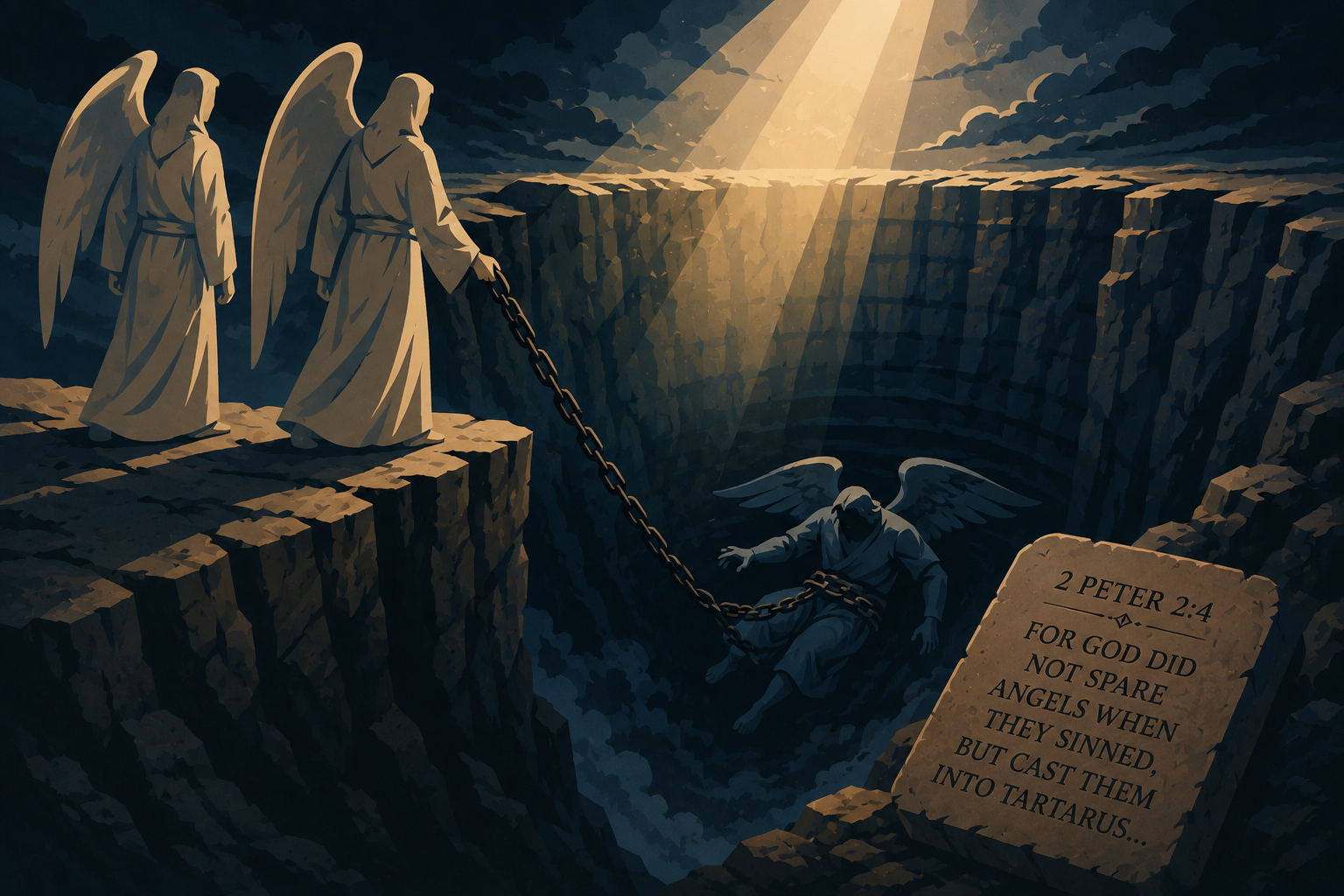
Why Did Peter Say Angels Were Cast Into Tartarus?
Second Peter 2:4 uses a Greek verb found nowhere else in the New Testament. Peter says that angels who sinned were cast into Tartarus and kept for judgment, then immediately turns to Noah and the ancient world. Why did he use that word, and what rebellion did he have in mind?
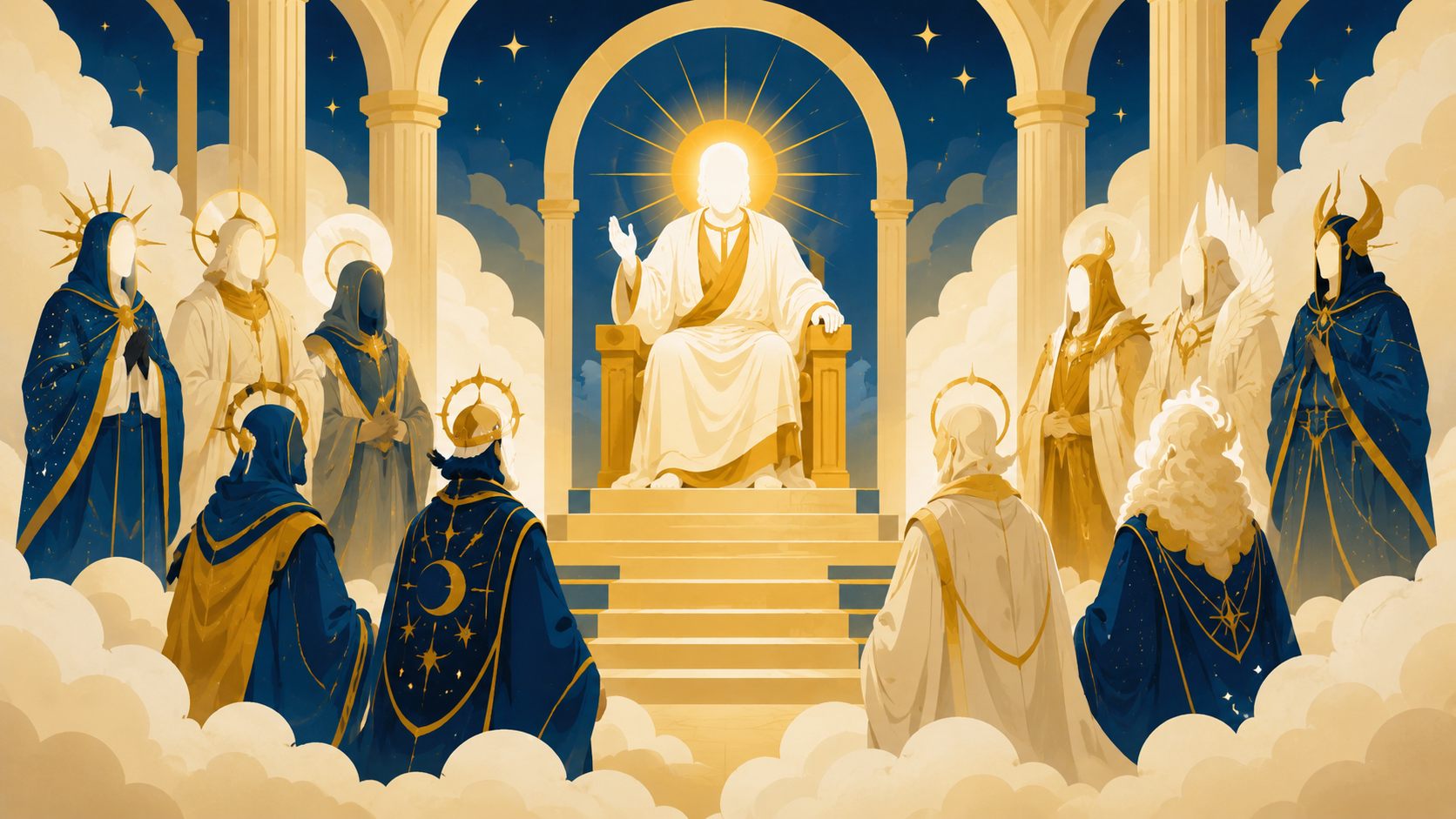
What is The Divine Council in The BIBLE?
The Bible repeatedly portrays God surrounded by a heavenly assembly of spiritual beings who worship Him, receive assignments, and serve beneath His authority. From Job and Psalm 89 to Micaiah’s throne-room vision and Psalm 82, these passages reveal the biblical divine council.
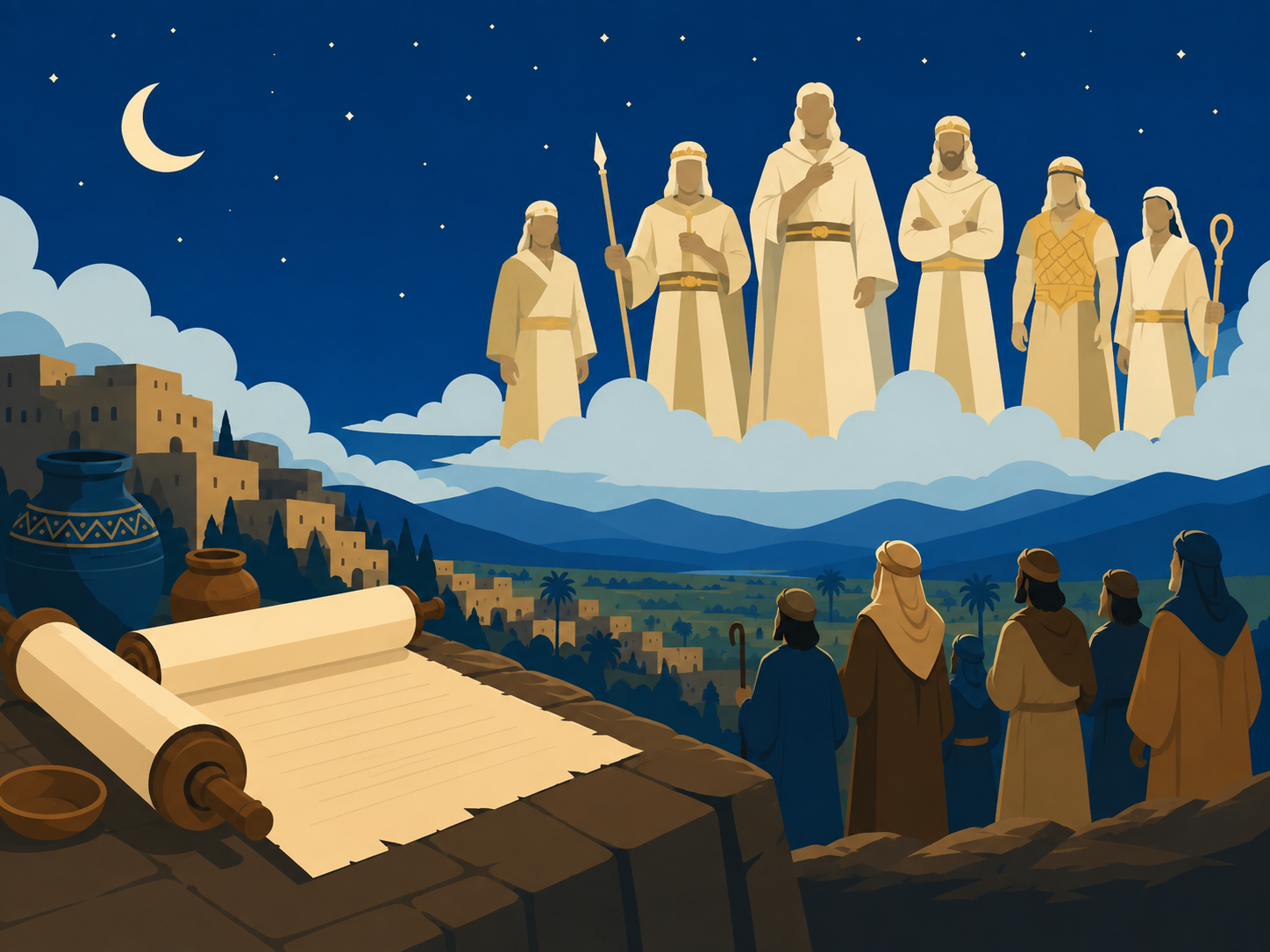
Who Are the Sons of God in Genesis 6?
Genesis 6 introduces mysterious beings called the “sons of God” immediately before the appearance of the Nephilim and the judgment of the Flood. Who were they? The answer begins by examining how the Old Testament itself uses the same title.